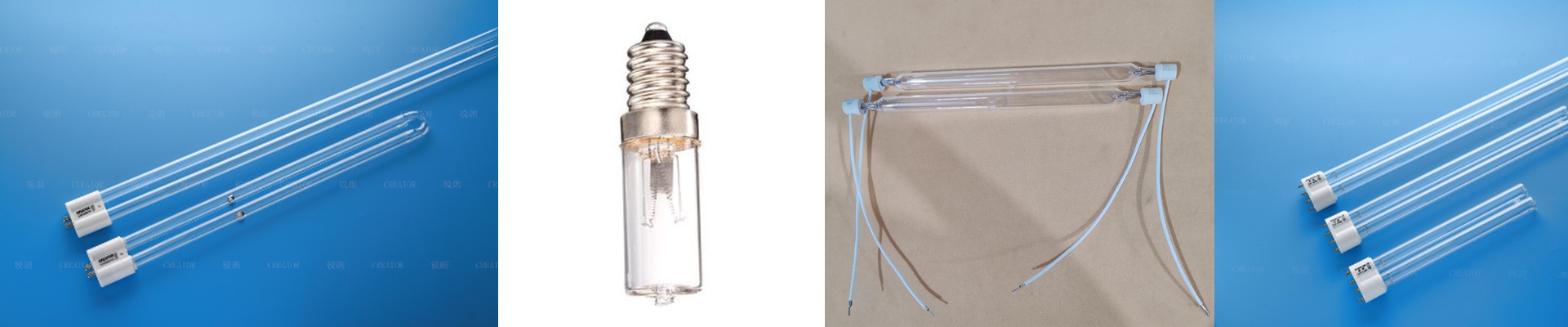

Why You Can’t Just Buy the Cheapest UV Lamps
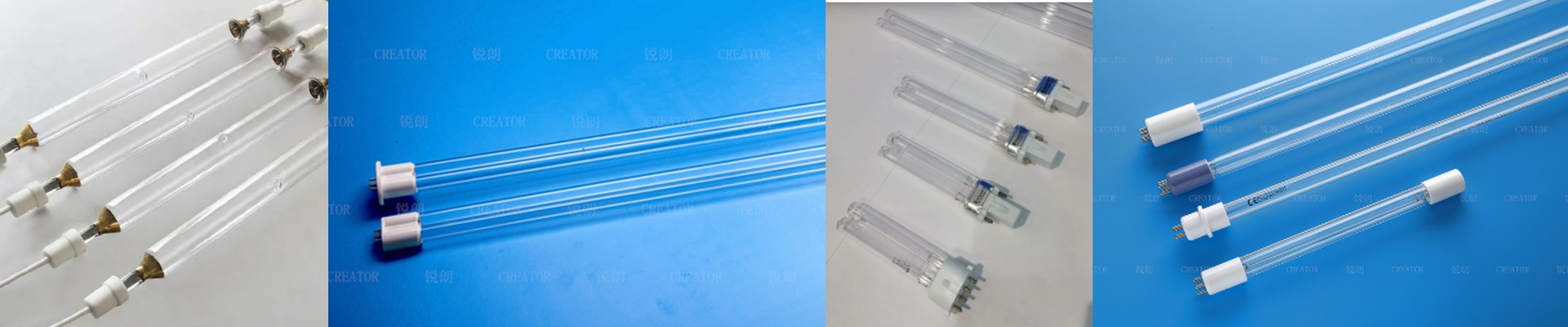
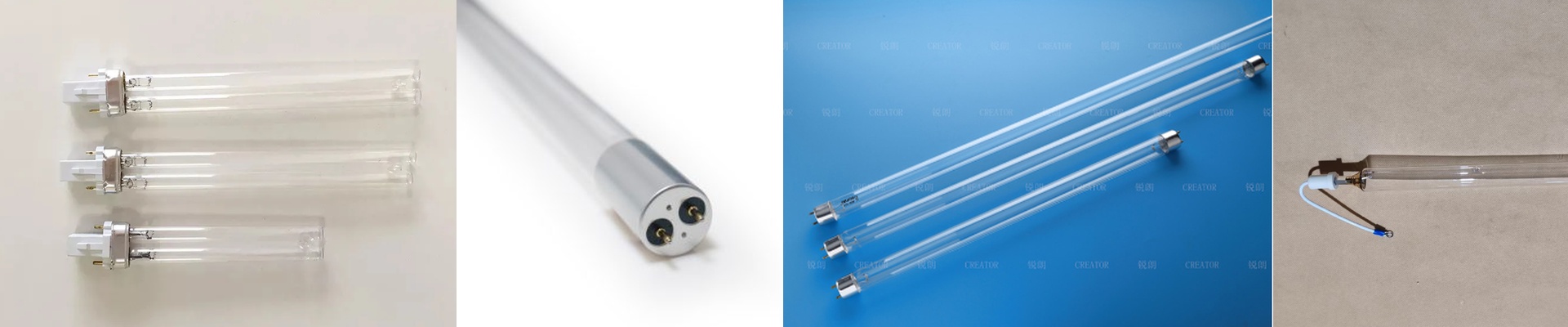
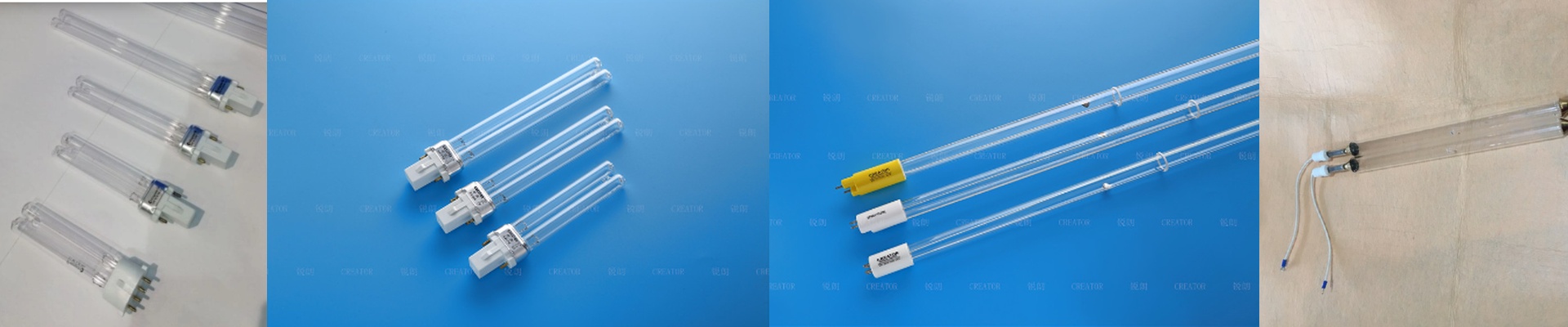
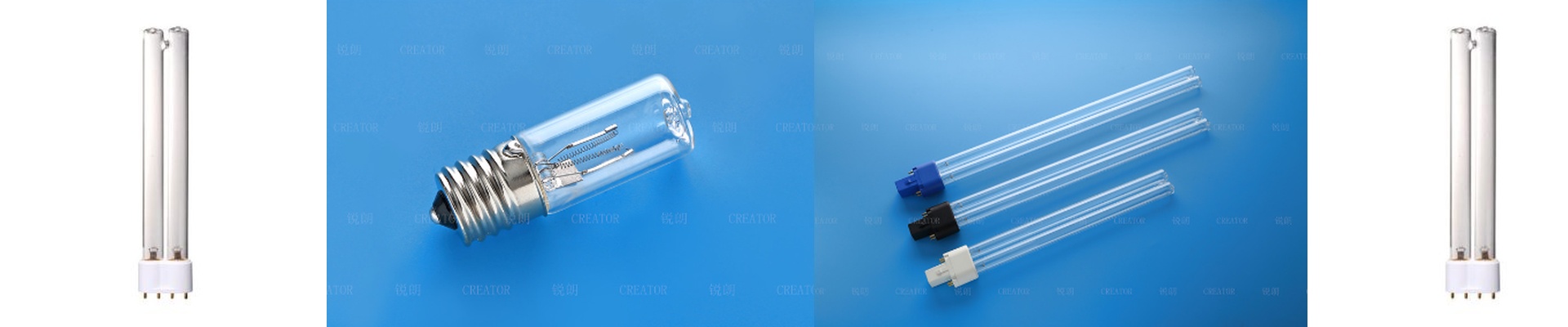
When you’re ordering industrial mercury UV bulbs in bulk, it’s easy to think you’re just buying a glass tube filled with gas. But it’s a bit more complicated than that. You’re actually paying for a very specific light output—and the legal right to actually sell that gear without getting sued. I see it all the time. Buyers ignore the “boring” stuff, like who owns the patent on the electrode design or how the quartz is treated. Big mistake. The customs nightmare Here is the thing about generic bulbs: a lot of them are just copies. No license, no permission, just a clone. That sounds like a bargain until your shipment hits customs. If a competitor owns the patent on how that bulb stabilizes its arc or how the end-cap is sealed, customs can seize your entire order. Just like that, your supply chain is frozen and you’re staring at a legal mess. Working with a supplier who actually owns their patents means your product is “clean.” You can ship it across borders and sleep soundly knowing no one is going to slap a lawsuit on your desk. The guts of the lamp Getting a mercury arc to behave is a balancing act of pressure and heat. It’s finicky. We spend a lot of time obsessing over the geometry of the electrodes. Why? Because if the design is sloppy, the electrode pits and degrades. You’ll start seeing the lamp flicker, and it’ll burn out way before it’s supposed to. We use specific alloys that can take the heat. It’s the difference between a bulb that lasts and one that quits on you right in the middle of a big run. Precision vs. the “Deal” Yeah, engineered, patented bulbs cost more. You’re paying for the R&D and the peace of mind. But look at the results. These lamps give you a steady, consistent output across the whole tube. Cheap bulbs? They often have “cold spots.” Some parts of the tube just aren’t as strong, which means your curing or sterilization ends up patchy. If your work has to be perfect, you can’t gamble on a random batch of generics. Stick with a supplier who can actually show you the patent paperwork. It’s the only way to know you’re getting what you paid for.