Why We Use 120W/cm Mercury UV Lamps in Textiles
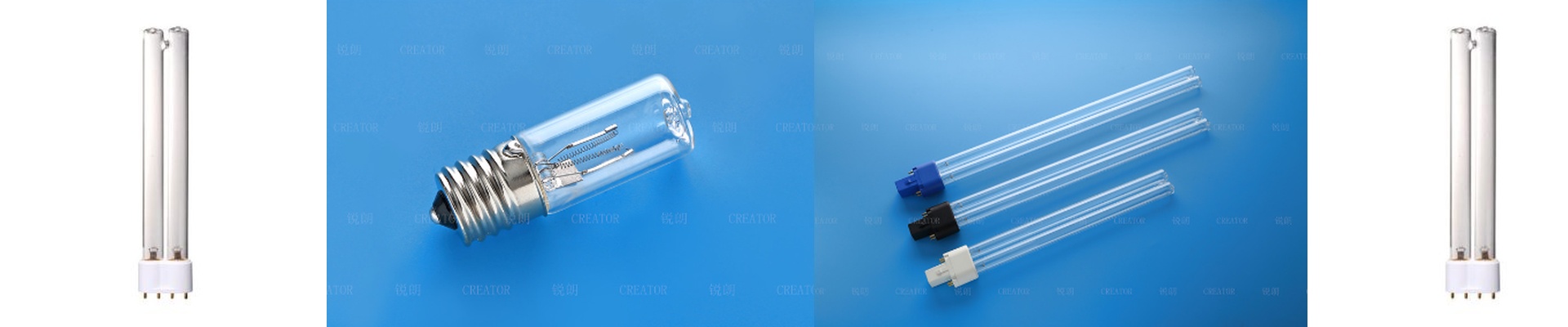
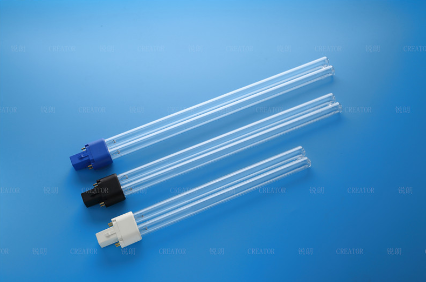
Most people think UV curing is just a final touch before a garment hits the box. But in reality? We’re using these 120W/cm mercury lamps all over the place. They’re the secret to locking in dyes, setting functional coatings, and making sure prints actually stay put. Basically, these lamps take electricity and turn it into short-wave UV light. That light hits the resins and inks, triggering a reaction that hardens everything instantly. The deal with power and light When we talk about a 120W/cm rating, we’re talking about intensity. It’s all about making sure that UV dose actually sinks deep into the fabric fibers rather than just sitting on the surface. Mercury vapor lamps are the go-to here. They hit those specific 254nm and 365nm peaks that most industrial photoinitiators crave. If you try to skimp on the wattage, you’re asking for trouble. You’ll end up with “under-cured” fabric, which is just a fancy way of saying the ink might smudge or migrate across the cloth. Nobody wants that. Dealing with the heat Here’s the thing: these lamps get incredibly hot. Like, “melt-your-fingers” hot. The quartz glass has to be tough enough to expand and contract without snapping. We’ve balanced the 120W/cm setup to give you the power you need without overheating everything. But you can’t just plug them in and walk away. You need forced-air cooling or water-cooled jackets. If your cooling isn’t up to scratch, you’ll end up warping your materials or, worse, burning a hole right through the fabric. Where they actually fit in You’ll usually see these lamps popping up in three spots: First, duringpre-treatment, to set the primer for specialty coatings. Then, duringprinting, to dry those thick, high-viscosity inks on synthetics almost instantly. And finally, infinishing, to cure things like waterproof or flame-retardant chemicals. The best part? A 120W/cm lamp is usually a simple drop-in replacement for standard UV conveyors. You don’t have to tear apart your shielding or mess with your reflectors just to swap out a dead tube. Just double-check that your ballast matches the lamp’s current. If they aren’t in sync, you’ll burn out the electrodes way faster than you should.