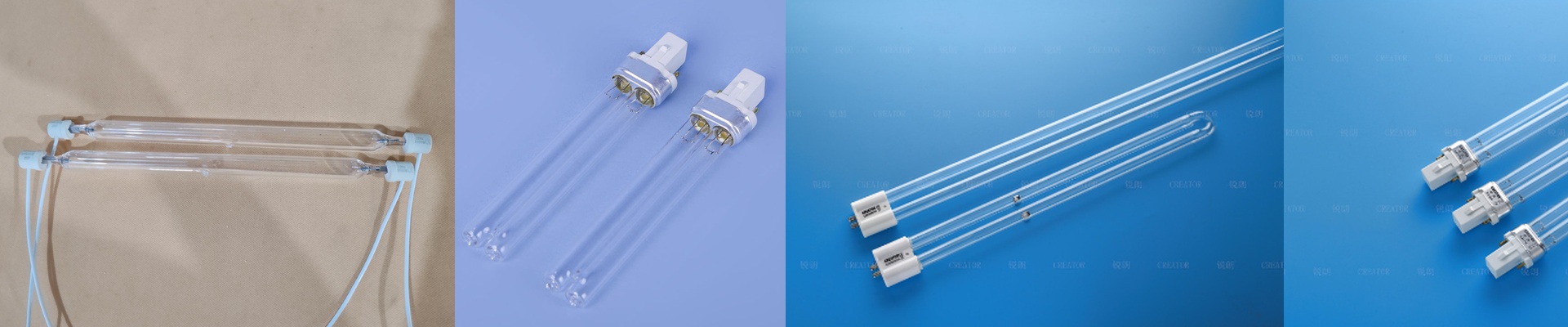
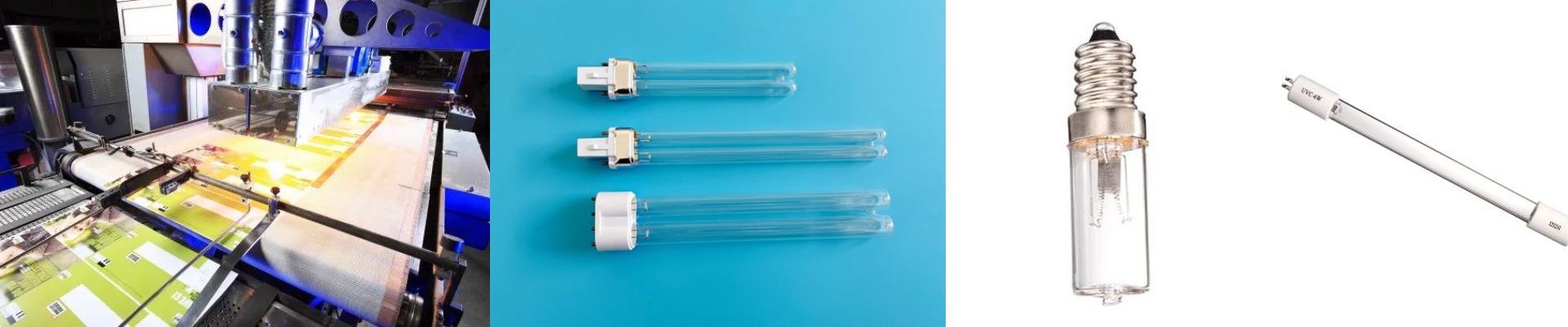
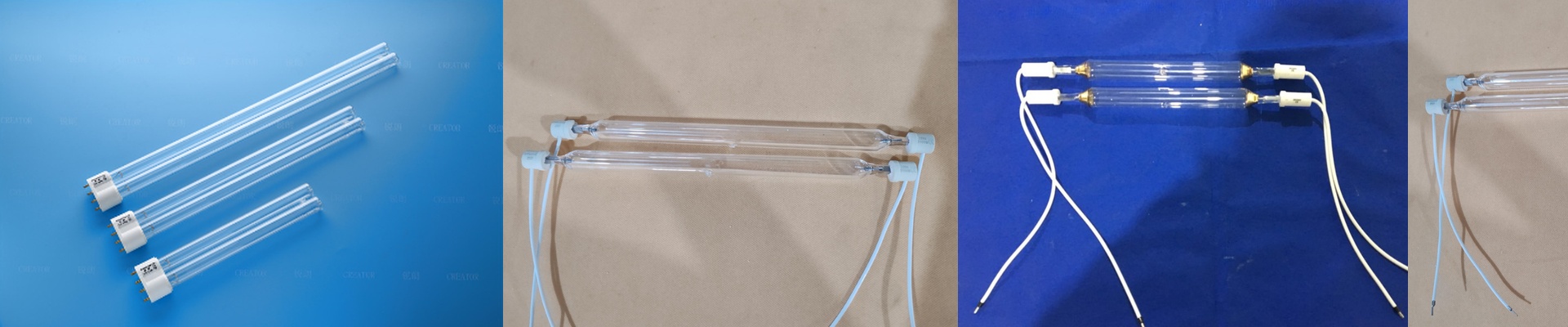
How Specialized UV Lamps Give Art-Tile Prints That Glass-Hard Finish
Here’s the thing about art-tile printing: you’re not just drying ink. You’re trying to lock in a glaze that feels tough—like it could take a beating and still look good. That’s exactly why we build our UV lamps for industrial finishing lines. They’re not one-size-fits-all. They’re tuned for high-intensity output and steady wavelength control, so the resin cures all the way through. No tacky surface left behind.
Power, Voltage, and Size—Kept Simple
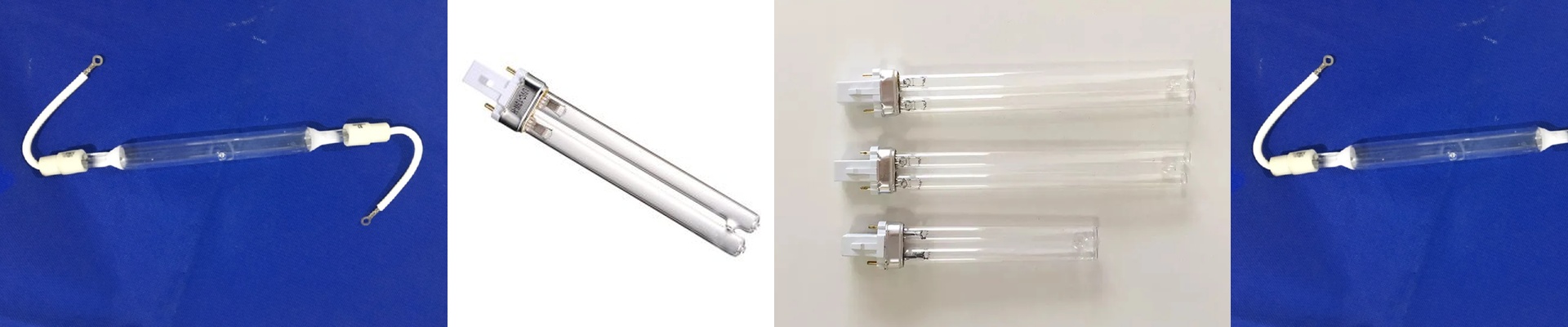
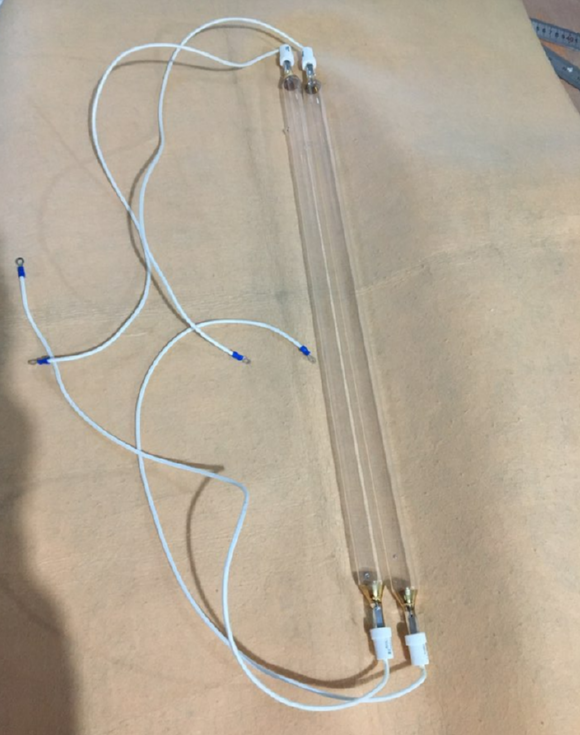
At the heart of it, the specs are pretty straightforward: pack serious power into a compact footprint. We match lamp power to your line speed and ink thickness, so the energy hitting each square centimeter stays consistent. High voltage helps the lamp fire up reliably and keeps the arc steady inside the tube—so output stays stable shift after shift. And the tube length? It’s chosen to match the curing zone width. That keeps the beam focused where it needs to be, so you’re not wasting energy. Take the 400V 2500W setup, for example. It concentrates serious heat at the quartz envelope. You get fast curing, sure, but your machine has to be ready for the heat. That’s why the cooling and reflector design matter. Get them right, and the lamp stays cool enough to run for the long haul.
The Materials That Make It Work
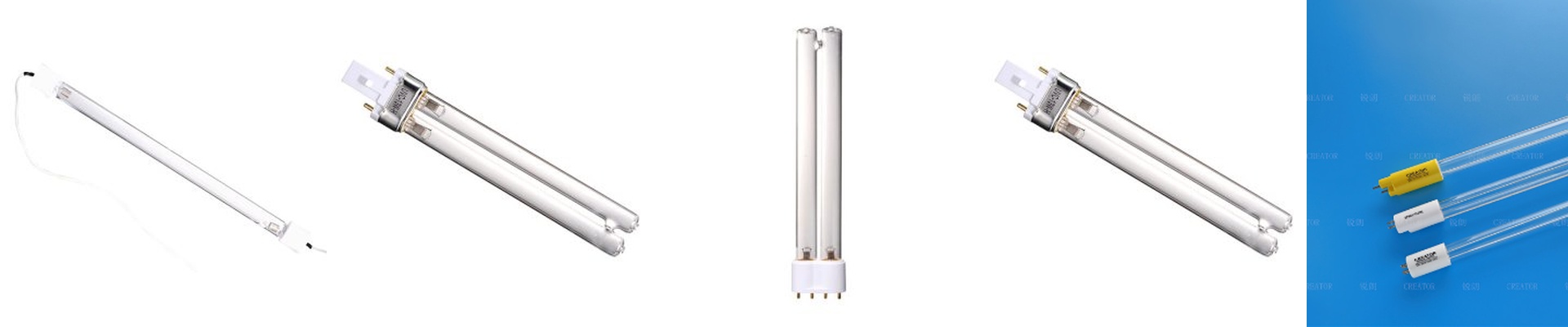
We use quartz for the envelope because it handles thermal shock and keeps UV transmission strong at the exact wavelength you need. Then we choose a coating that shapes the spectrum, so the UV energy hits the ink’s photoinitiators with the right punch. The result? A surface that cures evenly, without patchy gloss or that sticky residue that ruins the finish. And the R7s connector isn’t an afterthought. It’s a solid, two-contact design that carries high current and holds alignment. On the production floor, that means the lamp drops in square every time, and wiring it up is simple—no re-engineering the holder.
Real-World Curing for Decorative Building Materials
On建材装饰 lines, the lamp has to keep pace with printing and finishing equipment. It cures fast, and what you get is a hard, glassy surface that resists abrasion and keeps the printed pattern crisp. The lamp’s design also helps with textured tiles, giving consistent line-of-sight curing. Fewer rejects from pockets that didn’t cure properly. We build this system for the shop floor: output you can count on, mounting that repeats, and an envelope tough enough for daily use. If your goal is a釉面质感 that lasts, the lamp has to deliver the right energy density—every single cycle.