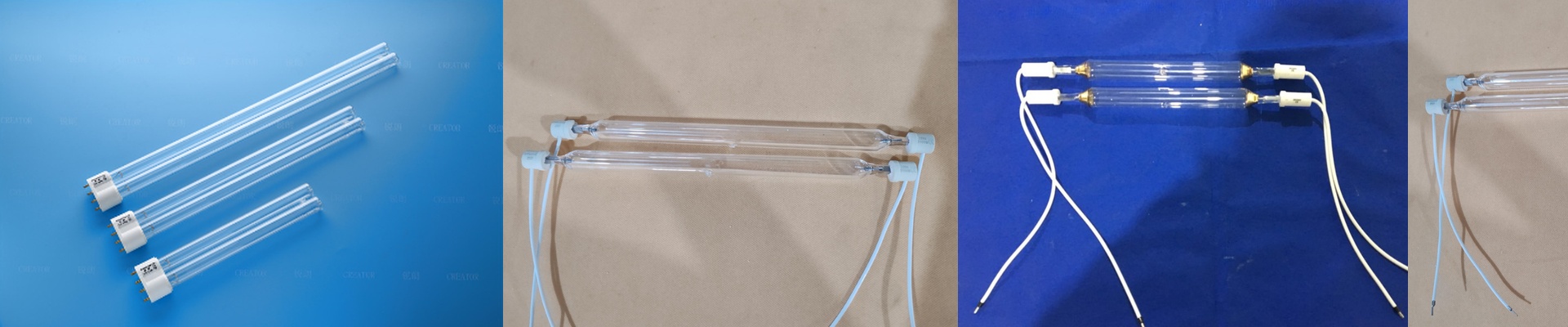
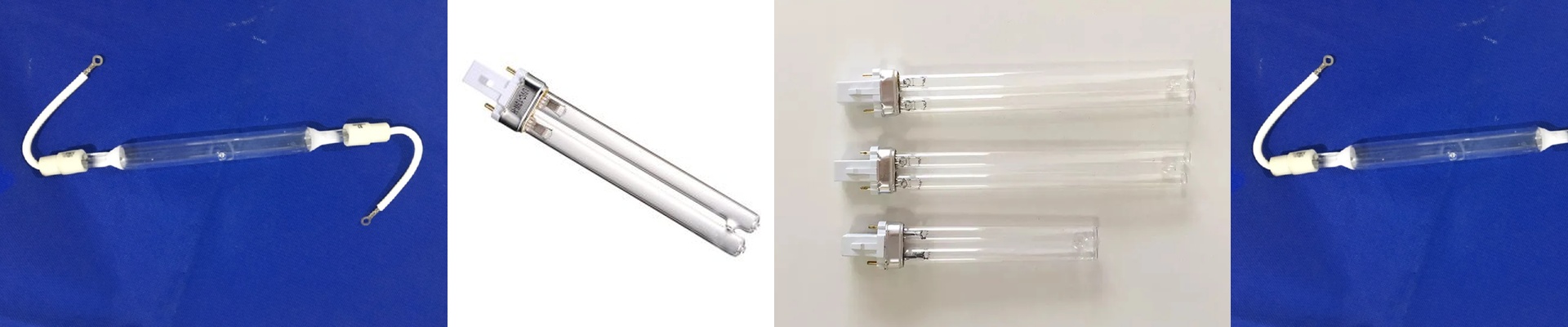
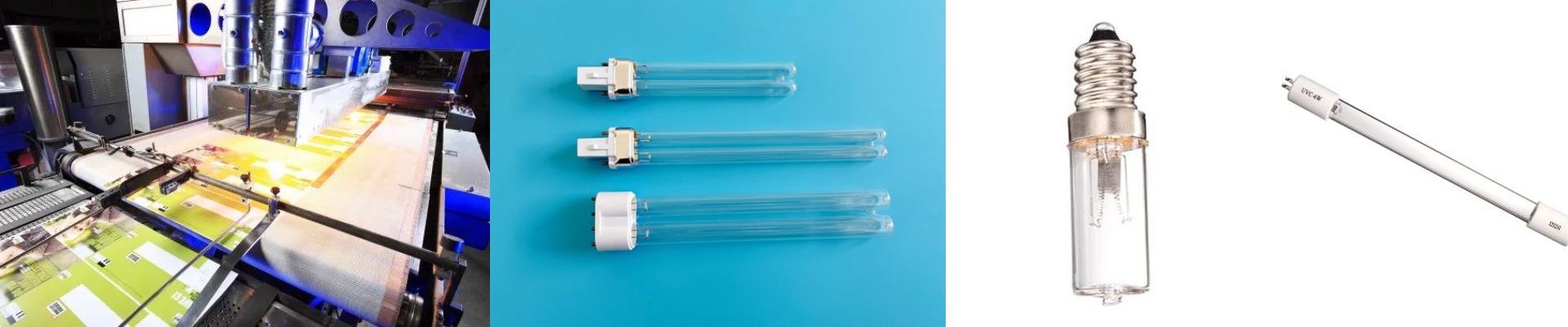
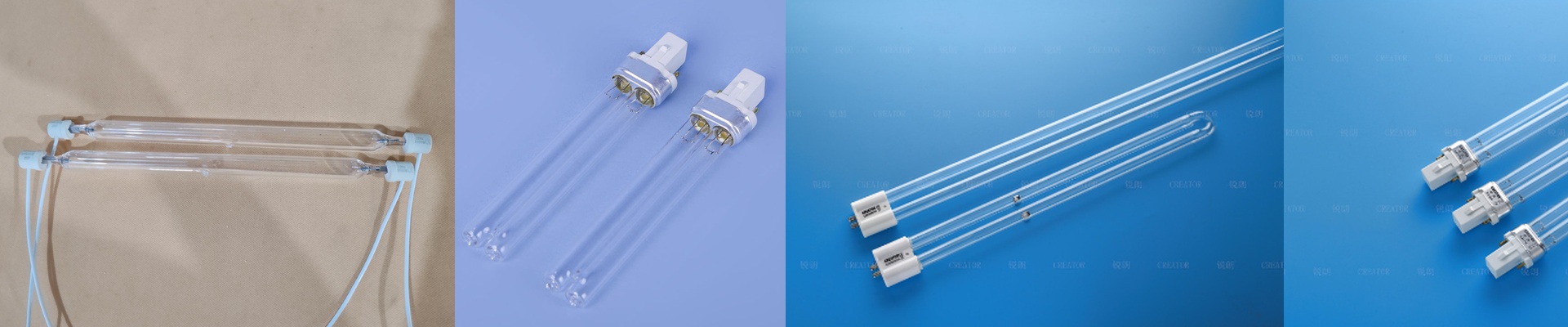
Why Your UV Lamp Turns Blue (And What It’s Actually Telling You)
You flip on your UV germicidal lamp, and instead of that clean, steady glow, it gives off a blue hue. It’s not just a weird side effect. That color is the lamp talking, giving you a straight-up clue about what’s happening deep inside its quartz tube. **The blue glow comes down to a few things:**how the mercury is reacting, the condition of the electrodes, and whether the ballast is actually compatible with the lamp.
The Heart of It: How the Lamp Actually Works
Think of your UV lamp as an arc discharge device. When you power it up, electricity flows through ionized gas, which heats up the mercury inside. That process creates the UV-C light at 253.7 nm—the good stuff that does the disinfecting. But it needs the right setup to work properly. The tube’s design and how much power it runs on set the stage for a stable arc. If the ballast can’t keep the current steady, the arc gets shaky. And when the arc is shaky, the lamp can’t run the way it was designed to. Voltage matters, too. As the lamp heats up, its voltage changes. The ballast has to handle that, delivering the right starting jolt and then keeping the current in check. When the ballast is a mismatch, the lamp is forced off its intended path. You can see the fallout: a color shift, a flicker, and faster wear on the electrodes.
The Pieces: Quartz, Electrodes, and the Ballast Connection
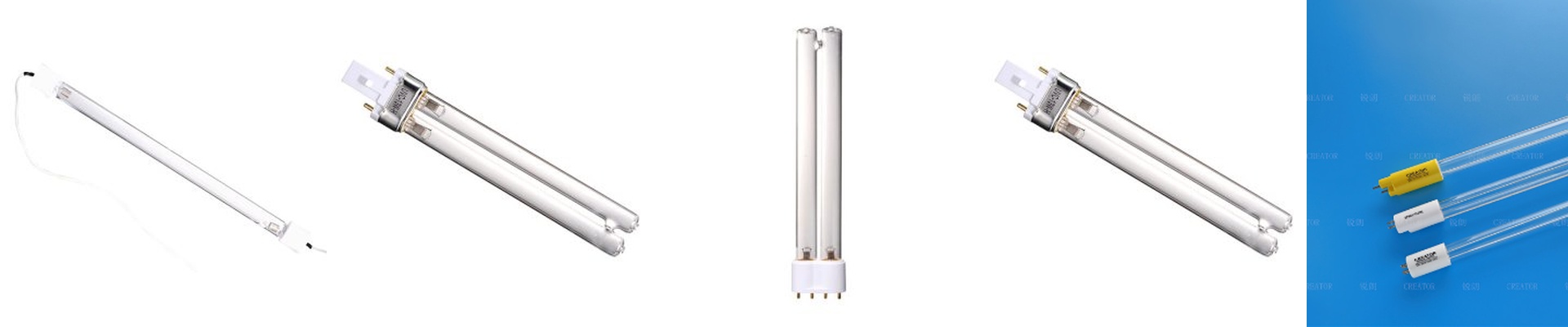
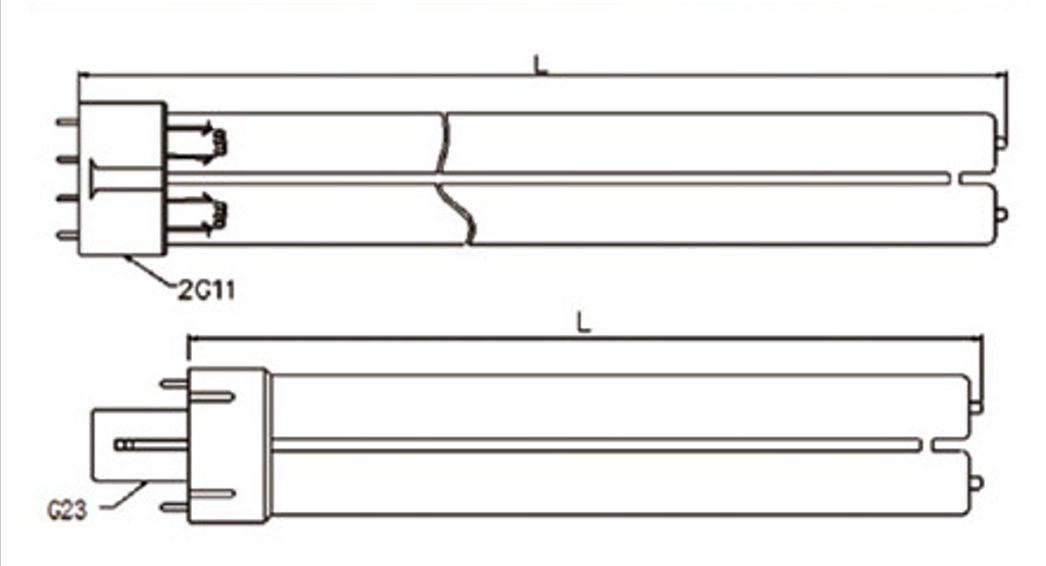
The arc tube is made of fused quartz for a reason. It lets UV-C pass right through and can handle sudden temperature swings. But the real weak spot? Those electrodes at each end. Every time the lamp starts up, it puts stress on the electrodes. Cycle the lamp on and off a lot, and that repeated shock wears them down. Over time, bits of the electrode material break off and settle on the ends of the tube, creating that telltale blackening you might see. That blackening is more than just an eyesore. It blocks UV output and makes the tube run hotter. That extra heat shifts the mercury pressure, which changes the light spectrum. The result? A stronger blue glow becomes visible. This is where the ballast really earns its keep. It has to match the lamp’s specific needs—both for starting and for running. If the ballast is too small, the lamp struggles to fire up. If it’s too big, the current is too high, and the electrodes overheat.
What It Looks Like in the Real World
Let’s be honest: in day-to-day use, the lamp takes a beating from all those start cycles. Each start burns off a little more of the electrode material. After thousands of cycles, that blackening builds up, and the UV output drops. A properly matched ballast keeps the current in line, which helps slow down that electrode erosion. But there’s a trade-off with heat. High output means you need good airflow and a smart reflector setup. If the lamp runs too hot, the quartz can start to degrade, and that blackening gets worse faster. So when you see that blue glow or darkening at the ends, treat it as a heads-up. The lamp is giving you a life warning. Get the right ballast, keep an eye on how often you’re starting the lamp, and plan to replace it based on both run hours and how many times you’ve started it.