Tuning UV for Mixed Ink Curing—Without the Guesswork
We design UV lamps for central air systems, but the same physics carries straight into industrial curing. Here’s the headache that shows up when you mix gel inks with water-based inks: one ink needs 365nm, the other needs a shorter wavelength. A standard broad-spectrum lamp? It scorches the surface while the ink underneath stays tacky. So we built a UV setup that actually solves that mismatch.
Power, voltage, and a footprint that fits real life
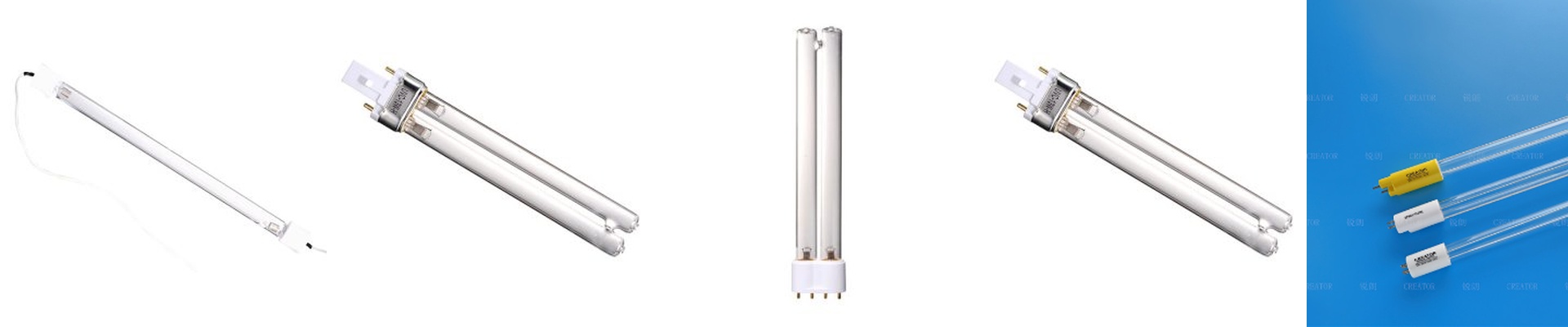
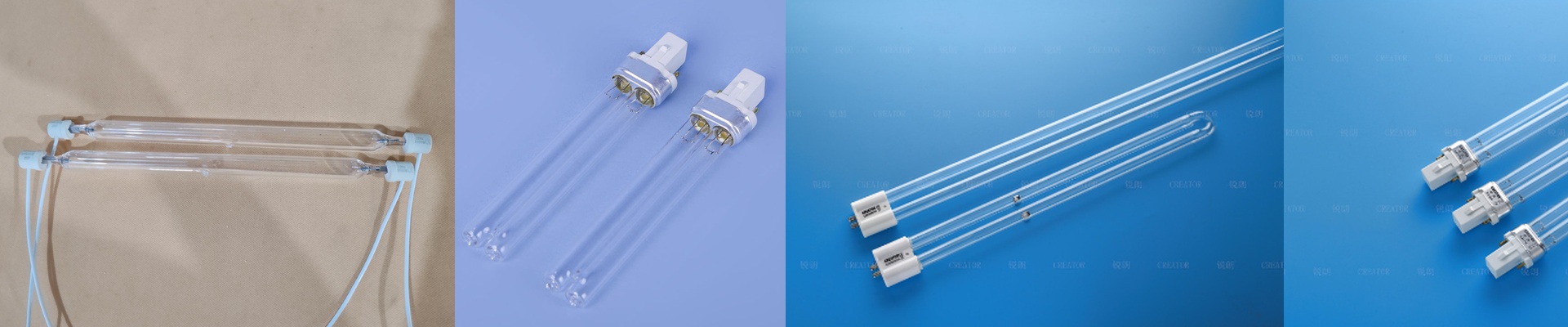
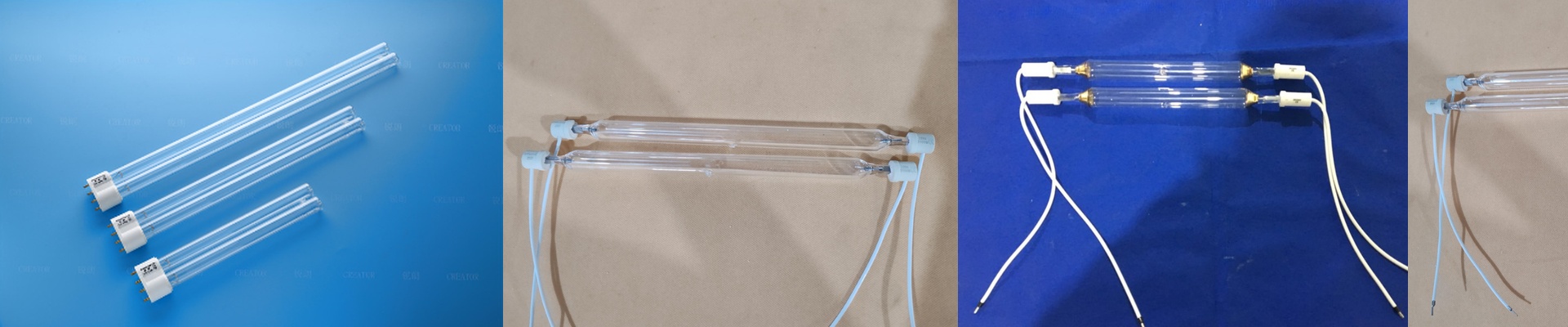
We spec these lamps to deliver stable, repeatable output—without demanding you redesign your whole line. The lamp runs at 400V, which lets us hit high-intensity arc discharge without tripping over current limits on the line. And that 2500W rating isn’t just a number—it’s the kind of photon density that fully crosslinks resins in a single pass, even at line speeds that make weaker systems fold. We kept the length at 300mm for a practical reason: it matches typical central air duct modules and curing chambers. You get enough dwell time without tearing the chamber apart.
Why the build matters more than the spec sheet
The envelope is quartz, because it transmits UV cleanly and takes thermal shock without cracking. Then we apply a tuned coating to shape the output band. That’s how we shift the peak and narrow the spread, so the energy lands exactly where the ink chemistry reacts. And we use an R7s base because it’s proven in the field—rugged, high-temperature capable, and it keeps the lamp aligned. Wire it once, and it stays put. No fiddling.
Mixed inks, cured evenly—without scorching
When you’re running mixed gel and water-based inks, spectrum control is the difference between a print that looks dry and a print that’s truly cured through. We dial the spectral output so the lamp hits the gel ink’s photoinitiator band and the water-based ink’s curing window. The payoff is uniform cure across the whole print—no scorching, no sticky underlayers. But here’s the catch: 2500W means the lamp runs hot. Your machine has to be built to handle that heat load. If the cooling isn’t right, you’ll shorten lamp life and risk overheating the chamber. When the cooling is sorted, the lamp settles into steady, consistent curing—fewer rejects, and uptime you can actually rely on.