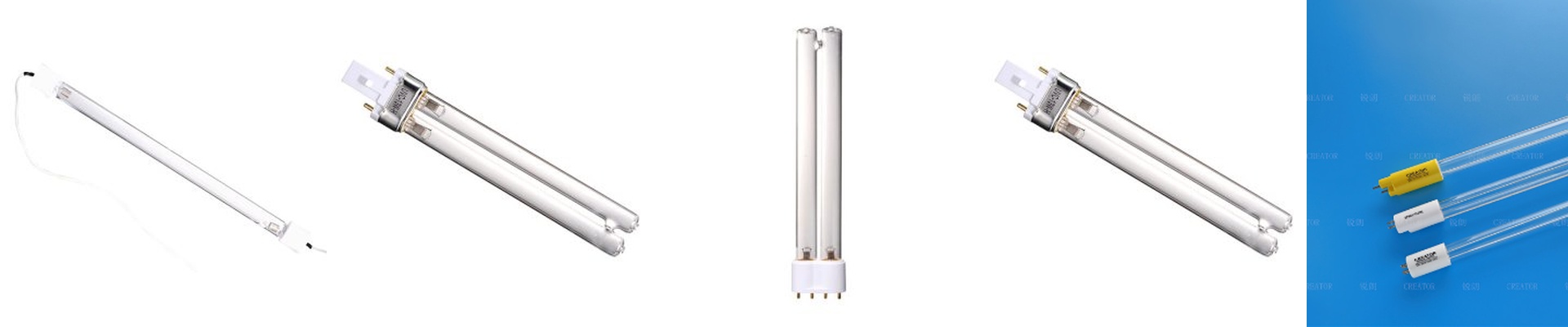
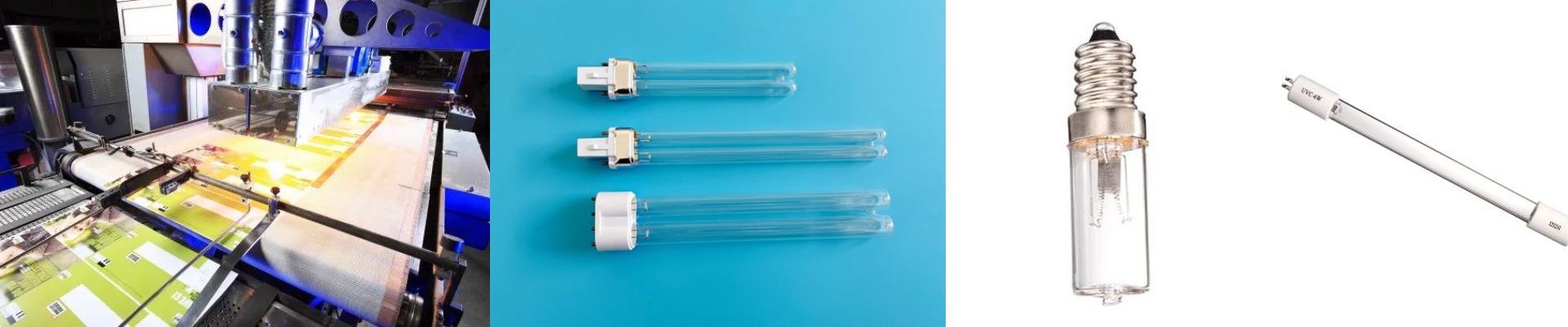
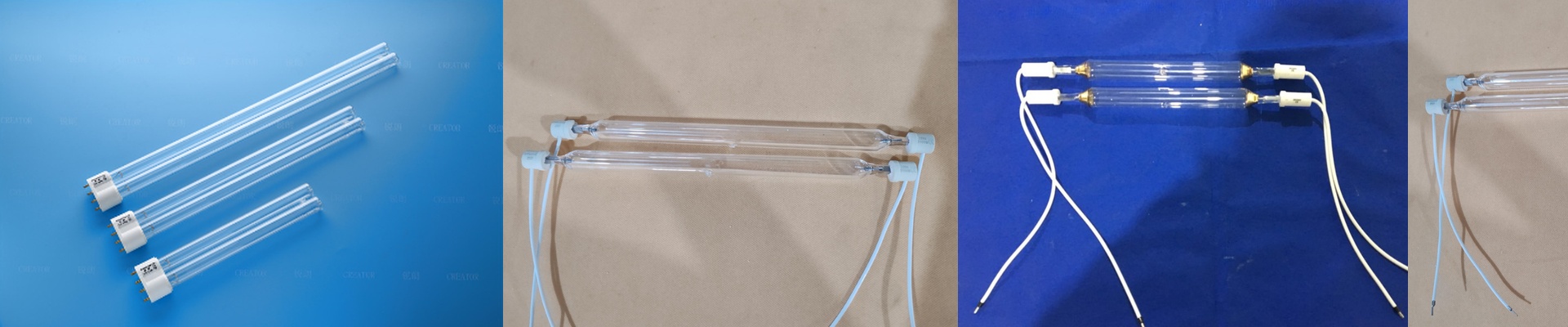
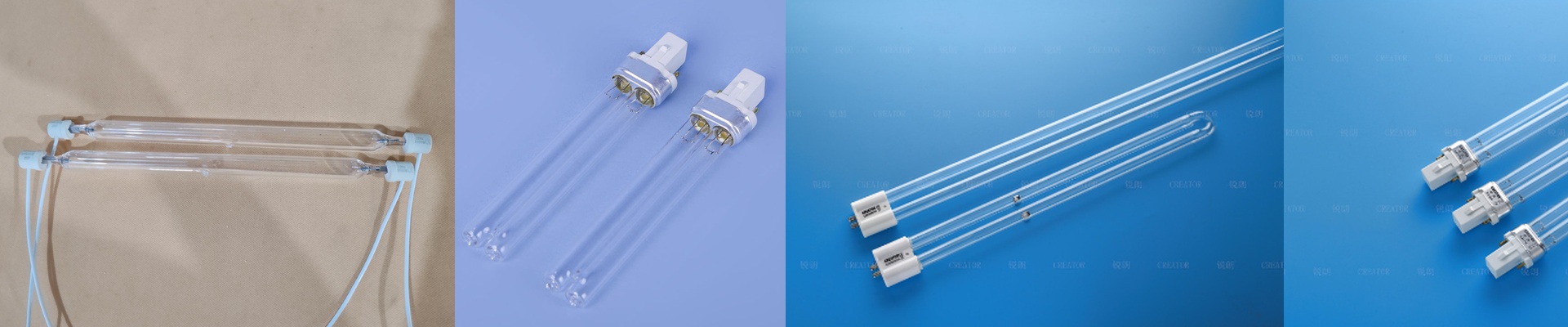
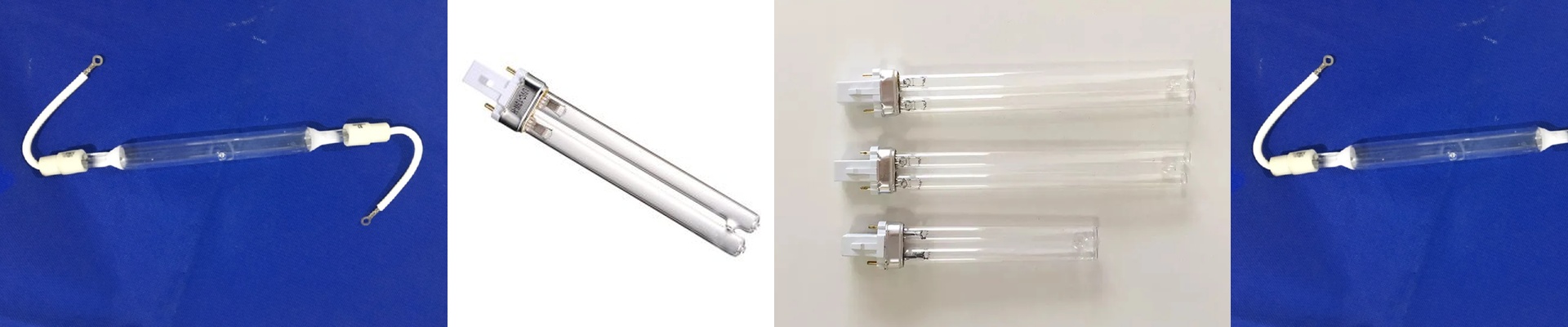
Walk into a garment-print shop and you can smell the plastisol and solvent inks the moment you step inside. That smell isn’t just unpleasant—it’s an emission profile you can measure, and it’s what drives up ventilation costs, makes compliance a headache, and leaves a faint film on the substrate. The issue isn’t “heat.” It’s incomplete conversion. When the photoinitiators and oligomers don’t cross-link fully, the substrate keeps outgassing, and the cure tunnel turns into an odor machine. An automatic UV curing lamp—built for high irradiance and tight spectral control—goes straight after the root cause. It pushes photopolymerization all the way to completion, so volatiles get locked into the polymer matrix instead of being kicked into the air. The payoff is a cleaner line, less load on extraction, and a finish that’s actually cured, not just flashed hot.
What actually matters on the technical side
When we spec these automatic UV curing lamps, we lean on two levers: spectral match and delivered energy density. In garment printing, the ink chemistry is typically tuned to medium-pressure mercury vapor lamps, with strong output lines around 365 nm, 385 nm, and 405 nm. The photoinitiator package responds to those wavelengths, and the spectrum has to line up so you get full cross-linking—not just surface skinning.
- **Spectral output:**A medium-pressure mercury vapor lamp gives you a broadband spectrum that includes the 365–405 nm band where most garment inks cure. We hold the envelope so the dominant peaks stay stable over lamp life.
- **Peak irradiance:**For through-cure, peak irradiance at the substrate plane is what beats oxygen inhibition and drives conversion deep into the ink film. We target high irradiance—typically 8–12 W/cm² at the lamp focal plane—then set the working distance so the substrate gets enough energy density.
- **Energy density (dose):**The dose at the substrate, in mJ/cm², has to clear the ink’s threshold for full conversion. For many garment inks, 300–600 mJ/cm² in the relevant wavelength band is typical; thicker deposits and opaque inks often need more. The lamp system has to deliver that dose at line speed without hot and cold bands.
- **Reflector efficiency and field uniformity:**A dichroic-coated elliptical reflector maximizes photon reuse by reflecting UV back to the arc while filtering IR away from the substrate. We spec reflector geometry to keep uniformity within ±10% across the print width. If it’s not uniform, you’ll see it as inconsistent finish and residual tack at the edges.
- **Ozone management:**Ozone forms when UV photons split oxygen molecules. We use ozone-free quartz envelopes and/or ozone-depleting coatings so the curing chamber stays clean and you don’t have to oversize extraction.
- **Lamp life and output stability:**Mercury vapor lamps fade as electrodes erode and amalgam composition shifts. We define end-of-life by irradiance drop (for example, below 70% of initial output) and give a lamp replacement schedule so you don’t get surprises on the floor. Expect 1,000–2,000 hours at full output, depending on power density and duty cycle.
- **System integration:**The lamp only performs if the power supply, shutter, and interlocks behave. We use solid-state ignition, closed-loop power regulation, and a machine-readable interface (discrete I/O or standard fieldbus) so the lamp can track line speed and print width automatically.
Why this works in garment printing
Garment printing runs at line speeds where the curing window is short, and the ink film is often thick enough to trap uncured monomer. Flash heat can dry the surface, but it won’t finish the polymerization. That gap is why odor sticks around—and why the print can feel soft after it cools. Our automatic UV curing lamp flips the equation by delivering photon dose with the right spectral profile and enough peak irradiance to drive conversion through the entire film. The effect is practical, not academic.
- **Odor drops because conversion finishes:**When photoinitiators are exhausted and oligomers cross-link, residual monomer falls off. Less residual monomer means fewer VOCs at the stack and less odor on the garment. In practice, you can reduce ventilation load because the curing chamber isn’t constantly dumping unreacted volatiles.
- **Cure stays consistent at production speed:**The lamp follows the line—shutter opens only during the print pass—and dose is maintained by regulating lamp power and controlling dwell time. That keeps the dose inside the ink’s cure window, so you don’t spend your day chasing tails every time the speed changes.
- **Hand feel improves, durability too:**Full cross-linking builds a firmer film with better wash resistance. You get the finish you spec’d, not a compromise that goes soft again after cooling.
- **Energy use and maintenance stay disciplined:**Unlike broad-spectrum IR heating, UV energy is delivered instantly and only when the lamp is on. The lamp draws power in proportion to the required irradiance, and the reflector package keeps wasted heat to a minimum. Maintenance is predictable: you know the lamp replacement intervals, and irradiance can be checked with a spectral radiometer.
The details you can’t gloss over
An automatic UV curing lamp isn’t a bolt-on accessory. It’s a controlled photochemical reactor. If you want the performance you’re after, you have to pay attention to substrate, ink, and the machine interface.
- **Substrate temperature matters:**Polyester and other heat-sensitive substrates can get damaged if the IR load is too high. Set the working distance to control substrate temperature, then confirm it with a thermal profile. The goal is cure—without scorching.
- **Ink chemistry has to match:**If the ink is formulated for LED wavelengths (say, 395 nm), a medium-pressure mercury lamp may still cure it, but the spectral mismatch can push you toward surface cure and reduce through-cure, leaving unreacted species that cause odor. Match the lamp spectrum to the ink’s photoinitiator absorption, or consider a hybrid lamp strategy.
- **Extraction design is not optional:**Even with ozone-free designs, some low-molecular-weight fragments are generated. Size extraction to maintain negative pressure in the curing chamber and prevent recirculation. If you cut ventilation, verify it with VOC measurement—make sure the balance is real, not assumed.
- **Lamp power and line speed are tied together:**Change line speed and you change dwell time. If you increase speed, you have to increase dose (by increasing power) to keep the same energy density. The system needs a dose control loop, not just a lamp on/off switch.
- **Compatibility and footprint:**The lamp package has to match your print width, mounting pattern, and coolant/power connections. Measure twice. Retrofits usually need minor mechanical tweaks to keep focal distance and alignment correct. If your goal is to cut odor at the source—by finishing the chemistry, not just flashing the surface—an automatic UV curing lamp is the right tool. It puts control back into the conversion process, so the print comes off the line fully cross-linked, the air stays cleaner, and your line runs at the speed you planned.