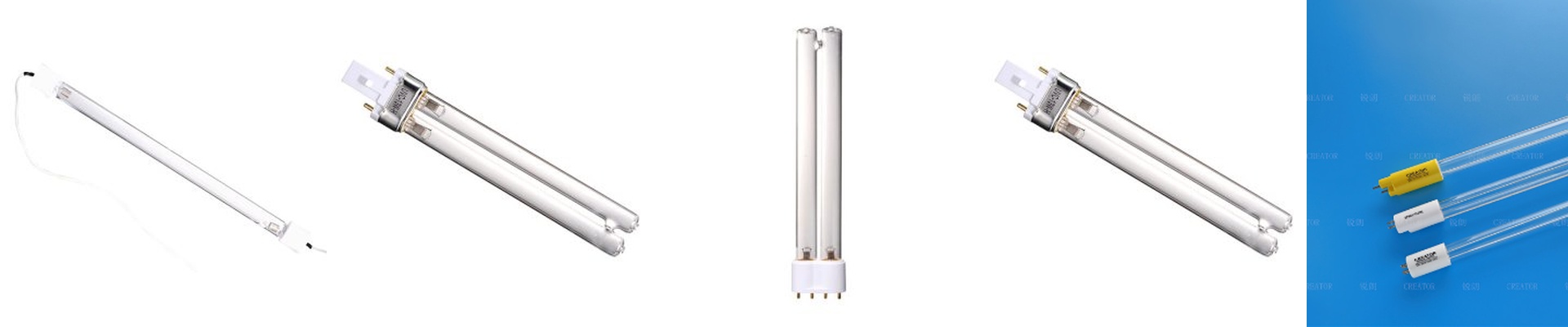
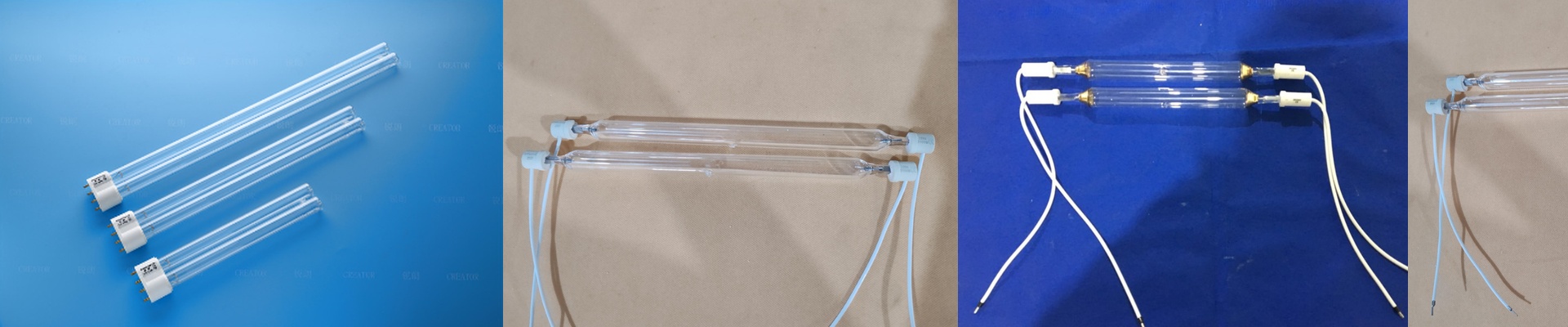
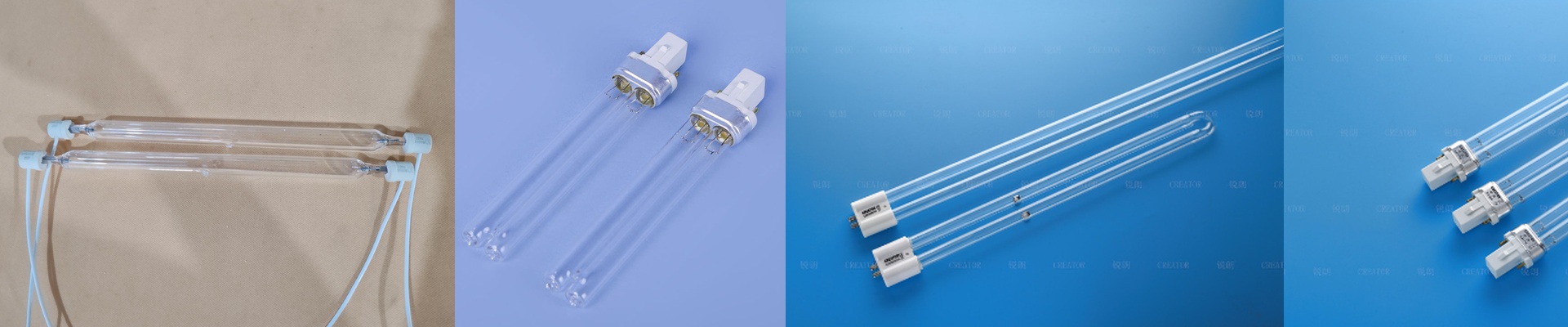
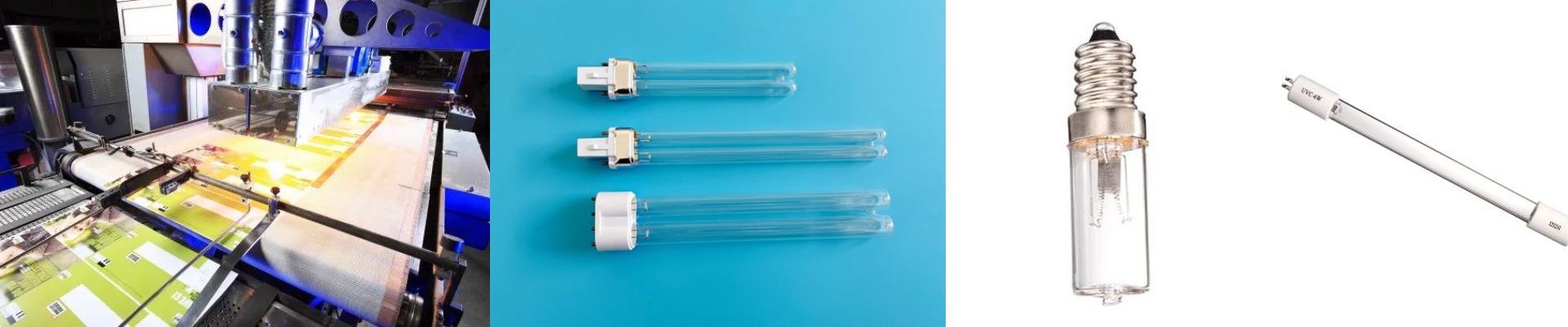
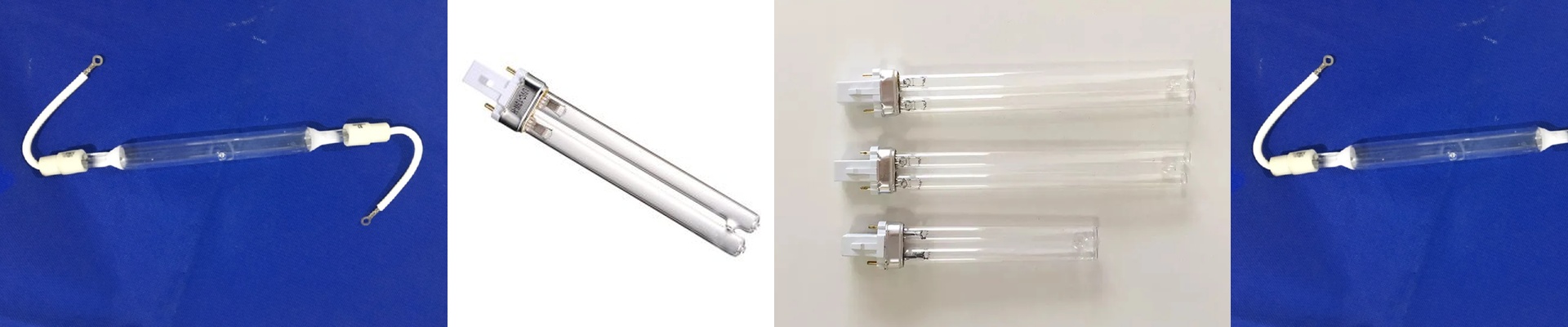
On the press floor, uneven ink drying isn’t just a headache—it’s yield you’re burning through. When UV curing leaves hot spots and weak zones across the web, you get tack, scuffing, and adhesion failures that don’t show up until after die-cutting or stacking. The culprit is thermal and spectral non-uniformity in the UV field. What matters, technically We build the UV system around stable spectral output and repeatable irradiance. Our high-pressure mercury vapor lamps deliver a defined profile centered at 365 nm, with solid shoulder output at 313 nm and 410 nm to match the photoinitiator absorption in flexo and screen inks. Peak irradiance at the substrate is calibrated to 12–18 W/cm², and the reflector assembly uses a dichroic coating to manage IR and focus the energy where it needs to go. The result is an energy density window of 600–900 mJ/cm² across the print width, with total uniformity within ±5%. That kind of precision keeps cross-linking consistent, edge to edge. Why it lands in printing On a press, cure uniformity means more first-pass yield and fewer reprints. With a controlled hot/cold profile, you can run faster without chasing tails, cut down on pinholing, and hold color density steady. You’ll see lower energy draw, too—reflector efficiency and lamp geometry keep wasted IR out of the equation. And the lamps hold up: 5,000+ hours with less than 5% output drop, so you spend less time on maintenance and more time running. Here’s the thing about installation: respect the thermal envelope. Confirm substrate distance tolerances, lamp-to-reflector alignment, and airflow to keep the arc stable—otherwise, output variance climbs as temperature drifts. The system works with most presses, but integration details—connector type, power supply, shutter interface, and interlock—need to match your specific platform. Plan a radiometer calibration pass to set your cure windows, and document baseline uniformity before you hit full production.