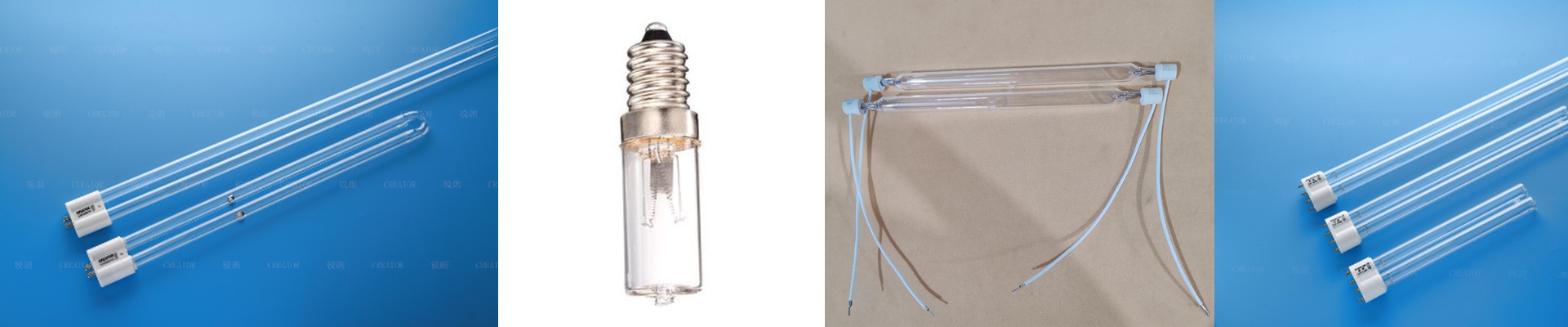
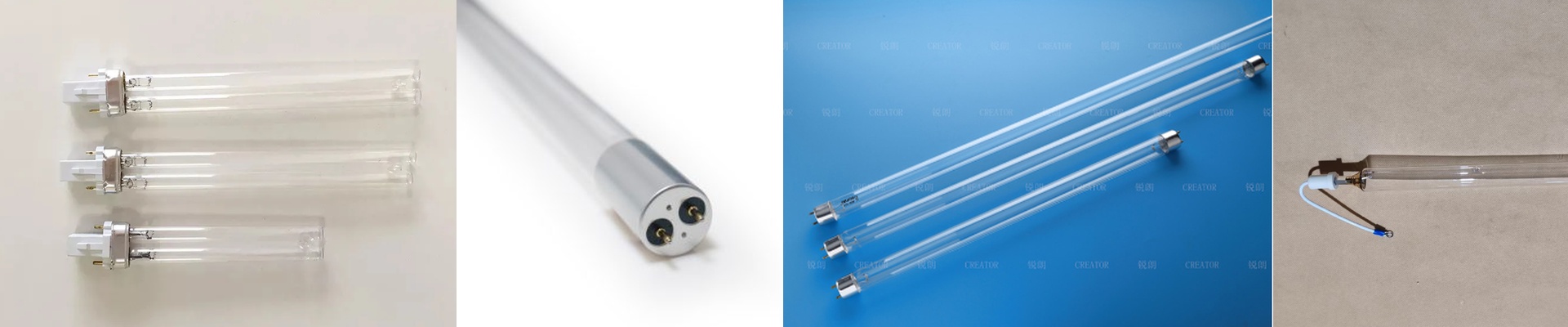
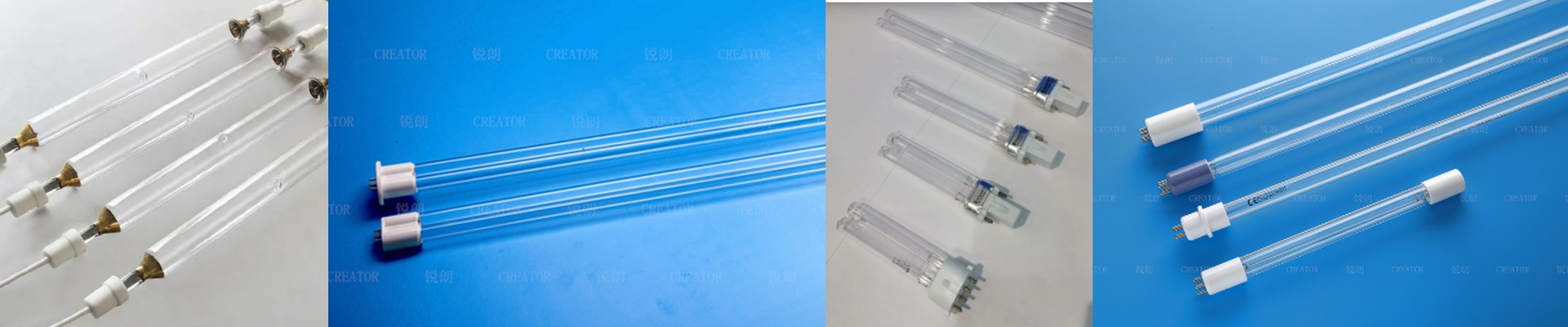
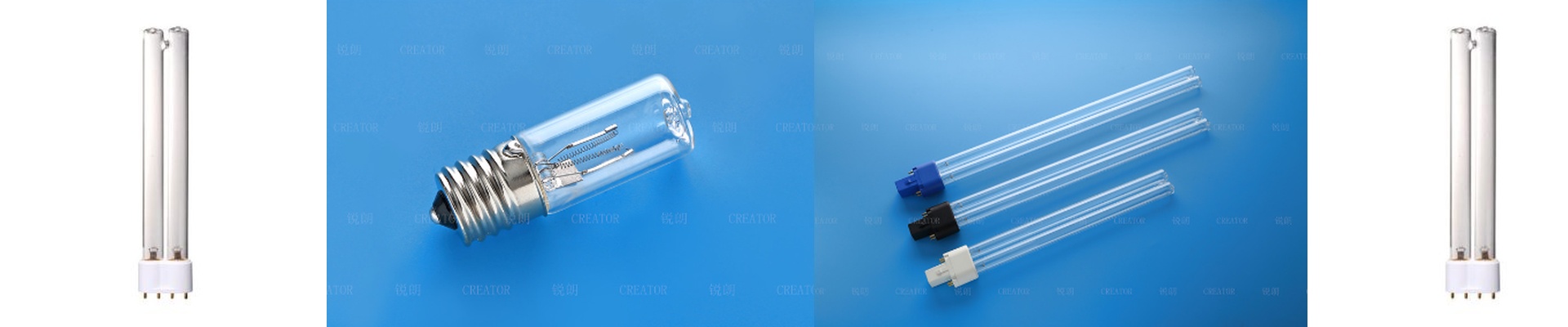
The Real Deal on High-Pressure Mercury UV Lamps in Textiles
If you’ve ever wondered how a piece of raw fabric becomes a finished garment without the ink smudging or the coating peeling off, the answer is usually UV curing. It’s the invisible workhorse of the whole operation. We rely on high-pressure mercury lamps to basically “freeze” inks, coatings, and adhesives in place. When these lamps go down, the whole line just stops. Plain and simple.
How they actually work
Here is the gist: these lamps create an electric arc through pressurized mercury vapor. This kicks out a broad spectrum of UV radiation—mostly UVC and UVB. We go for high wattage because we need a massive hit of photons to snap-cure those polymers in a matter of seconds. It’s fast. Really fast. But you have to keep an eye on your voltage. If your ballast starts acting up or fluctuating, you’re going to fry your electrodes way sooner than you should.
Where they fit into the workflow
These lamps aren’t just some final touch at the end of the line. They’re everywhere. Takedigital printing, for example. You need them to lock in UV-curable inks on nylon or polyester so nothing bleeds. Then there arefunctional coatings—the stuff that makes a jacket waterproof or flame-retardant. Even inscreen printing, they’re the secret to speeding up the drying process so garments can move to the next station without a bottleneck. One thing to watch out for? The heat. These things get incredibly hot. If your exhaust system isn’t pulling that air away, you’re risking warped fabric or, worse, melting your conveyors.
The trade-offs you should know about
If you’re dealing with thick coatings, these mercury lamps are your best bet for raw intensity. But there’s a catch: the warm-up time. Unlike LEDs, which are instant, these tubes need a few minutes to get up to temperature. If your production line is constantly stopping and starting, you’re just burning energy and killing the life of the lamp. And a pro tip for when you’re wiring them up:keep the quartz sleeve spotless. Seriously. Even a single fingerprint or a tiny smudge of oil can create a hot spot. Once that happens, the glass can crack under the thermal stress, and then you’re starting all over again.