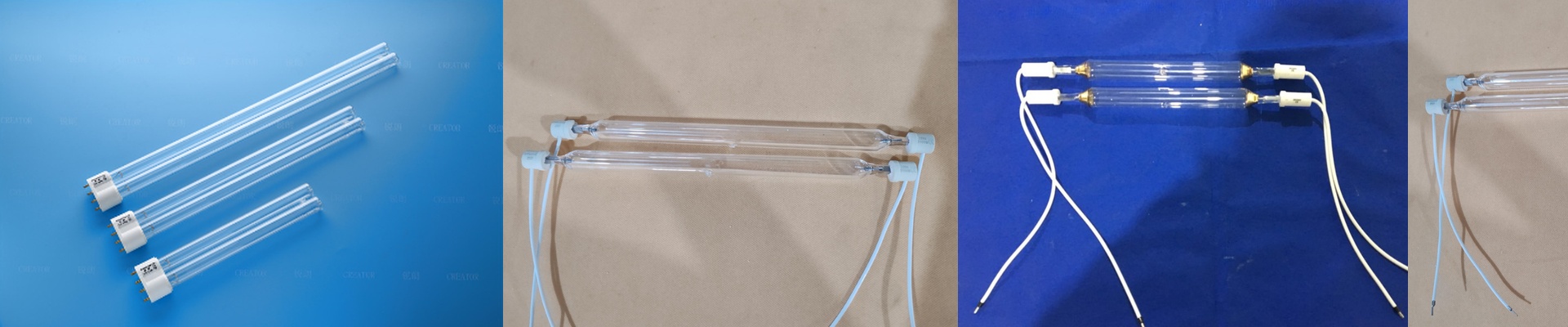
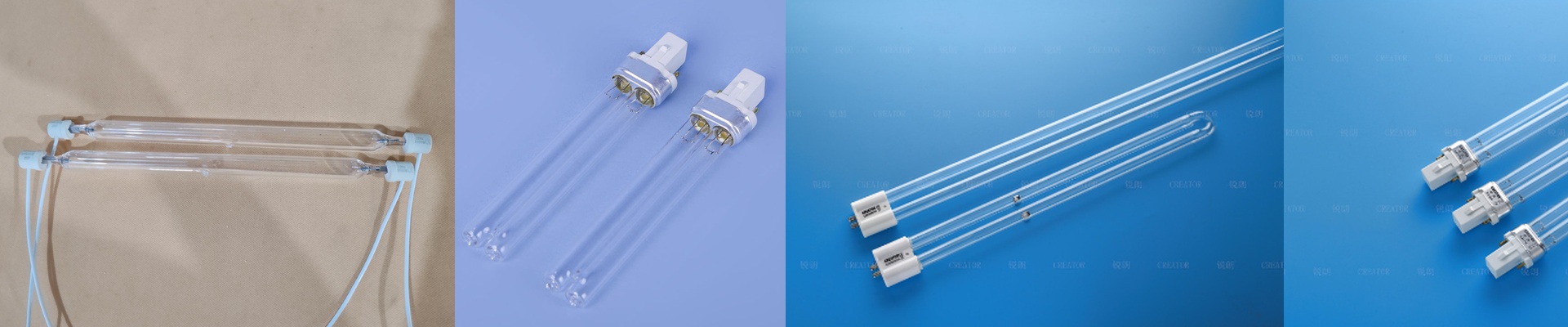
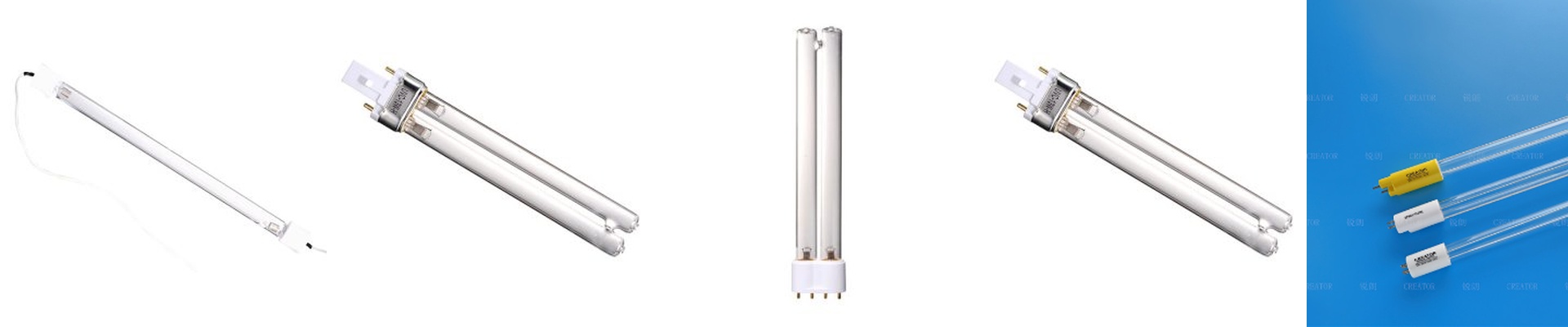
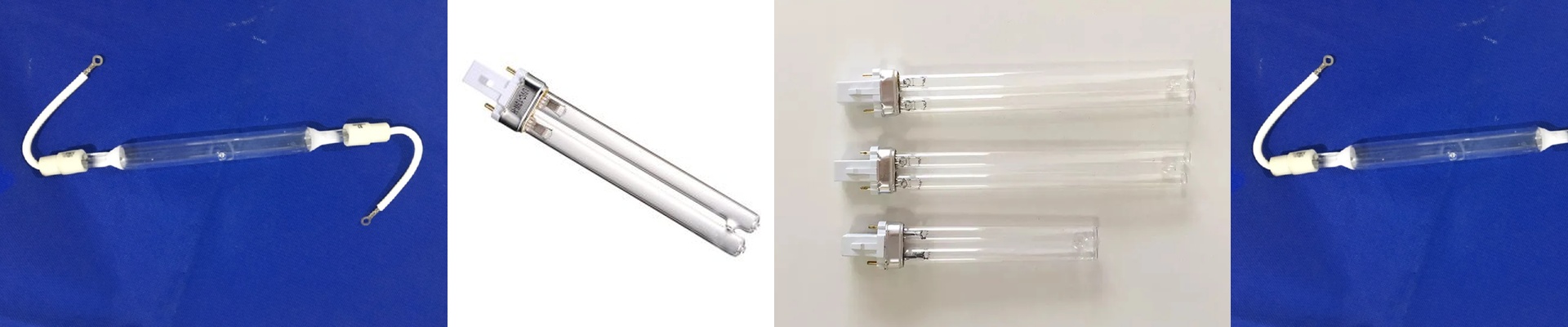
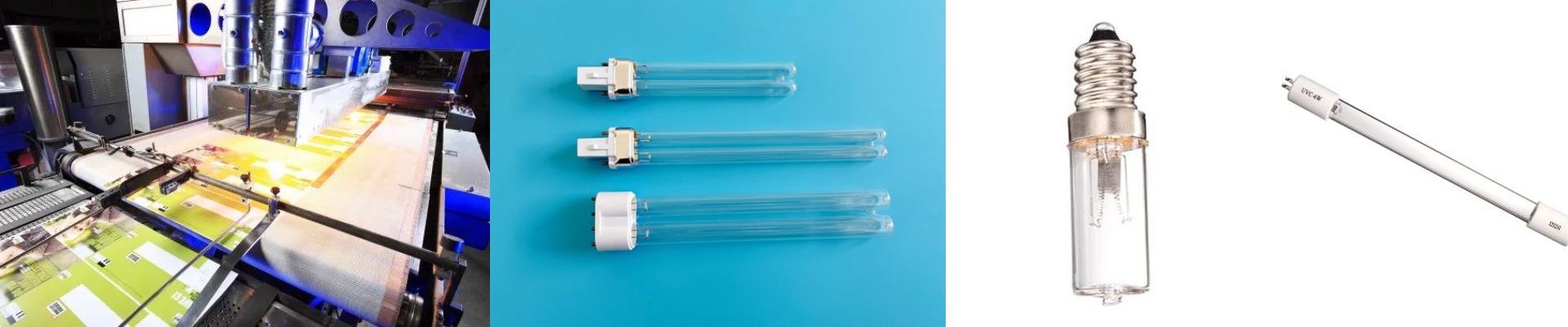
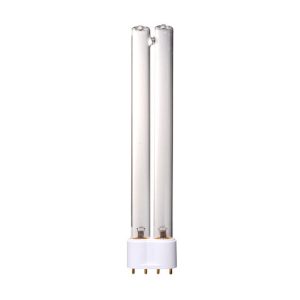
Run a screen or flexo line and one thing is inevitable: when the UV lamp goes down unexpectedly, the whole run stops, and the ink on the pallet cures unevenly. You can’t run a UV cure on gut feel. You need to track what the lamp actually uses, and you need a lamp that makes that tracking possible. What actually matters under the hood We built the high-power mercury UV tube—5kW—for industrial curing where peak irradiance and stable spectral output set the tone. The 365nm line carries most of the output, which lines up with the photoinitiator absorption in most UV inks and keeps cross-linking fast. How much usable light you get comes down to lamp power, arc length, reflector efficiency, and the dichroic coating. With a 5kW mercury vapor lamp, you keep the photon flux high enough to hit your target energy density (mJ/cm²) across the web, even at production speeds. Output stays consistent from startup, and the measured lamp life curve lets you plan replacements instead of scrambling after a failure. Why this setup earns its keep A UV consumption ledger only works if the lamp behaves itself. Track ignition cycles, operating hours, power draw, and spectral radiometer readings taken right at the substrate plane. The 5kW mercury UV tube holds its spectral distribution steady over time, so when cure performance drops, it tracks to real degradation—not guesswork. You schedule maintenance before output drift starts pushing under-cured jobs through the line, and you stop chasing cure defects that come from falling light intensity. Fewer emergency lamp changes. Stable cure windows. Consistent color and adhesion. The practical details you can’t skip Match the lamp to the reflector geometry and the cure window size. Make sure it plays clean with your shutter, power supply, and ozone-free configuration. Running at full power does the job, but it piles on thermal load for the reflector and the substrates—confirm your airflow and cooling can handle it. Mercury lamp output is touchy about voltage stability and how it ignites, so stick with the specified ballast and igniter to keep spectral output repeatable.