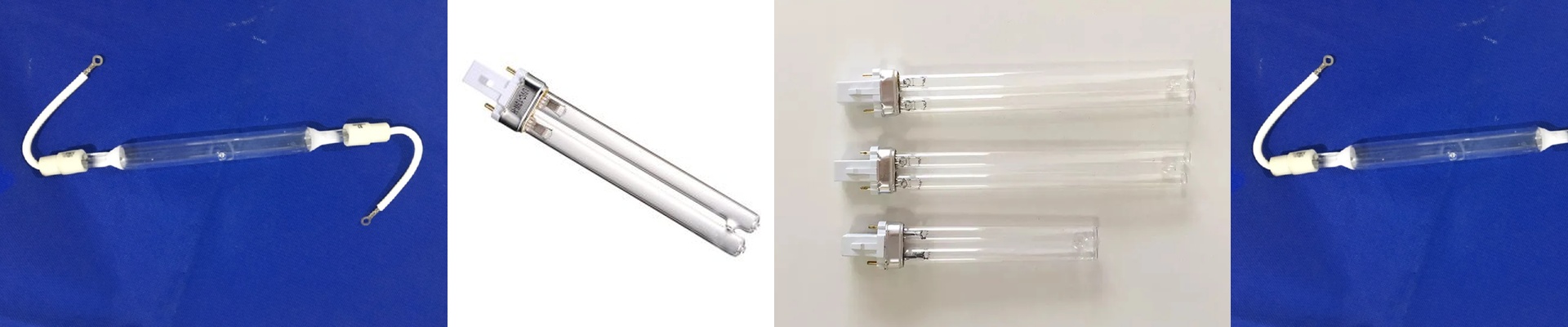
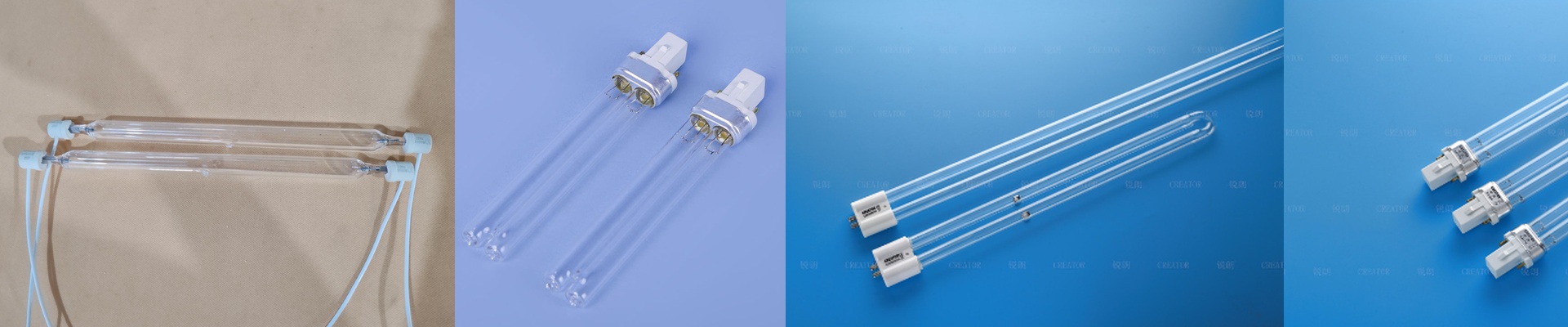
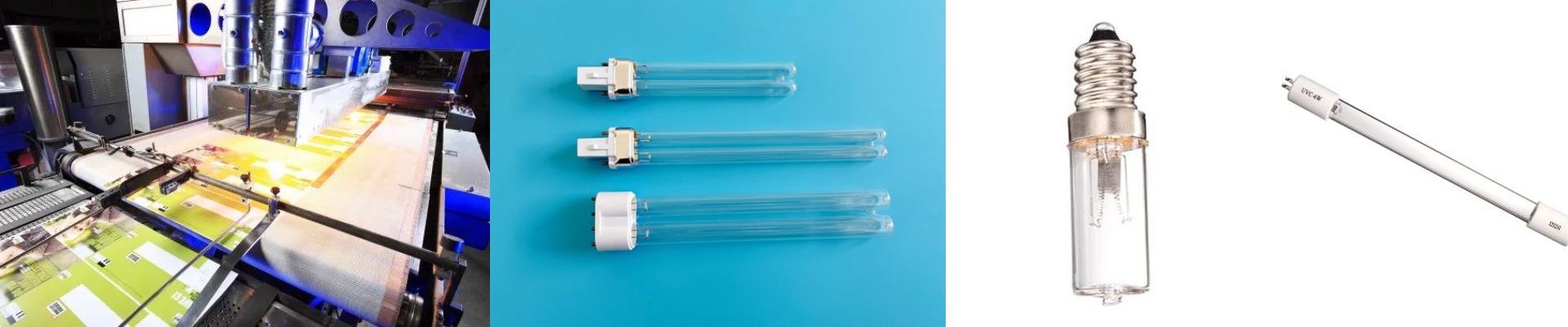
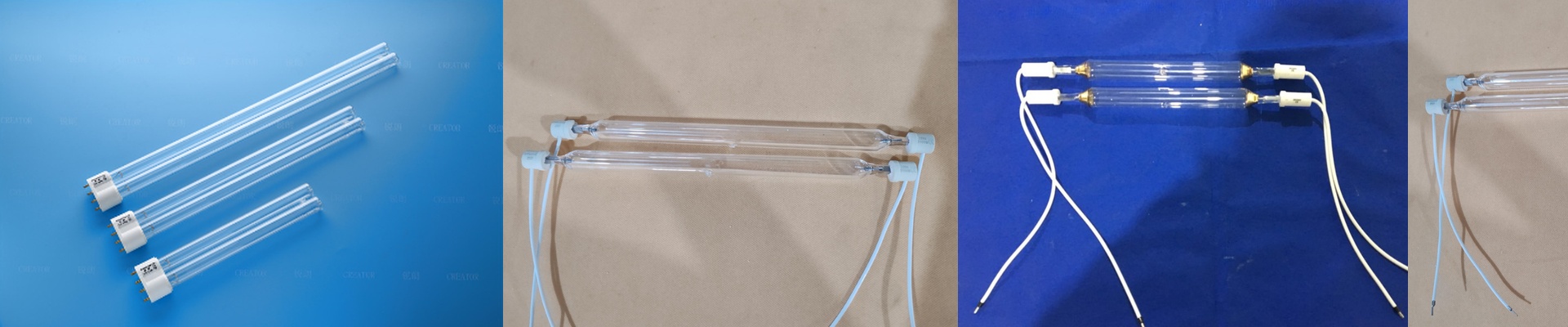
CE Certification: It’s Not Just a Sticker
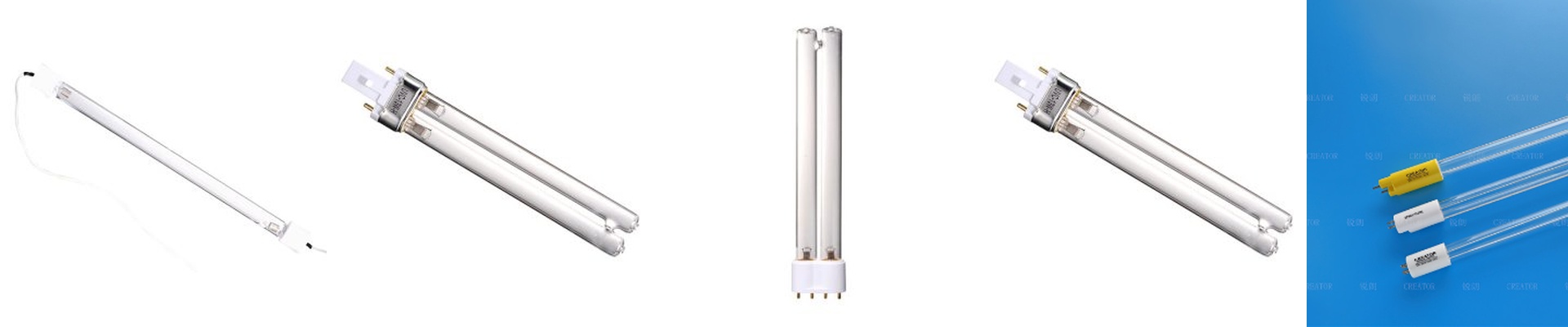
Most people see CE certification as just another piece of paperwork—a hoop you have to jump through to get a product on the shelf. But in the world of UV lamps, it’s actually the floor. When we build smart UV replacement lamps for the global market, that CE mark is our way of saying, “This thing won’t blow a fuse or leak radiation into your workspace.” It’s about peace of mind.
The scary part: High Voltage
A UV lamp isn’t just a lightbulb. It’s a high-voltage piece of hardware. That’s why we obsess over the Low Voltage Directives. We spend a lot of time testing for insulation breakdowns and leakage current. Why? Because if a lamp isn’t built to handle the weird power spikes and dips of your local power grid, it’s going to burn out. Fast. We make sure the quartz and the connectors can actually handle the heat and the load without giving up on you.
Dealing with “Noise”
Since our smart lamps use electronic ballasts and sensors, they can get a bit “noisy” electronically. This is called electromagnetic interference (EMI). If you don’t have the right shielding—the kind the CE EMC directive demands—your UV system might start acting up. Or worse, it could make your nearby PLC controllers or production line sensors glitch out. Nobody wants a production line that stops because a lamp is “talking” too loudly to the other machines. We design our circuitry to keep things quiet.
The cost of cutting corners
Look, getting certified takes time. It takes money. It involves a lot of grueling lab tests and piles of documentation. Because of that, some cheap alternatives just skip it. They drop the price to look attractive. You save a few bucks upfront, sure. But then you’re staring at unplanned downtime or a failed safety audit. For us, the CE mark is like a technical passport. It means the lamp is a true drop-in replacement that plays nice with high-end machinery in Europe or North America. You get a product that’s wired right and safe to run 24/7. Simple as that.