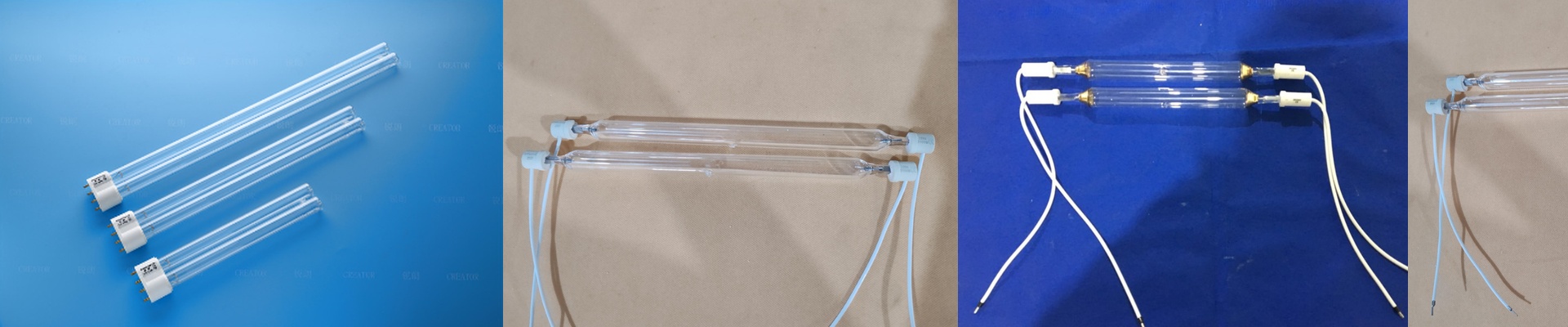
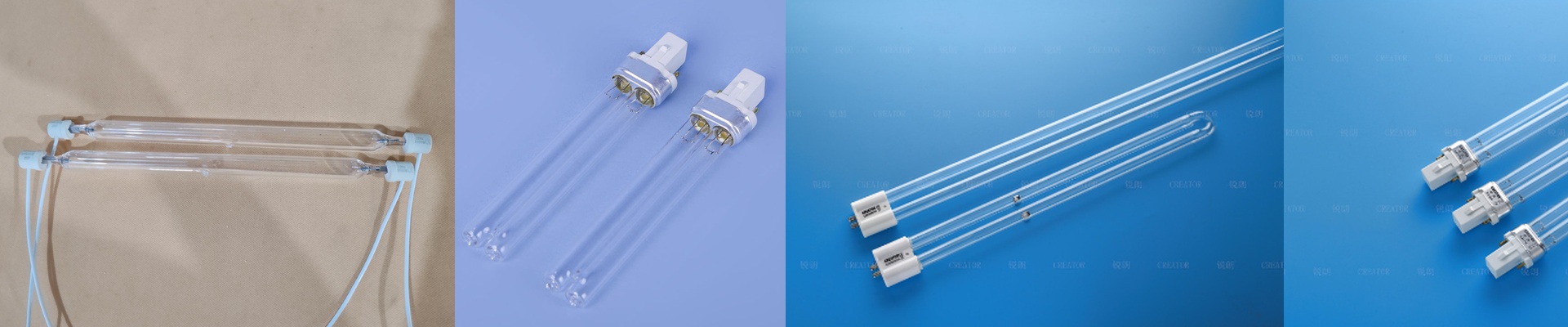
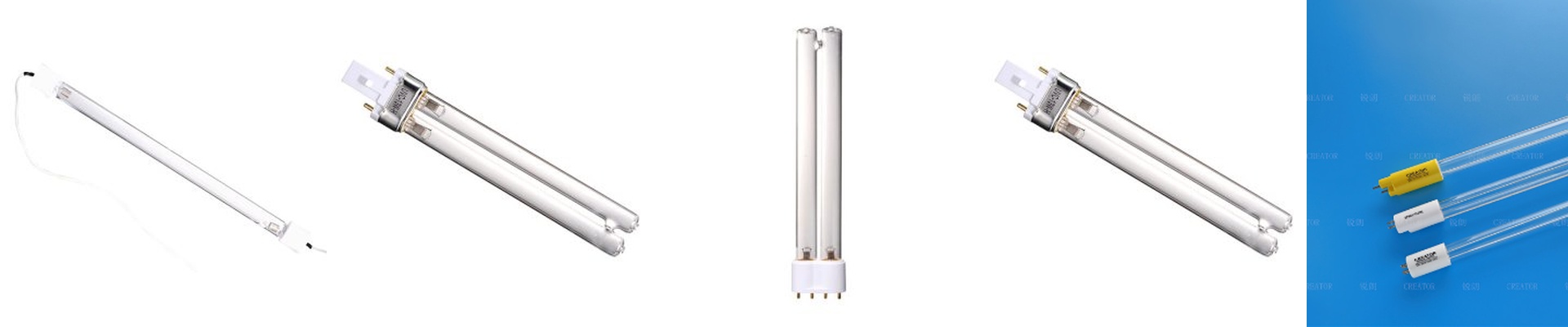
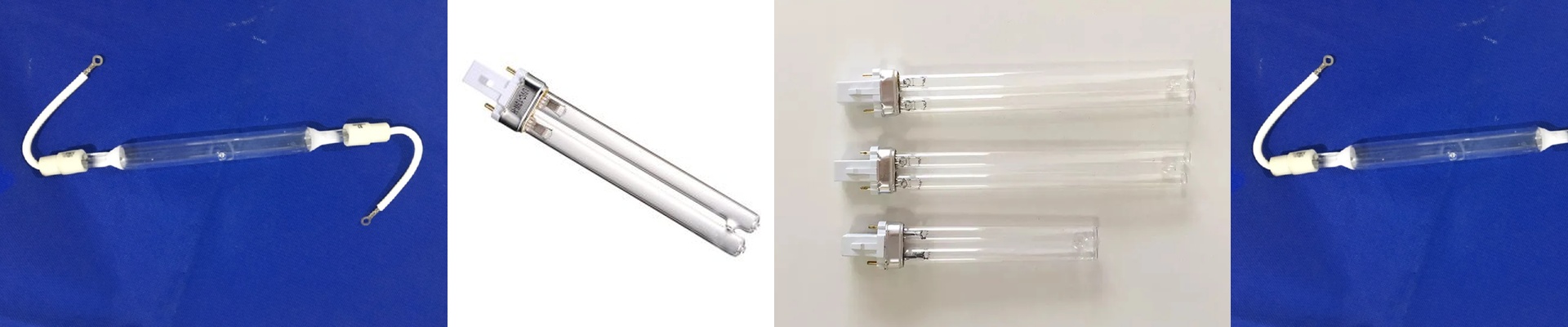
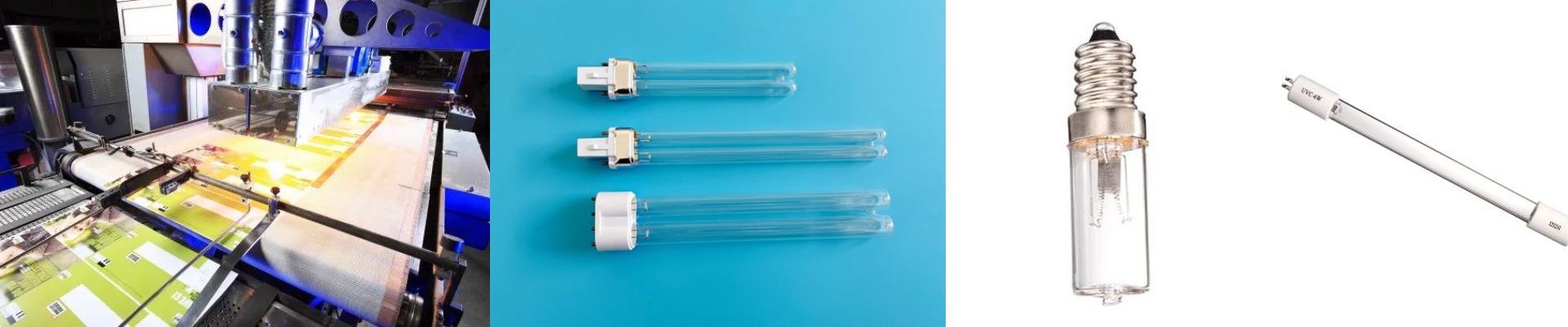
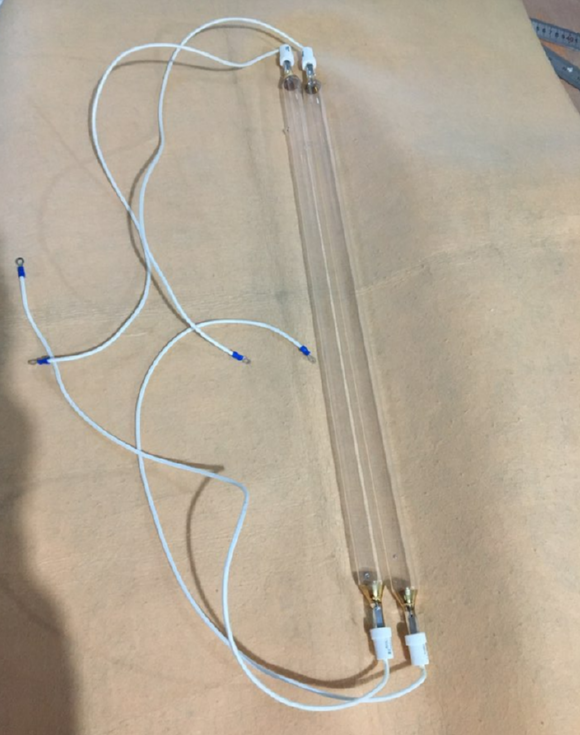
On the floor, lamp swaps and uneven cure don’t just slow you down—they cost you sheets and burn through ink. That’s why top press makers run our UV lamps as their OEM choice. We sweat the details, from the arc to the pulse. What actually matters under the hood Our dimmable mercury UV lamp systems give you control where it counts: the spectral output. Hit the wavelengths that drive photoinitiator response—365 nm for deep through-cure, 385–405 nm for the right surface-to-bulk balance. Dimming isn’t a gimmick knob. It’s stable arc power regulation that holds peak irradiance and keeps energy density (mJ/cm²) repeatable, job after job. Add ozone-free quartz envelopes and dichroic-coated reflectors, and the beam profile stays tight. You keep heat off the substrate while you deliver photons where the ink needs them. Output stays consistent over 5,000+ hours, with measured drop below 5%. Why this plays across press types Offset, flexo, and screen each want a different curing geometry. Offset needs high peak irradiance to set thin films fast—without migration. Flexo needs uniform dose across the repeat to dodge tack and ghosting. Screen needs broad, even coverage to lock down thick deposits and avoid pinholes. With our dimmable mercury systems, you can tune spectral output and dose to the chemistry and the press. One lamp platform, dialed per application. Fewer rejects, stable color, and energy use that matches the task. The field notes that save you trouble Installation is straightforward, but alignment is where people get tripped. Set lamp focus to the reflector focal line, keep the reflector clean, and make sure the power supply matches the arc length and ignition profile. It’s tempting to run full power all the time, but that shortens lamp life and drives up substrate temperature. Use dimming to hit the ink’s required dose, and schedule periodic radiometer checks so your irradiance maps stay within spec.