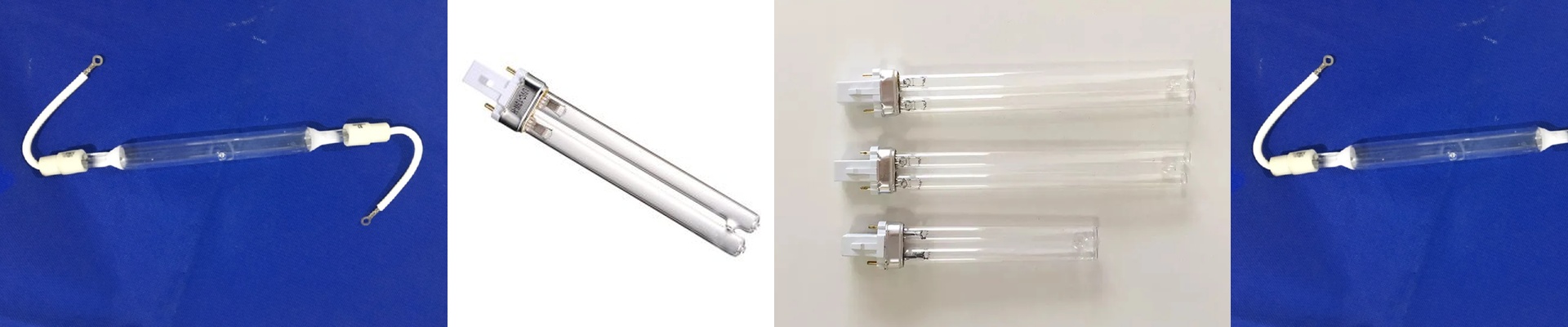
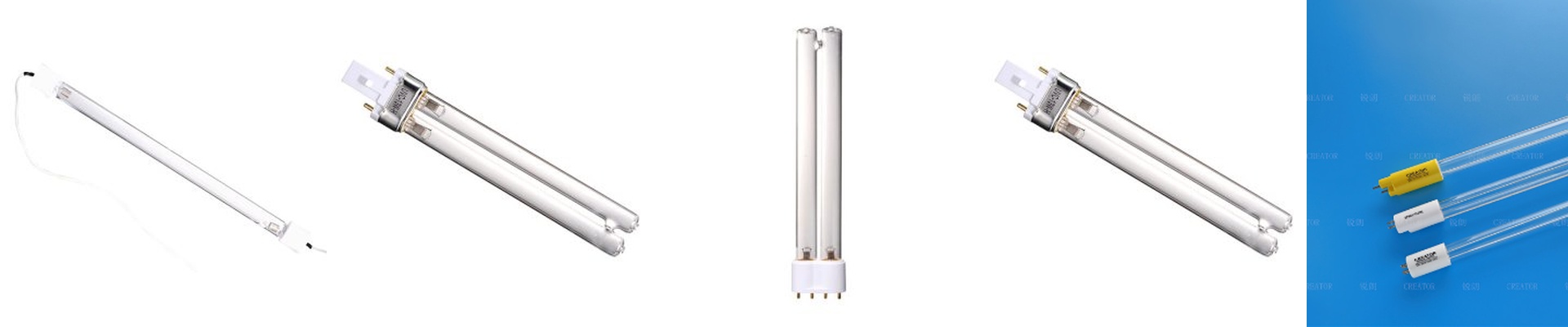
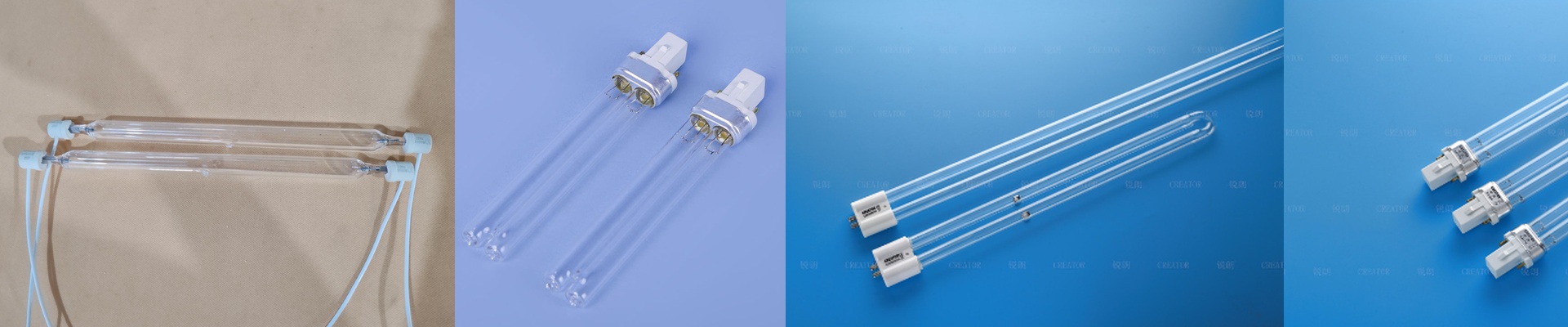
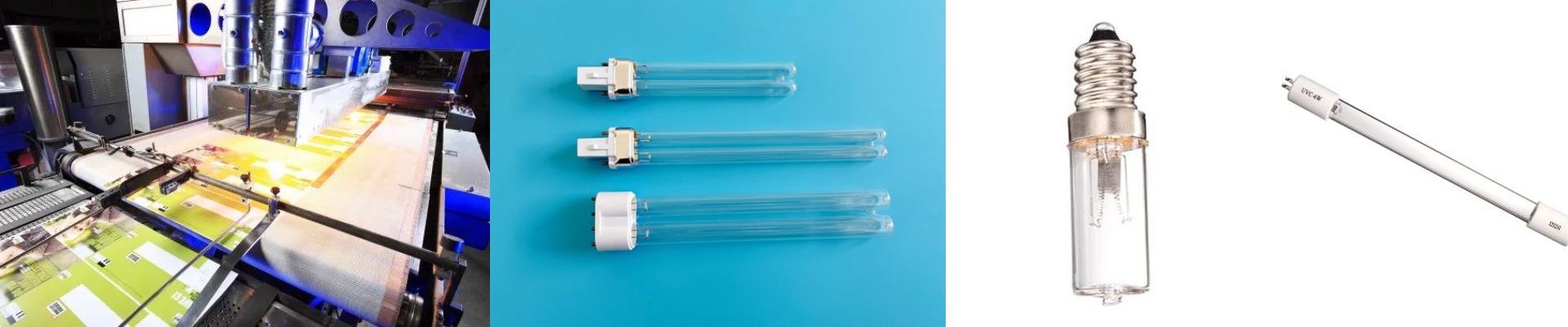
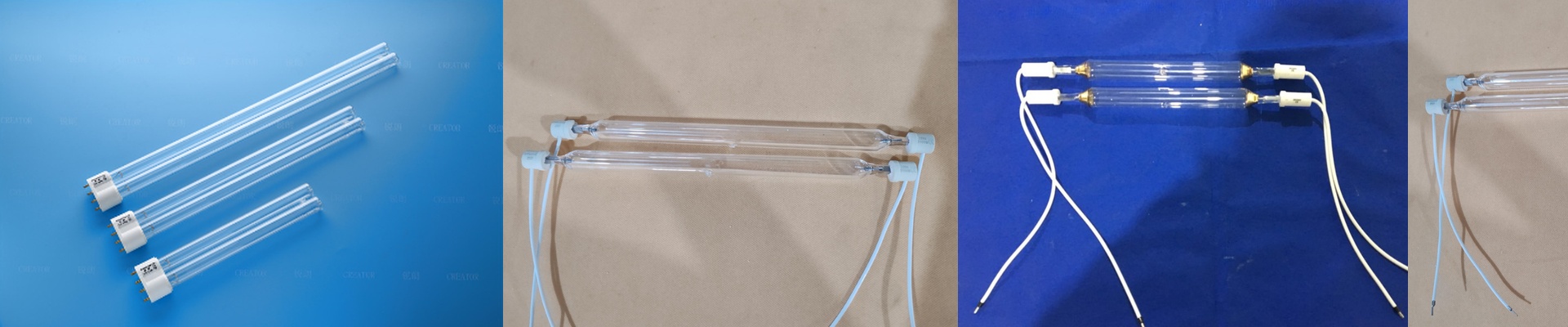
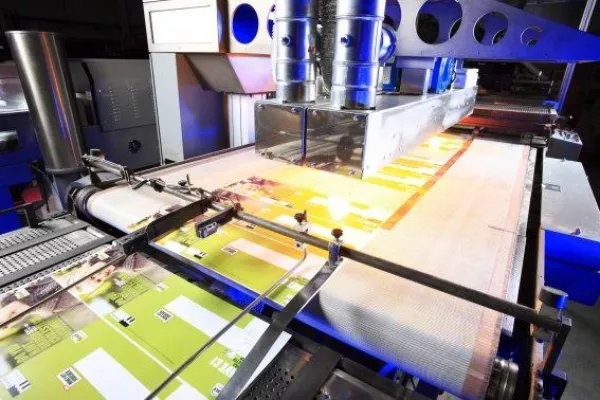
Out on the plant floor, a good cure is the difference between a finish that holds up and one that gives you headaches later. When floor coatings don’t set, you’re staring at downtime, rework, and energy going straight down the drain. We built this UV curing lamp for floor work to put repeatable, high-intensity output where it counts—right at the substrate. What matters, technically We zero in on 365 nm, the wavelength that reliably kicks off photoinitiators across epoxy, polyurethane, and hybrid floor coatings. At 20 mm working distance, peak irradiance hits 1200 mW/cm², giving you energy density above 1500 mJ/cm² in a single pass on typical 100–200 μm films. The power density is tuned to drive cross-linking without surface quenching. The lamp holds ±3% output stability over 2000 hours, backed by a high-reflectance dichroic reflector and an ozone-free quartz envelope. It’s instant-on, so you don’t chase warm-up drift, and the spectral output stays consistent. That means you hit your cure targets without constantly re-tuning to the lamp curve. Why it holds up on the line Floor coating lines move fast, and cure is what sets the pace. With this system, you can run 15–25 m/min on medium-thick coats without solvent entrapment, and surface tack drops to acceptable levels in seconds. Energy use comes down compared with hot-air or EB options, and you stretch out lamp replacement intervals, which cuts into maintenance windows. You’ll see fewer micro-defects—orange peel, fisheyes, and adhesion issues—because the photon dose stays even across the width, edge to edge. The details that keep it honest Install on a dedicated 240V line and make sure airflow keeps the quartz window under 650°C. Keep the reflector clean—irradiance drops fast when it’s filmed up. Check the substrate chemistry with the coating supplier. Pigment loading and photoinitiator choice can shift the required dose. If you’re running thick or opaque systems, plan on a dual-lamp pass or step up to a higher irradiance head. Then match the cure window to your line speed and lock it in with radiometer readings taken at the substrate plane.