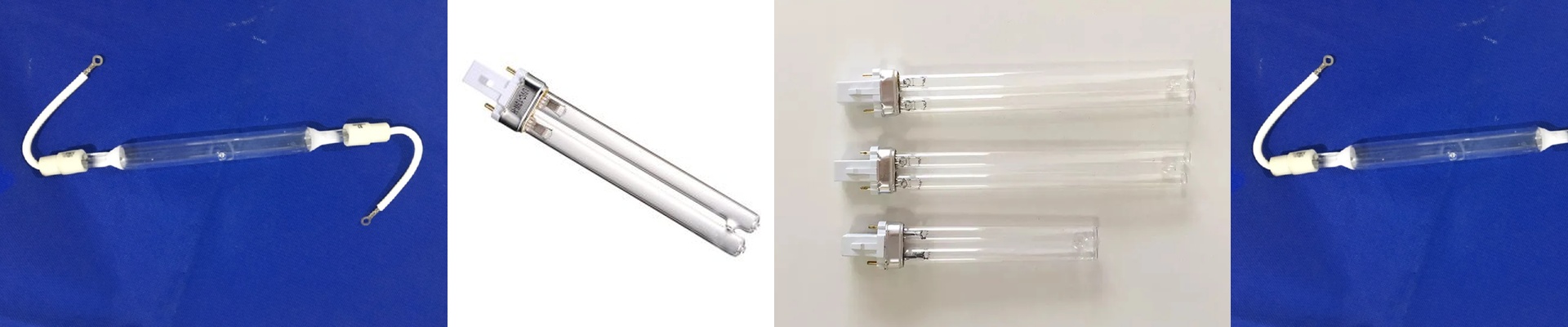
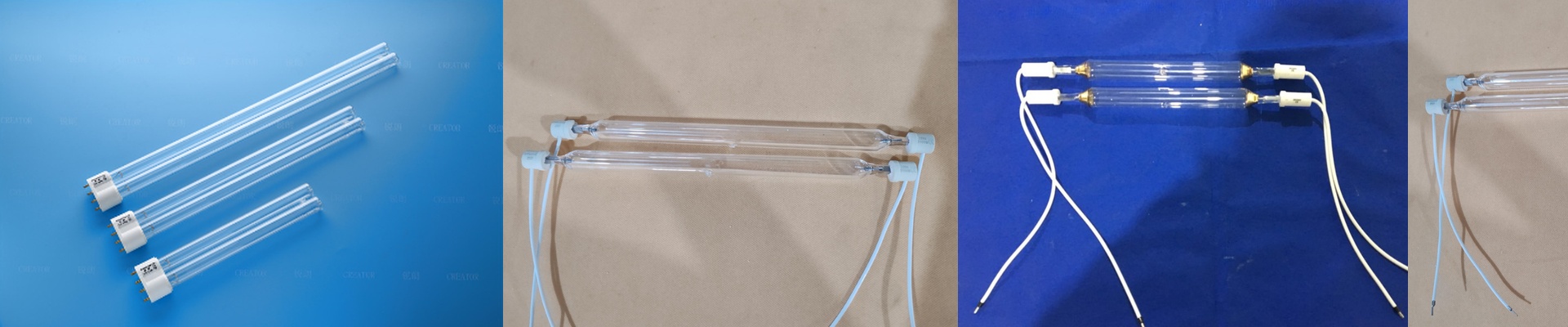
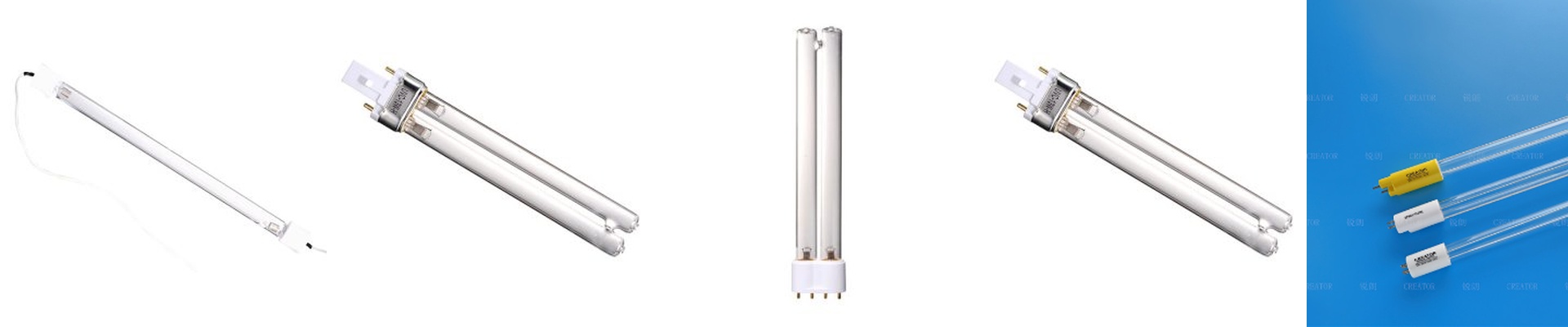
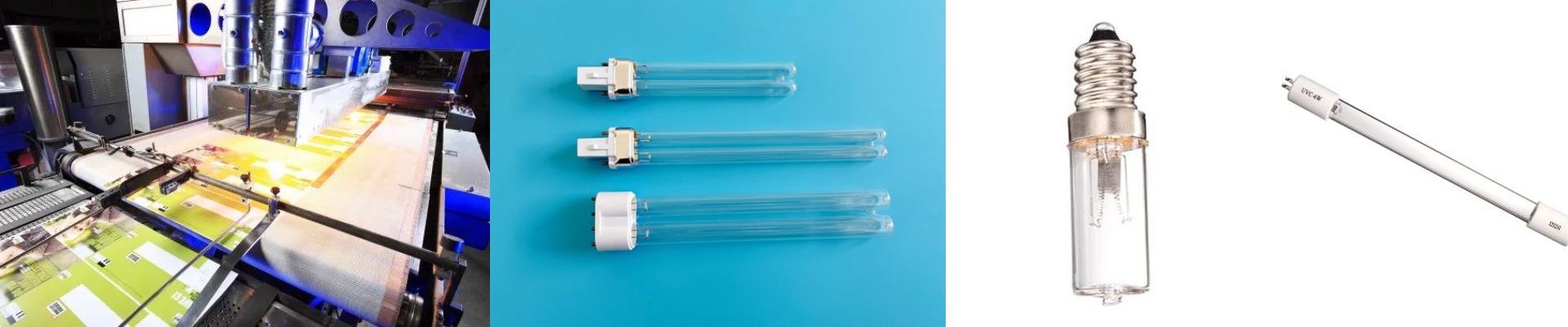
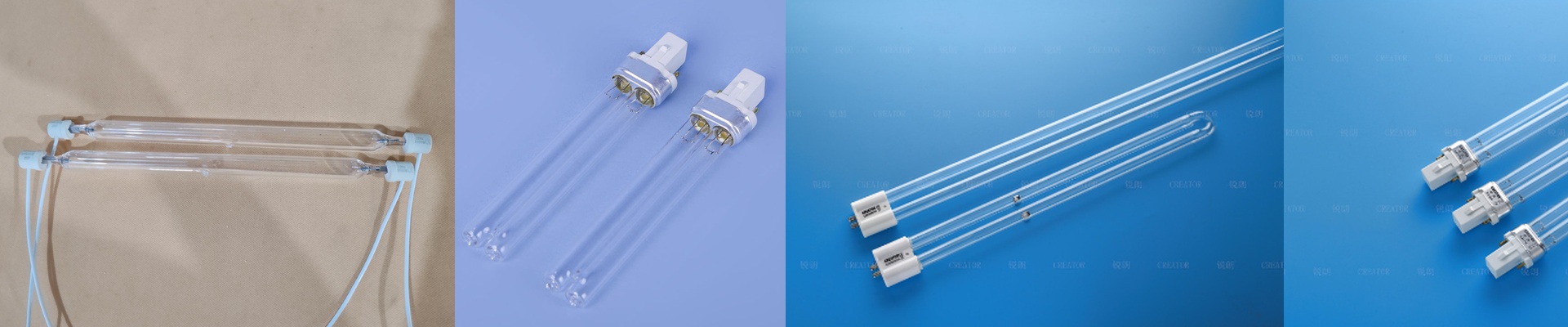
On the press floor, heat isn’t the enemy—uncontrolled heat is. When your ink’s photoinitiator package is tuned to a specific spectral window, a mismatched lamp wastes joules, spikes substrate temperature, and leaves the surface uncured and tacky. We talk aboutprecision photon energybecause it’s about matching the lamp’s spectrum to the chemistry, not chasing peak power numbers. What actually matters is the spectral distribution around the 420nm peak, not some single headline figure. That output lines up with photoinitiators that absorb strongly in the violet-blue region, so cross-linking happens efficiently without cooking the ink bed. Delivered at high peak irradiance, the energy density (mJ/cm²) lands where it triggers polymerization, while the reflector assembly and dichroic coatings shape the band and keep out-of-band IR from dumping heat onto the web. The payoff is a curing profile that stays repeatable over lamp life, with stable output and predictable dose at the substrate. Here is why this works in the real world: in UV offset, flexo, and screen, you need a cure that sets the surface without distorting film or turning the press into a toaster. A 420nm-dominant spectrum reduces free-radical overexposure, cuts down on inter-station blocking, and shortens dwell, so you can run faster with fewer rejects. Energy use drops because more of the photons are useful photons, and lamp replacement intervals stretch out thanks to controlled thermal load and stable arc behavior. A couple of things to keep straight. This lamp is chemistry-dependent, period. Before you spec, confirm your ink’s photoinitiator absorption curve and the required dose. You’ll get the tightest alignment on presses with integrated radiometry and optimized reflector geometry; retrofits often need you to re-map irradiance across the web. Output is also sensitive to reflector cleanliness and lamp positioning—hold the tolerances and schedule periodic spectral checks.