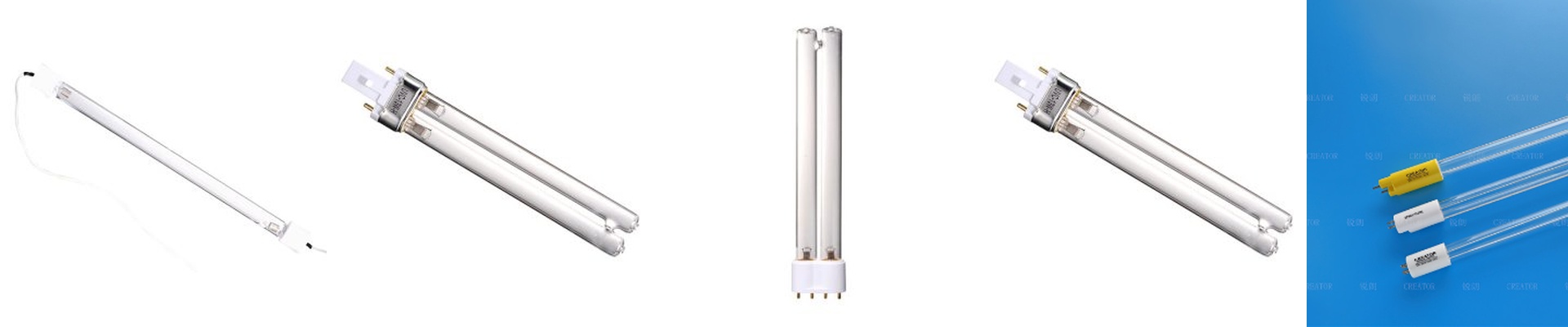
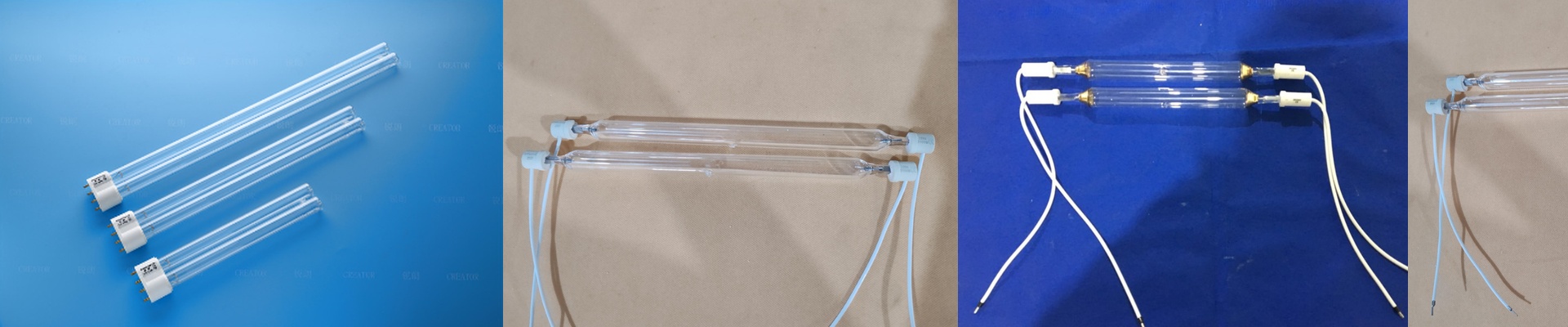
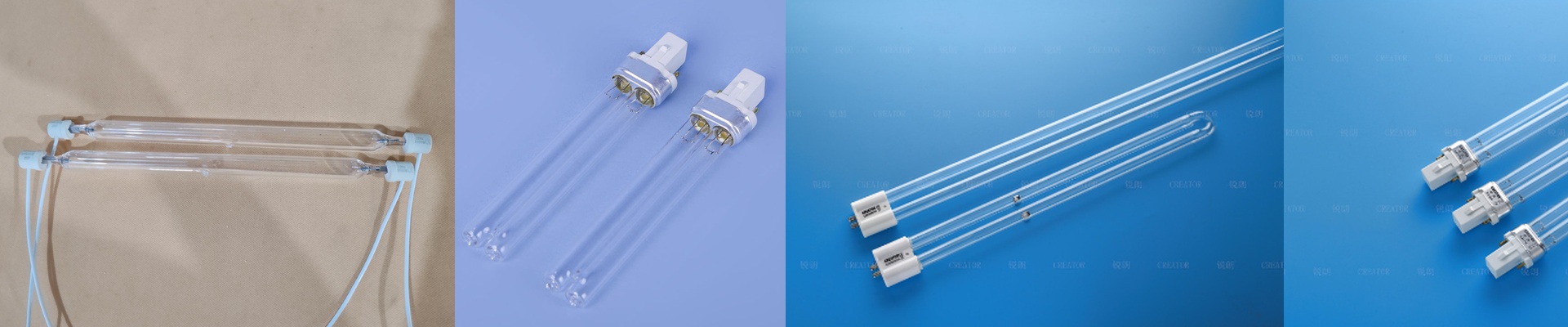
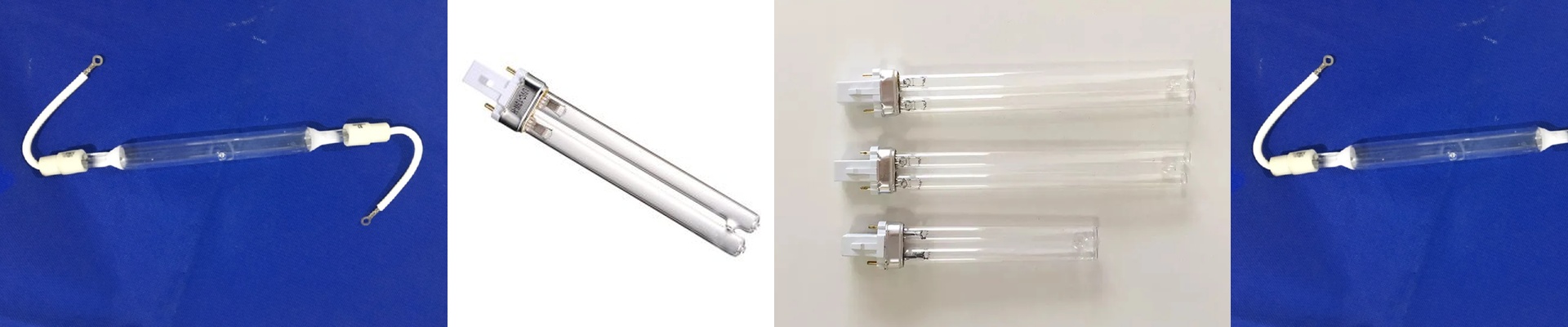
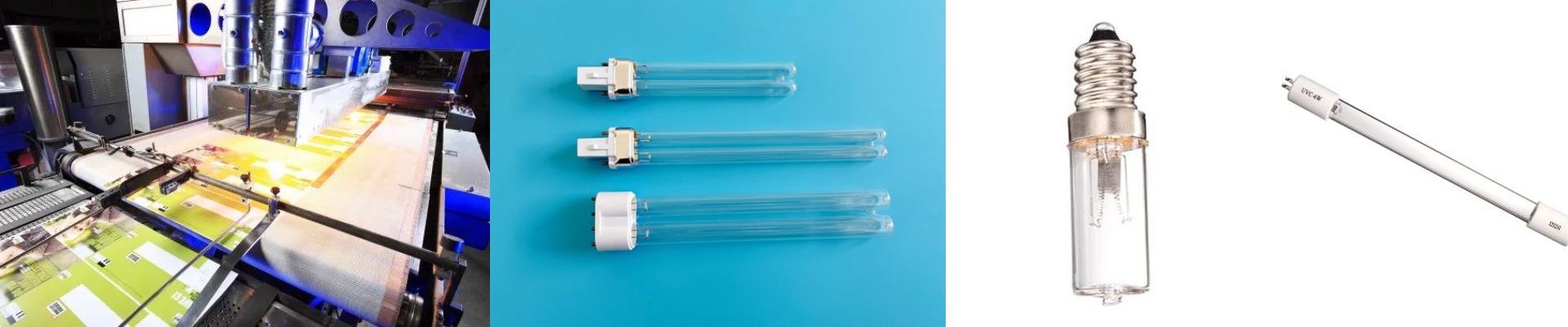
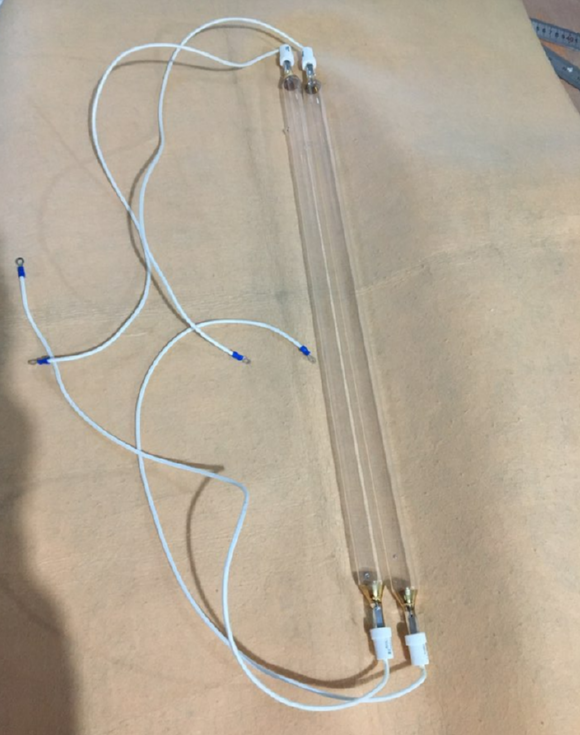
On the press floor, seconds are money. A cure that drags kills throughput, and under-cured ink comes back as scuffing, adhesion failure, and jobs that get kicked back. The UV curing lamp fixes that by dumping instant, deep-penetrating energy so the ink cross-links all the way through—in seconds, not minutes. We build the lamp around a high-pressure mercury vapor discharge, tuned to hit the photoinitiator absorption bands at 365nm and 385nm. Peak irradiance tops 12 W/cm², and the spectral output profile gets the energy through pigmented layers so you cure from the surface down to the substrate. A dichroic-coated quartz reflector pushes UV forward and keeps waste heat from becoming a problem. The system is rated for 3,000+ hours with stable output, and you can hold the drop under 8% across the life cycle if you manage lamp current and cooling the right way. Here is why it holds up in real printing: UV offset, flexo, and screen lines all run smoother when the cure is instant. No inter-station drying means you can run full press speed without set-off or off-gassing. The energy density is enough to fully cross-link even thick ink films, so you get hardness, chemical resistance, and adhesion that survive post-processing. The payoff is consistent quality, fewer reprints, and a lower energy draw per printed part compared to broad-spectrum or IR-heavy setups. Matching the lamp to the press isn’t optional. Check arc length, reflector geometry, shutter interface, and power supply compatibility. Expect a warm-up curve—output only stabilizes once the arc hits thermal equilibrium. Keep the lamp idled at the right standby power, or follow the proper purge before a re-strike. Ozone-free designs cut down on ventilation demands, but you still need proper shielding and interlocks because the UV intensity is serious. And plan on reflector maintenance: contamination or oxidation bleeds delivered energy and stretches cure time.