On the shop floor, metal and glass jobs go south fast when the glue line won’t cure the way it should. Too little energy, a spectrum that doesn’t line up, and a dose window that’s too narrow leave the adhesive under-crosslinked. Adhesion tests miss spec, and the rejects pile up.
What matters, technically
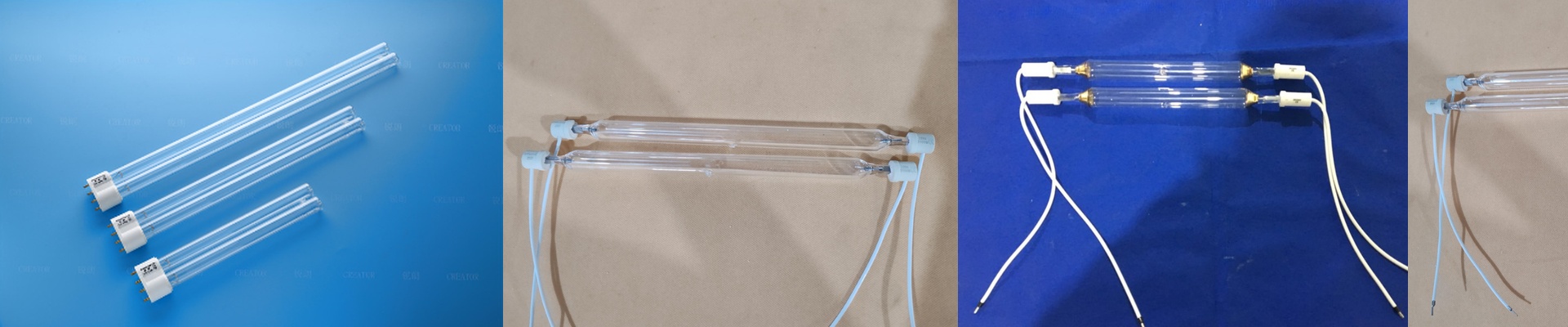
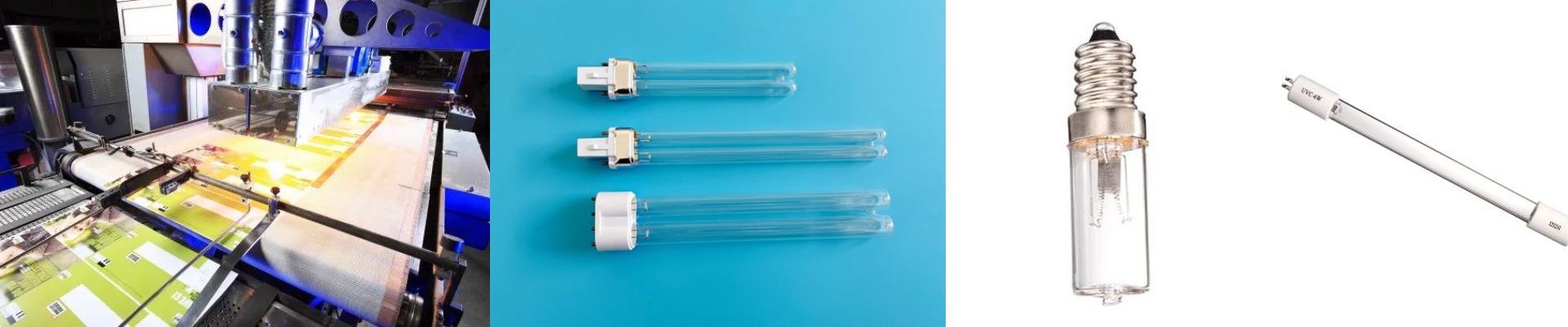
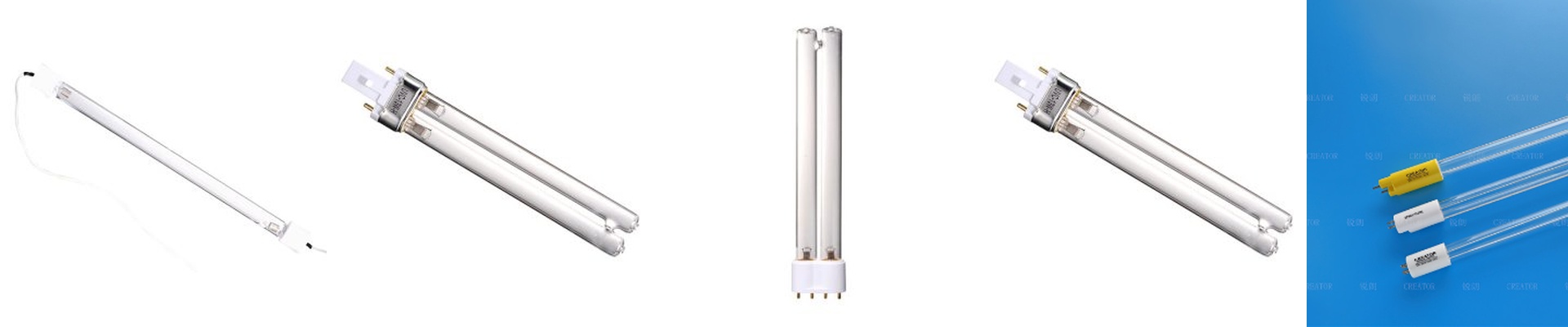
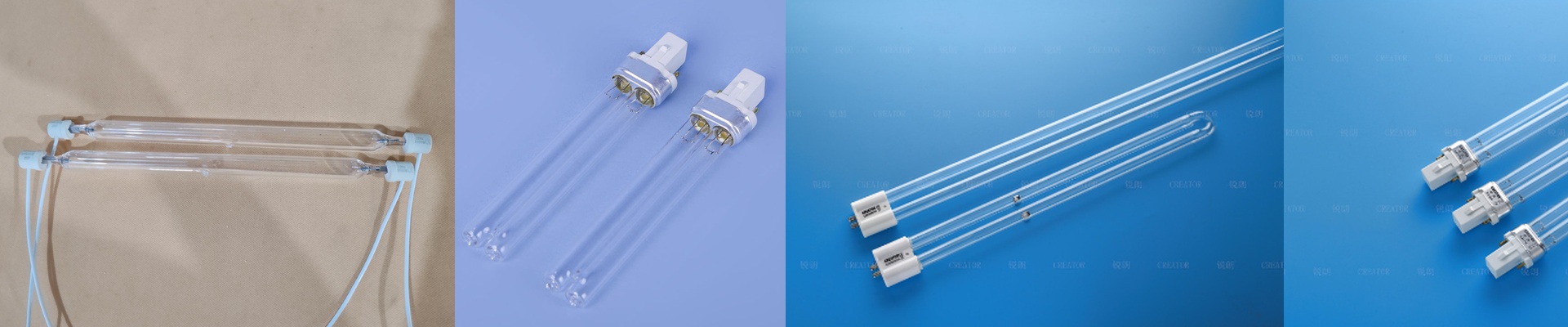
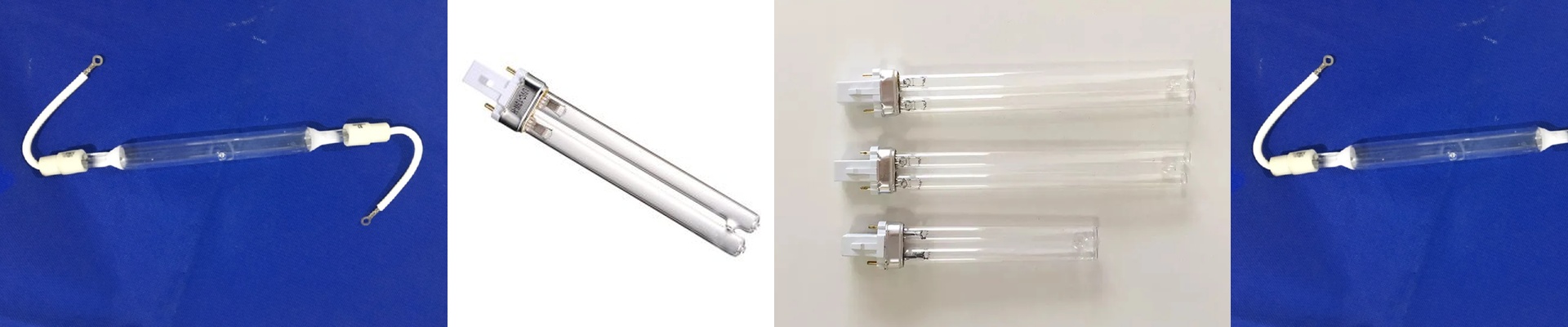
We build UV curing lamps for adhesive and coating systems that have to stick to tough substrates. The key is matching spectral output to the photoinitiator package: 365 nm for deep through-cure, 385 nm for surface cure and pigmented systems, and 405 nm for cationic chemistry. Peak irradiance tops 12 W/cm², putting 1000–3000 mJ/cm² on the bond line in one pass. High-purity quartz sleeves and dichroic-coated reflectors shape the beam and keep output where it needs to be, while ozone-free operation keeps the line clean.
Why this hits on metal and glass
Metal and glass are unforgiving—surface energy and thermal behavior don’t give you any slack. With high photon flux, the lamp drives complete photoinitiator consumption, so you get rapid cross-linking even on thick glue lines and dark pigments. Bonds come out repeatable and strong, cycles are faster, and adhesion failures drop. Energy use goes down because cure time shortens, and lamp life holds steady at 5000+ hours with controlled output decay.
The details that keep you out of trouble
Match the lamp’s spectral output to the adhesive’s formulation. If they don’t line up, you’re wasting photons and leaving uncured residue. Check reflector alignment and dose at the substrate plane, not at the lamp window. Heat is real—cooling has to keep the substrate temperature inside the adhesive window. When you integrate with an existing press or bonding station, verify connector type, arc length, and power rating. Get any of that wrong, and you’re buying downtime.