Getting UV Curing Right for Textile Printing
Let’s be honest: curing ink on fabric is a bit of a balancing act. You need enough punch to set the ink, but not so much that you end up scorching your fabric. It’s a tight line to walk.
Finding the Sweet Spot
When you’re running a high-speed line, it all comes down to the wavelength. We usually stick to the 365nm to 395nm range. Why? Because that’s where the magic happens for ink penetration. If you under-power the lamps, you’ll end up with ink that just rubs right off the cloth. Total nightmare. But if you crank it too high? You risk turning your crisp white fabric a nasty shade of yellow. We spend a lot of time dialing in that power density so you get a fast cure without cooking the material.
Why the Glass Matters
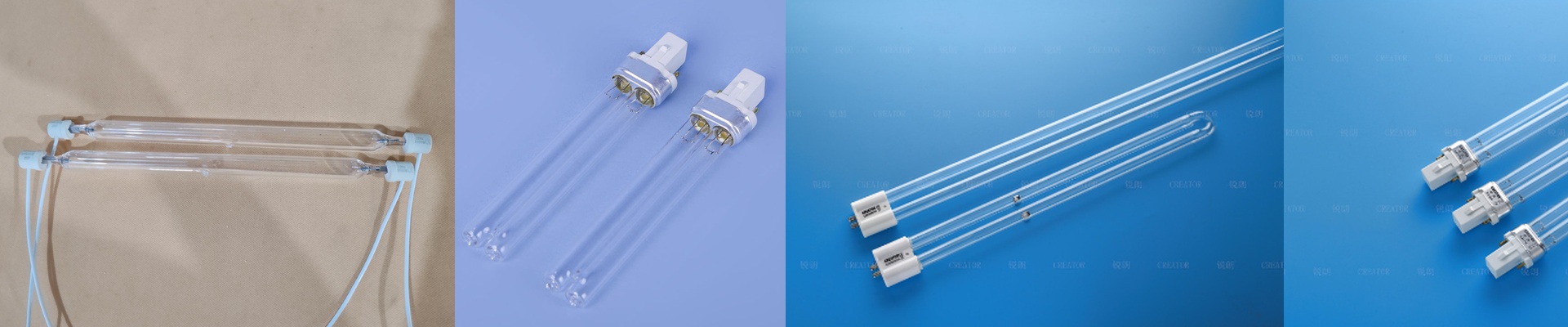
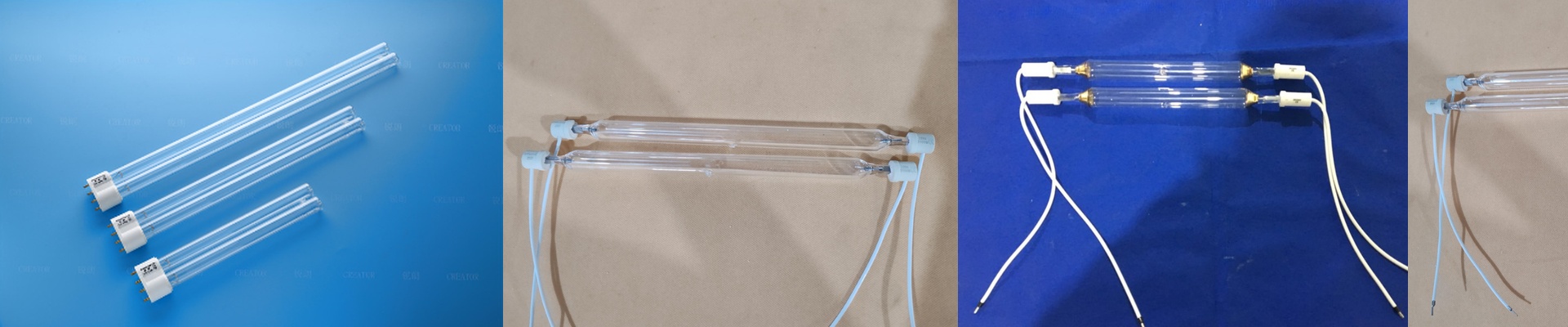
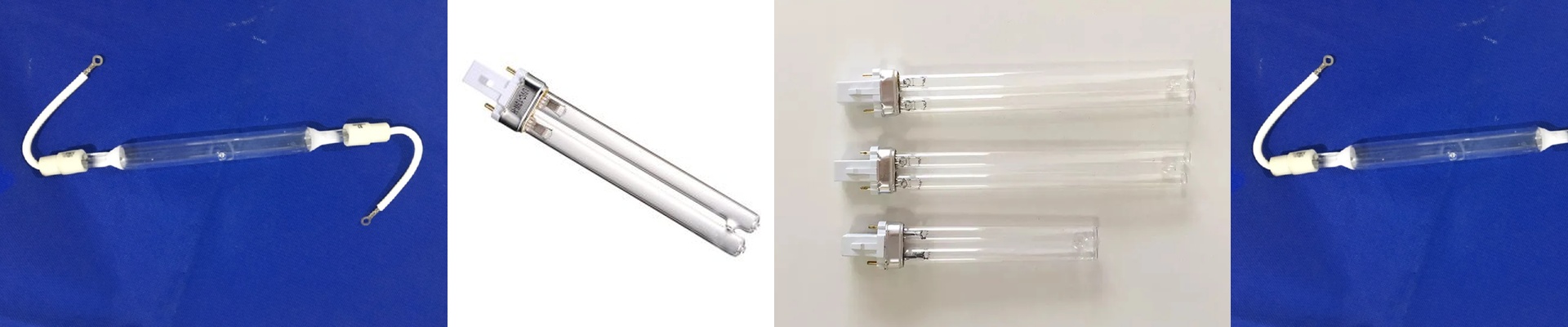
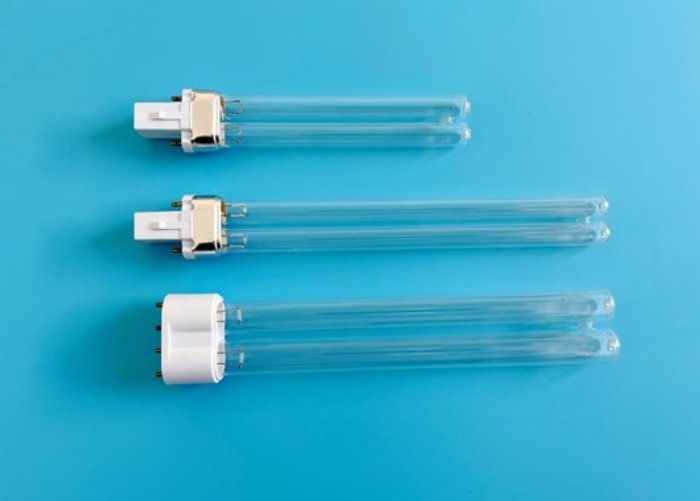
We use high-purity fused quartz for our lamp envelopes. Regular glass just blocks the UV rays, so quartz is the only way to go. But here’s the thing: these lamps get hot. Really hot. That constant heating and cooling puts a massive amount of stress on the tube. We’ve tweaked the wall thickness specifically to stop the quartz from cracking when you’re flipping the power on and off. One quick tip:**Keep your reflectors clean.**If dust builds up, the heat traps back onto the quartz. That’s a one-way ticket to a burnt-out lamp.
Keeping Things Running
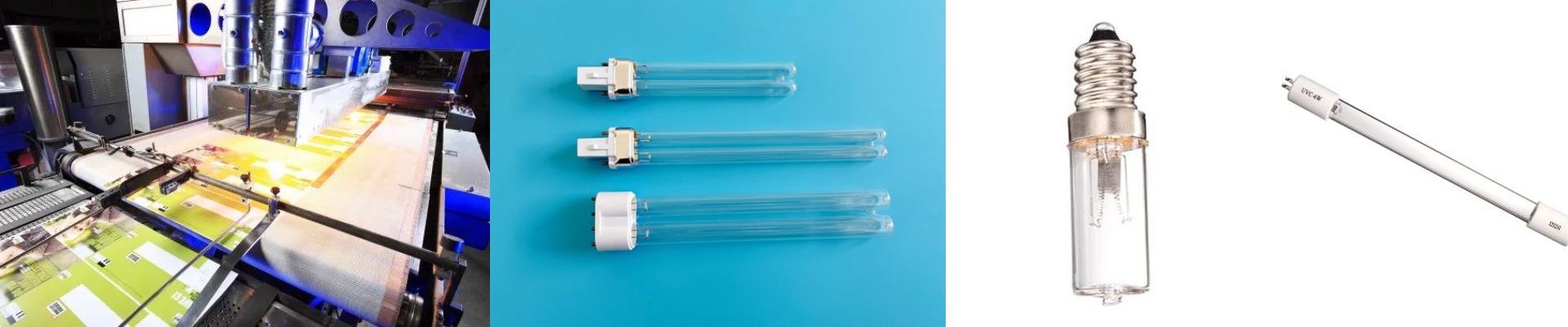
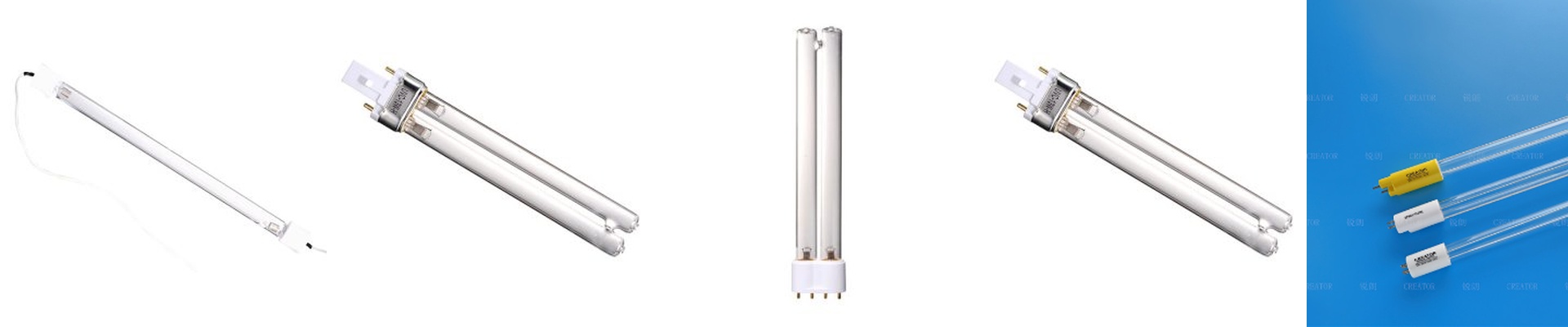
Our lamps are built to slide right into the industrial frames you already have. No fuss. But pay attention to the electrical contacts. A loose connection at the end caps can cause arcing, and that’ll kill a lamp in no time. It’s also worth popping the hood every few months to check your ballast settings. If your voltage is off, you’re basically throwing away 20% to 30% of your lamp’s lifespan. And for heaven’s sake, keep those cooling fans spinning. Without a steady stream of air, the heat builds up and can mess with your colors before the ink even has a chance to set.