Forget the “Station” Mentality: A Better Way to Handle UV Curing
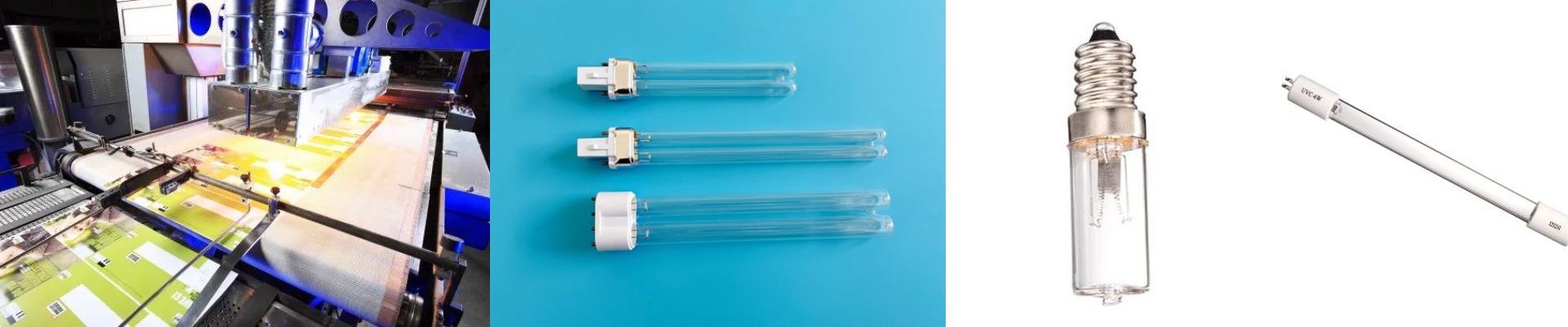
Most shops just treat UV curing as another stop on the assembly line. A place where things go to get dried. But we look at it differently. For us, it’s more about precision and data. It’s not just about blasting a part with light; it’s about making sure every single inch of that surface is cured exactly the same way, every single time.
Growing Your Setup Without Starting Over
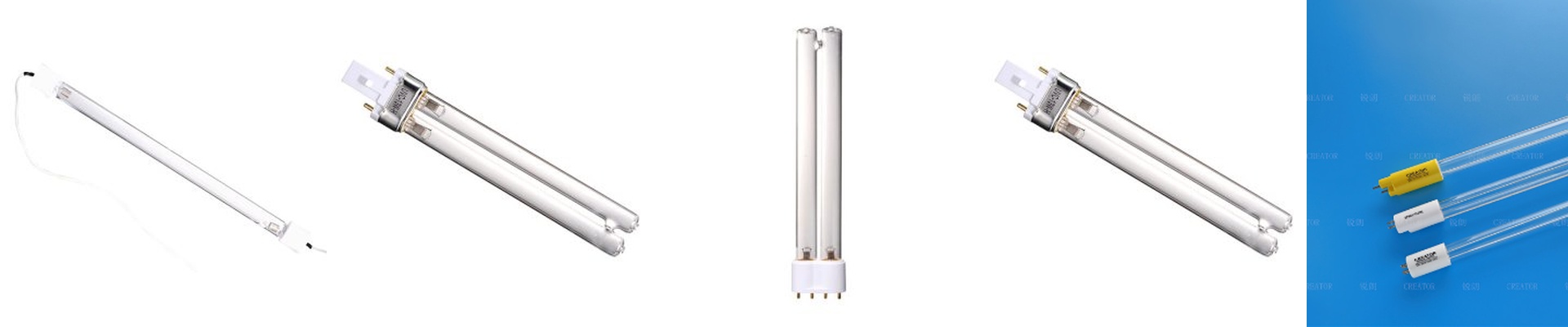
We build our systems on a modular chassis. Why? Because your business changes. Maybe today your conveyor runs at 2m/min and you’re happy. But then you land a huge contract and need to bump that up to 5m/min. In the old days, you’d have to scrap your machine and buy a new one. Not here. You just add more modules. It’s that simple. One thing to watch out for, though: heat. When you cram a lot of power into a small lamp head, things get hot—fast. If you don’t get your exhaust fans or water-cooling loops dialed in to match your wattage, you’re going to end up warping your parts. And nobody wants that.
No More Guessing Games
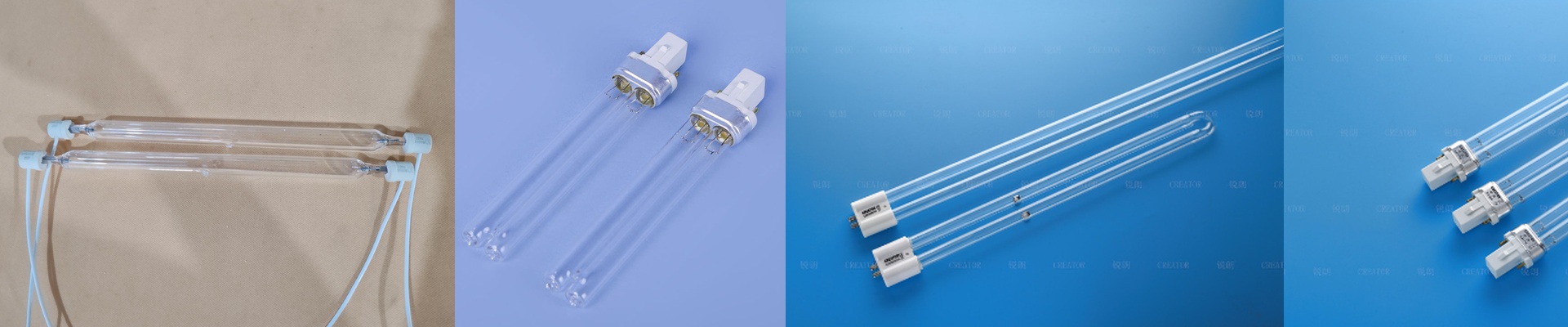
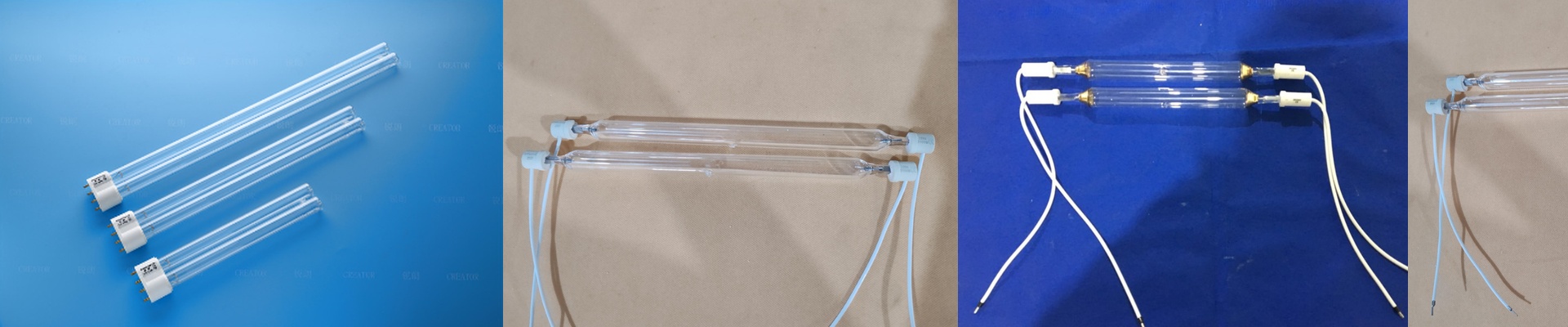
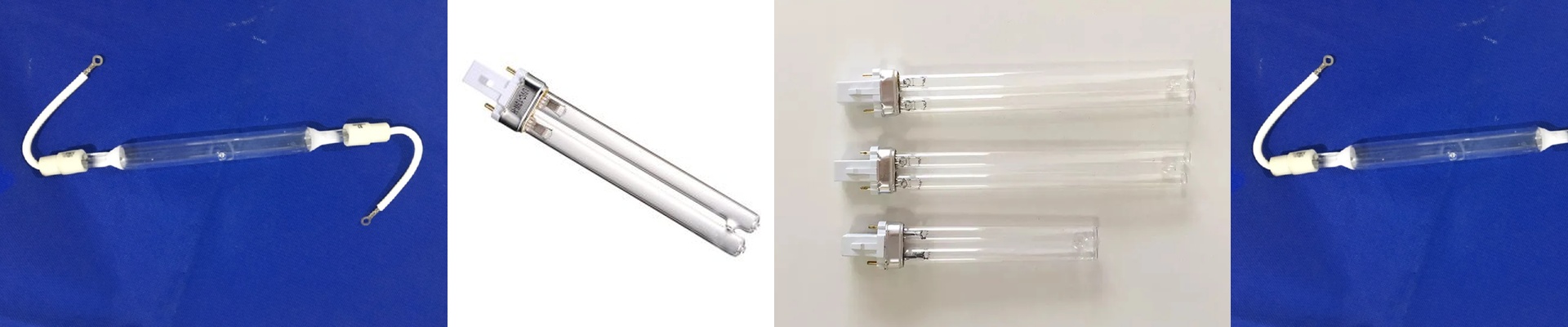
We’ve all been there—staring at a bulb and wondering, Is this thing still putting out enough power, or is it dying? That’s why we put digital timers and intensity sensors right into the frames. You can see the lamp decay happen in real-time. When the milliwatts per square centimeter (mW/cm²) start to dip, the system tells you. No more guessing. No more “hope it’s cured” quality checks. And we kept the wiring dead simple. We use standardized connectors, so if you need to swap a part, it’s a quick drop-in replacement. Less time tinkering with wires means more time actually shipping product.
Making it Work for Your Gear
Whether you’re coating PET or working with medical-grade adhesives, the goal is the same: get the cure depth right. You can tweak the wavelength or move the lamp closer to the part to find that sweet spot. If you’re running a thick resin, you’ve got two choices: slow down the line or add more modules. It’s all a balancing act between hitting it with enough energy and keeping the heat under control.