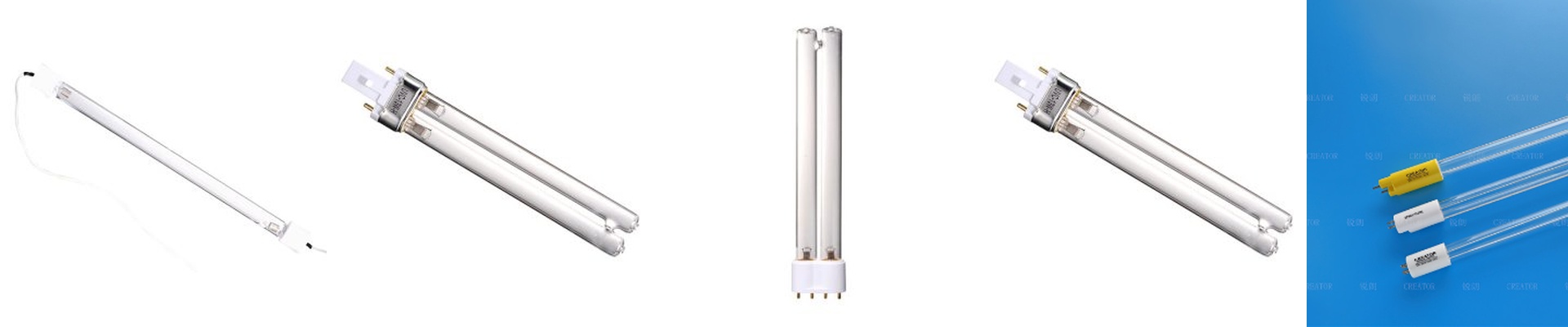
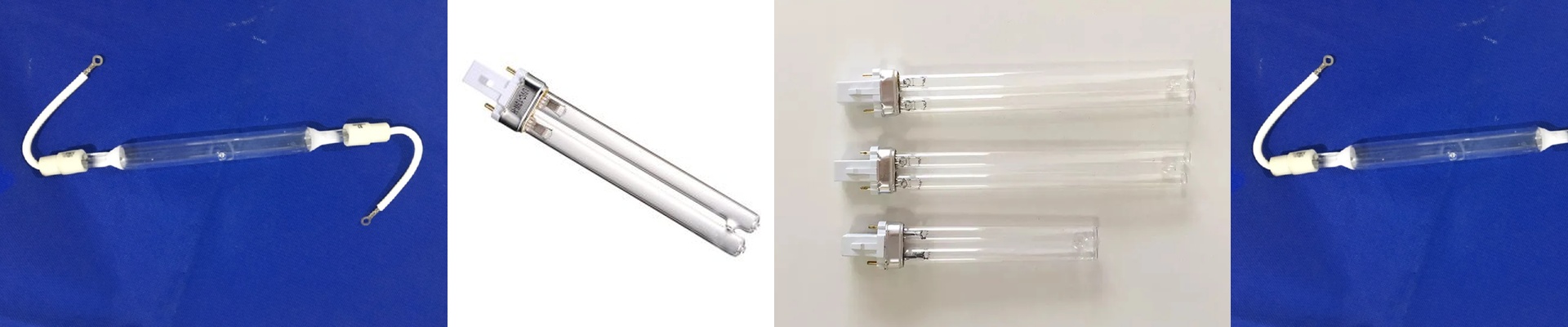
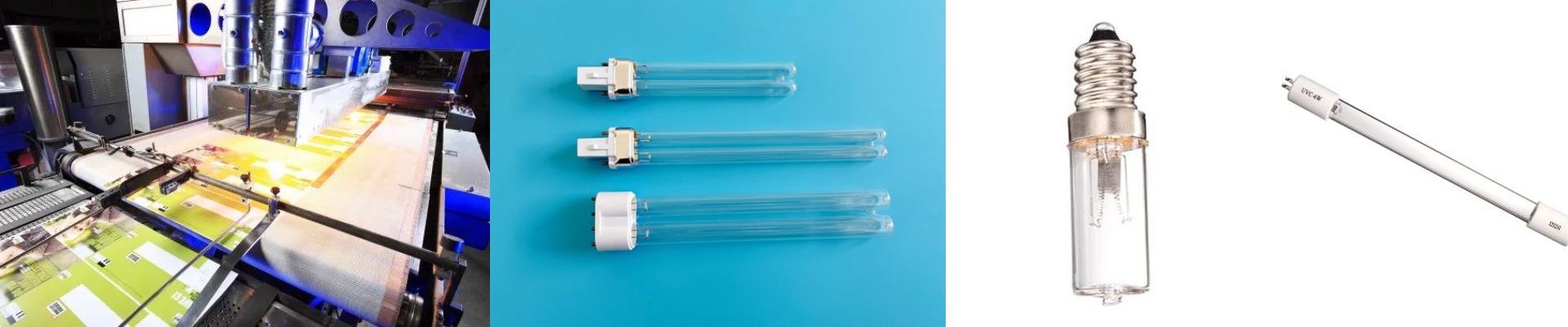
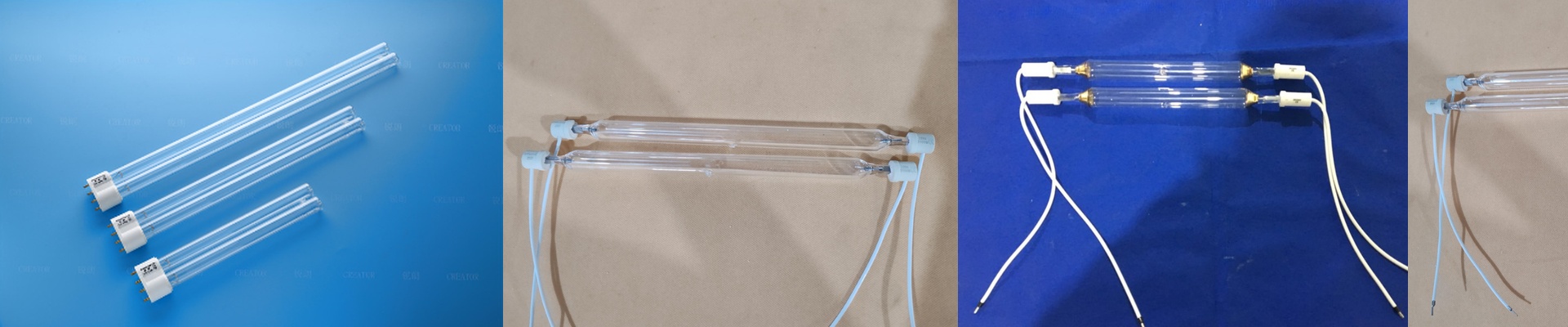
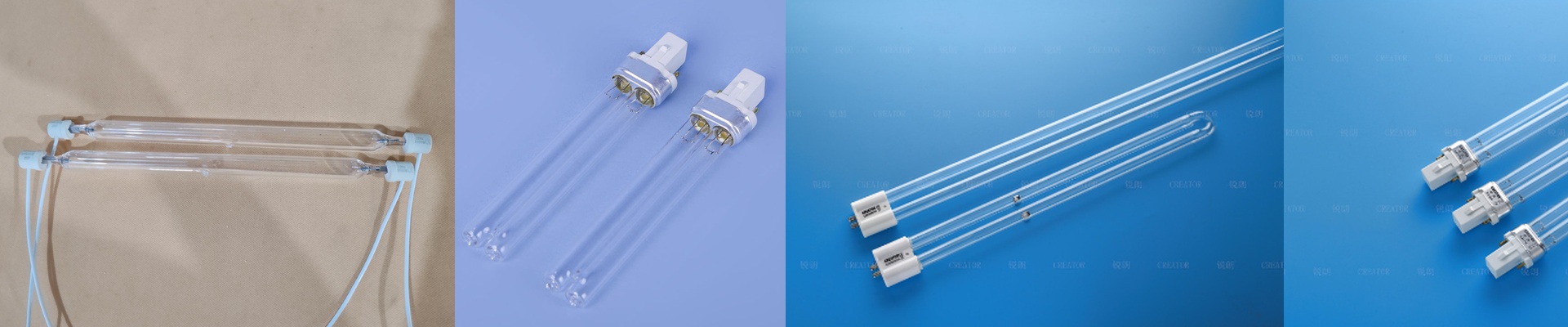
Walk the line from fabric roll to finished garment, and UV curing is everywhere—quietly doing the heavy lifting. Inks set instantly. Coatings harden. Adhesives lock. When the lamp underperforms, the whole line coughs: colors smear, speeds drop, and rejects stack up. Gallium iodide UV lamps take that risk off the table with spectral control built for actual production, not lab theory. Here’s the technical part you can trust. The chemistry is in the fill. Gallium iodide pushes the dominant output into the 385–405 nm band, giving you a sharp peak and a short long-wave tail. That means less surface heat, less ozone, and better penetration through thick ink films. Pair that with a dichroic reflector, and peak irradiance climbs right where you need it, delivering higher energy density (mJ/cm²) for faster cross-linking. In the real world, you get a stable cure window across the web, and less drift as the lamp ages. Why it fits so well comes down to matching the process. In screen on thick textiles, that 385–405 nm band cures the bulk without scorching the surface. In flexo on thin films, the narrower spectrum keeps substrate temperature in check while preserving ink release and dot integrity. In offset, the same lamp supports rapid set-on-press, cutting set-off and letting you run faster. You end up with consistent throughput, lower energy per unit, and longer lamp life—often 5,000+ hours before output dips below the threshold that causes photoinitiator failure. One practical heads-up: Gallium iodide lamps are picky about ignition and ballast matching. Stick to the specified ballast and connector, double-check reflector alignment, and confirm the spectral curve matches your ink’s photoinitiator absorption. Run outside the rated power window and the peak flattens, life shortens—so treat it as an integrated system, not a simple bulb swap.