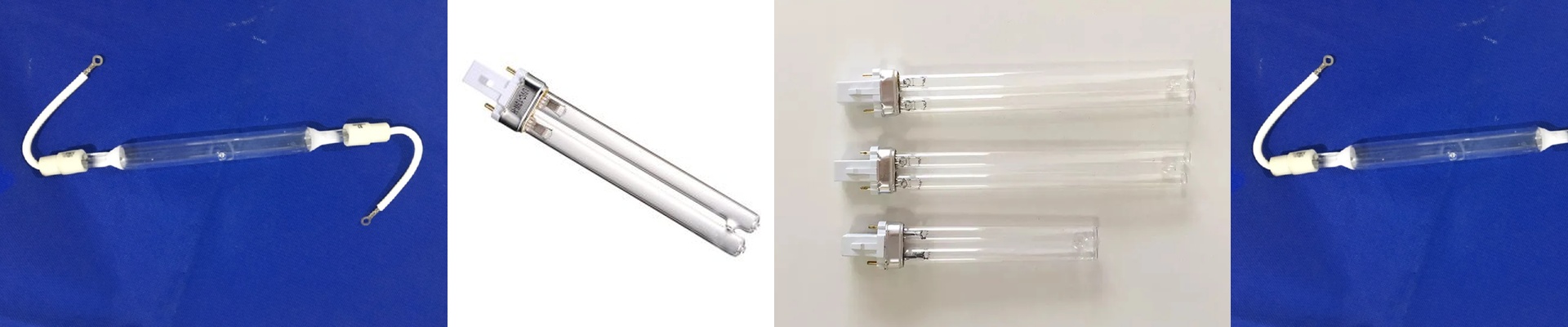
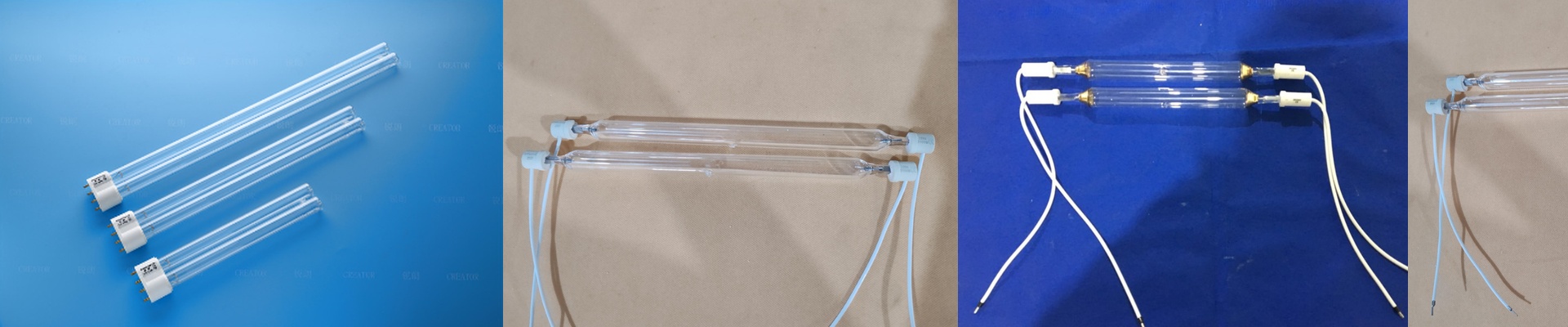
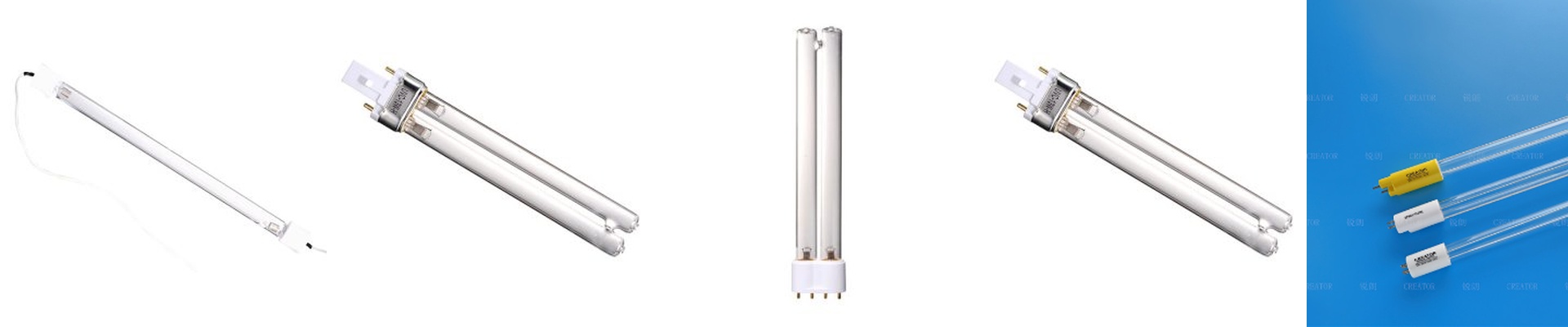
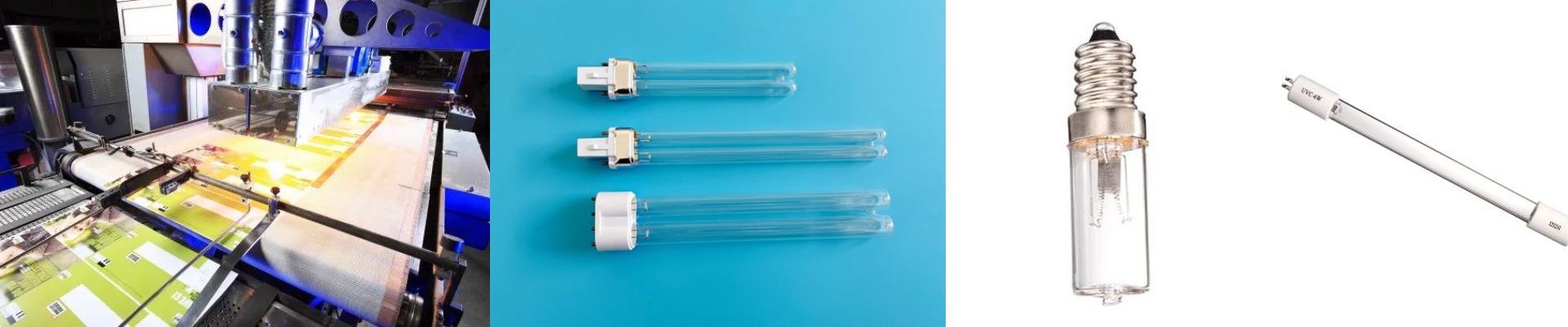
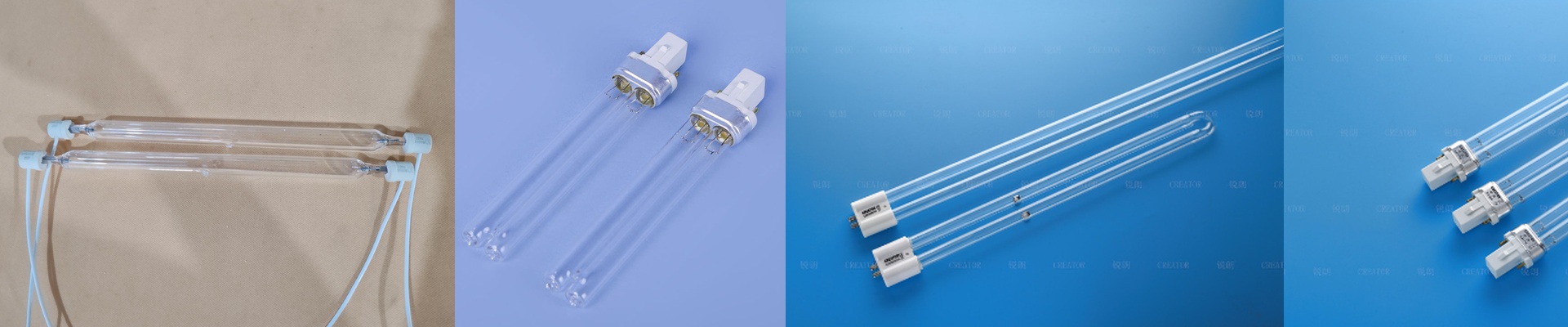
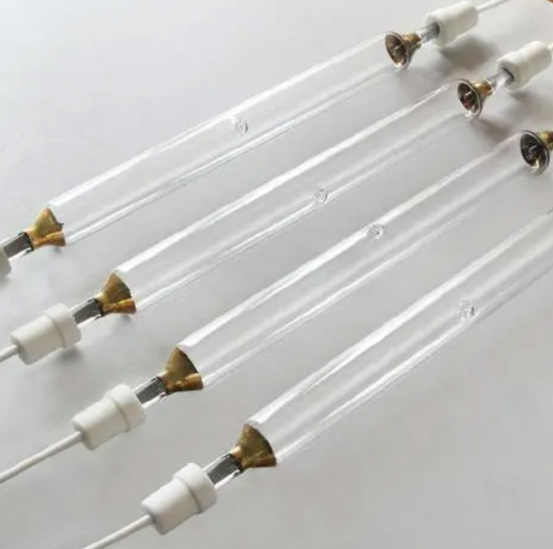
On the press floor, a Primarc UV lamp is more than a consumable. It’s the control knob for cure speed, adhesion, and heat load. When output starts drifting, you feel it fast—pinholes in flexo, tack showing up on screen, or offset ink that just won’t surface-cure. We don’t just ship a replacement lamp. We come in, run a field diagnostic, and match the lamp to the reflector so spectral output stays stable. What matters, technically, comes down to details. Our mercury vapor lamps are built to the same envelope geometry and arc gap as the original, so the spectral output lines up with the photoinitiators in UV offset, flexo, and screen inks. You get stable peak irradiance at 365 nm, consistent energy density (mJ/cm²) across the web, and heat that stays under control at the substrate. We match base wattage, voltage, and connector interface, and we specify reflector dichroic coatings to put the dose where it belongs—on the ink, not on the blanket or plate. Here’s the payoff: repeatable cure without chasing lamp curves. In practice, that means fewer stops to manage tack, less off-spec cure on coated stocks, and stable cure even when you push press speed. We measure life by stable hours, not just runtime. With clean, aligned reflectors, we regularly see 5,000+ hours and under 5% output drop. Energy use falls because the system isn’t over-curing to make up for a weak lamp, and fewer lamp swaps cut downtime and maintenance labor. A few things to keep straight. Cure performance depends on the whole optical train. Install the lamp with clean contacts, confirm reflector alignment, and measure with a spectral radiometer at the substrate plane. Output is sensitive to airflow and ambient temperature, so keep intake filters clean—otherwise lamp temperature drifts and spectral output goes with it. Before ordering, verify the exact Primarc model and wattage. Connector pins and base dimensions have to match, and ozone-free variants need compatible housings.