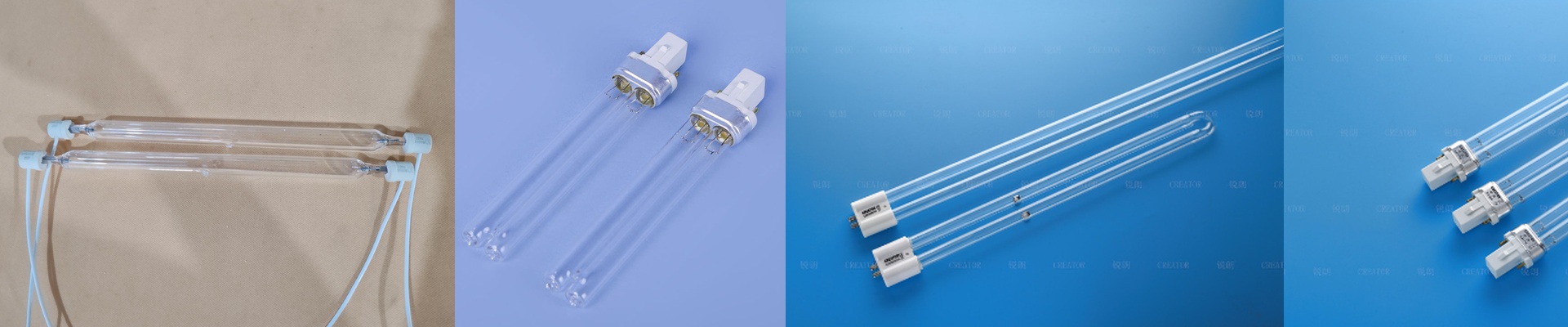
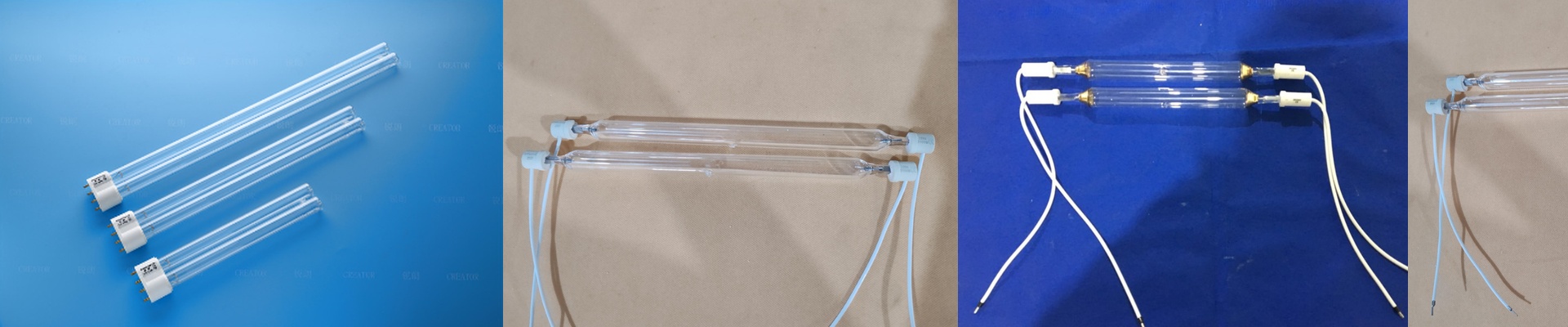
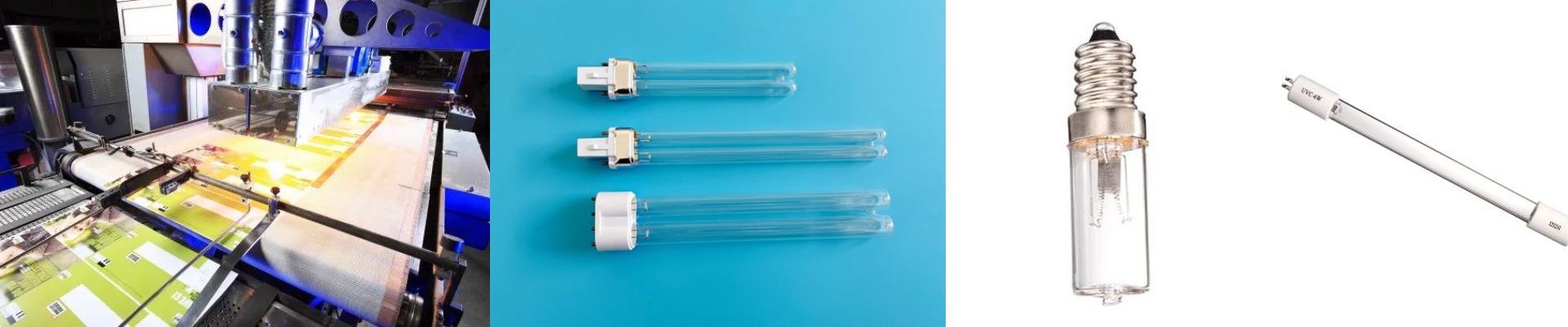
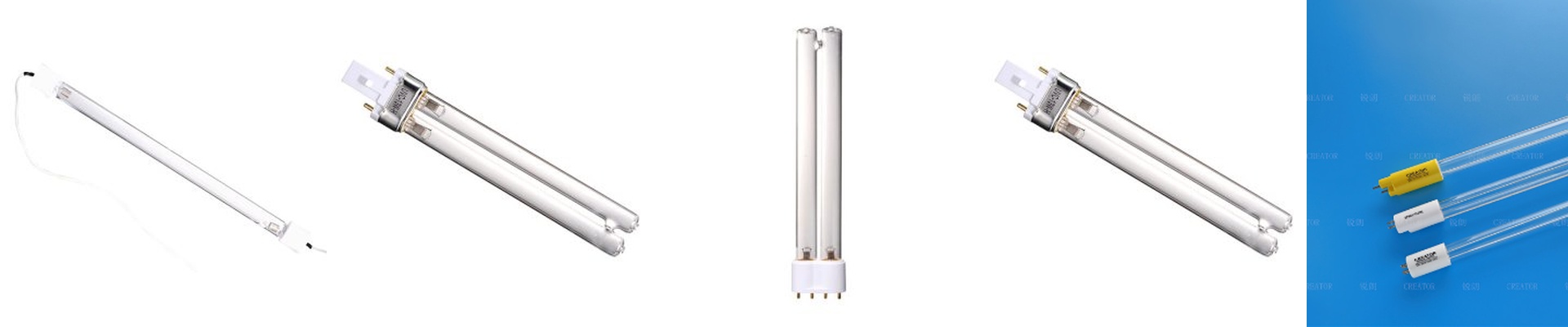
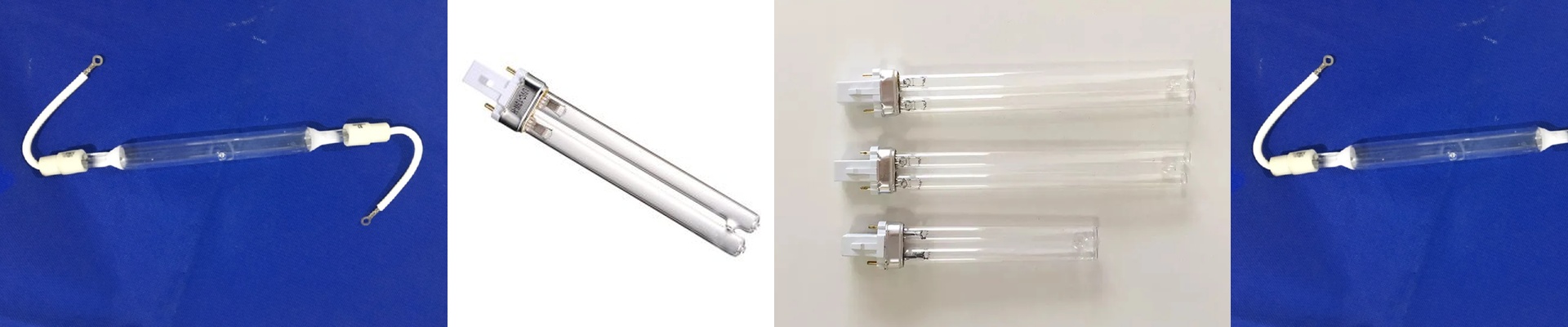
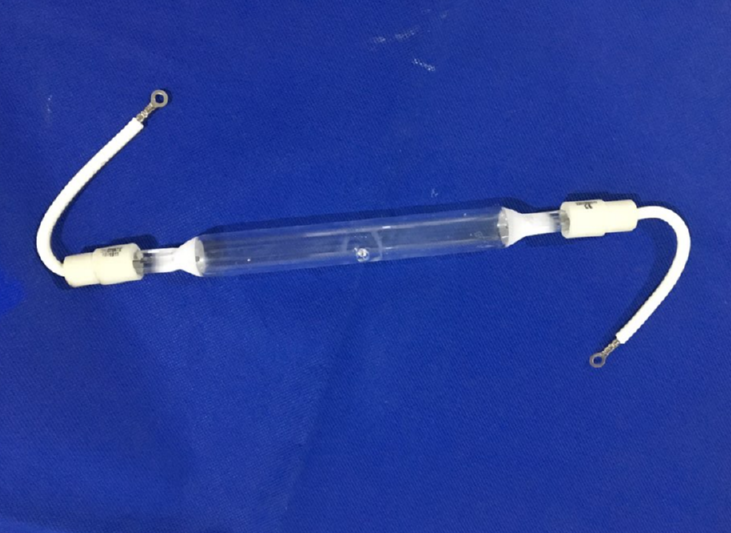
On the production floor, medical device manufacturing doesn’t leave room for process drift. One under-dosed sterilization cycle is all it takes to trigger a recall—or a compliance finding. The Western Quartz UVC lamp, CE-certified, is built to keep germicidal energy repeatable and measurable, with spectral control you can bank on. What matters, technically We start with a high-purity quartz envelope that transmits the germicidal wavelength at 253.7nm with minimal absorption loss. Keeping spectral purity tight means we suppress unwanted output, which cuts down on photolytic byproducts and keeps the lamp ozone-free. Peak irradiance at the target plane is engineered to exceed 120 μW/cm² at 1 meter, and dose repeatability holds within ±3% across the lamp life. Filament geometry and mercury vapor pressure are tuned for stability, so you get a flat performance curve—not that hard drop-off you see after 1,000 hours. Why it holds up in medical work In this field, documentation and consistency are non-negotiable. The lamp delivers a predictable dose window that lines up with ISO and CE requirements, so validation and routine monitoring stay straightforward. Operators get shorter dwell times without cranking up temperature, which matters when you’re running heat-sensitive polymers and optics. Energy use falls because the system turns input power into targeted UVC output, not broad-spectrum heat. And you’ll change lamps less often. We’ve got installations running 5,000+ hours with under 5% output decay, measured against traceable radiometers. What to watch on install and daily use Alignment and cleanliness matter. If the dichroic reflector has even a film of dust, output scatters and the dose at the target takes a hit. The lamp is sensitive to ambient temperature, too. Below 15°C, warm-up stretches out, and dose stability can drift until the system reaches thermal equilibrium. Also, confirm ballast compatibility. Electronic ballasts with matched impedance give you the most stable arc and the cleanest spectral profile.