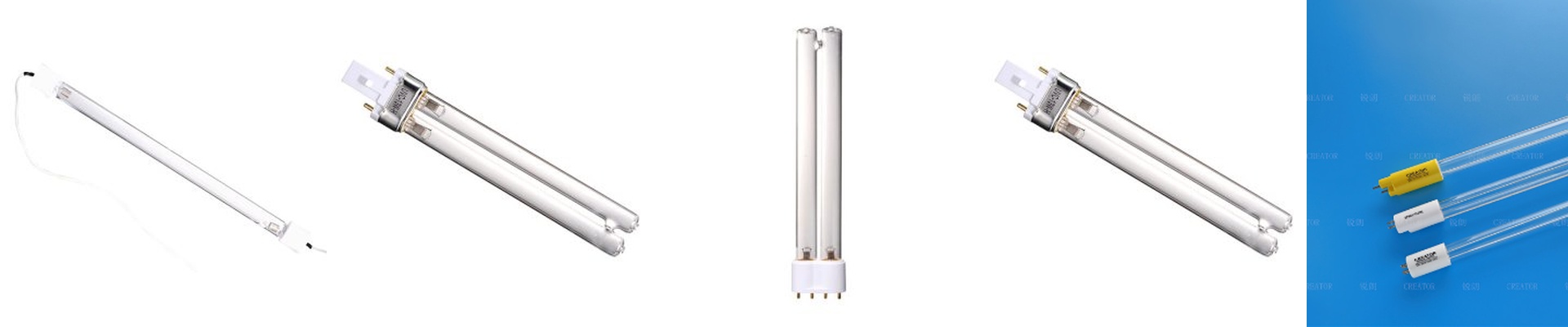
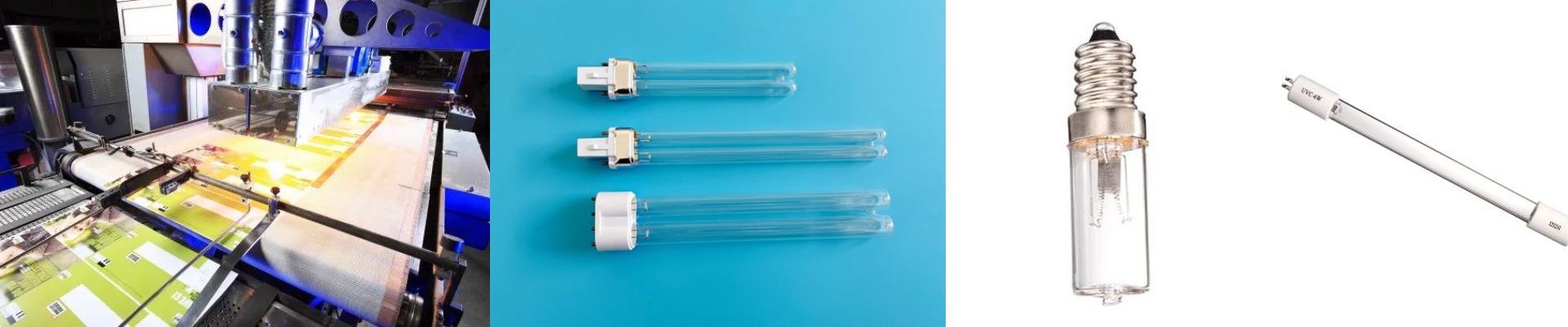
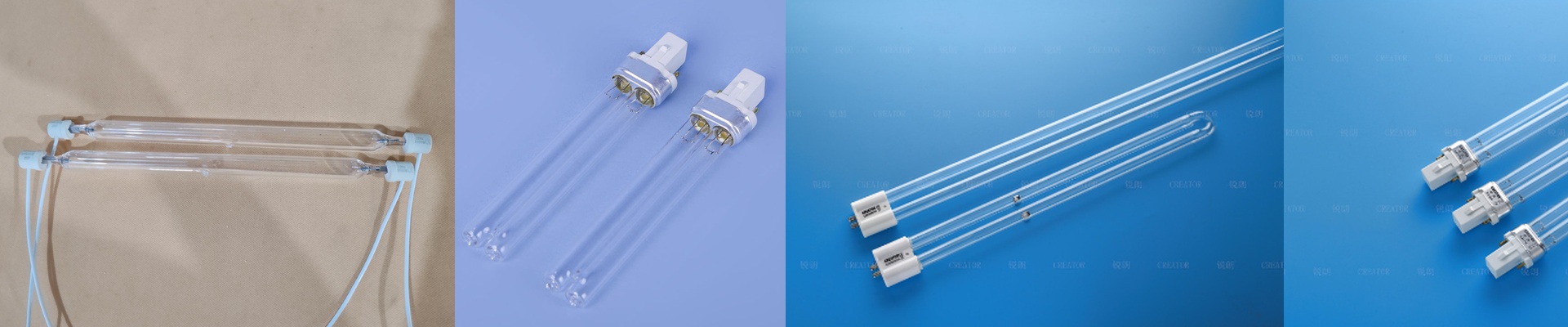
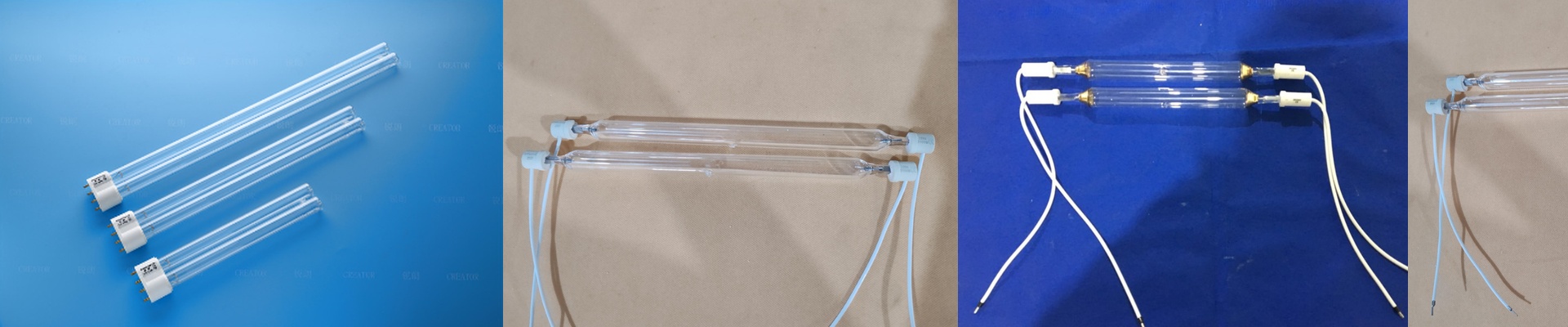
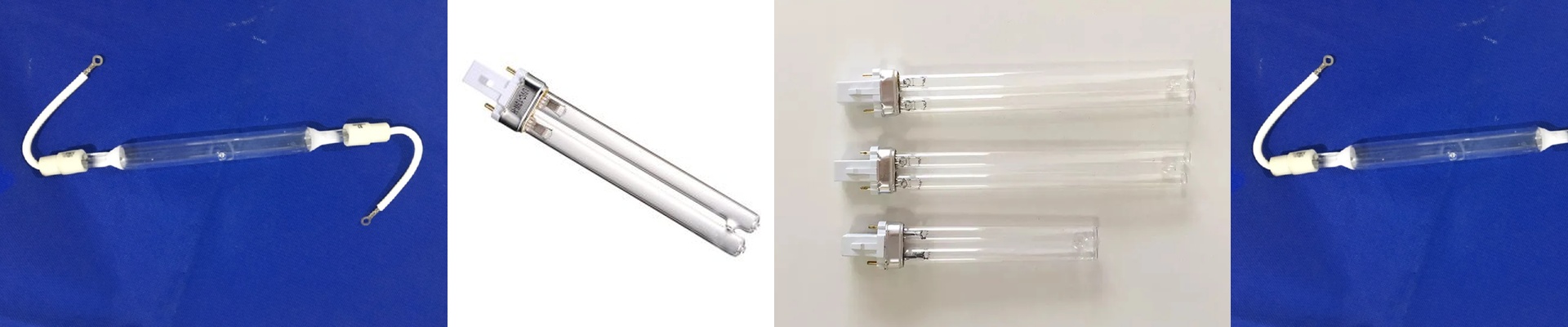
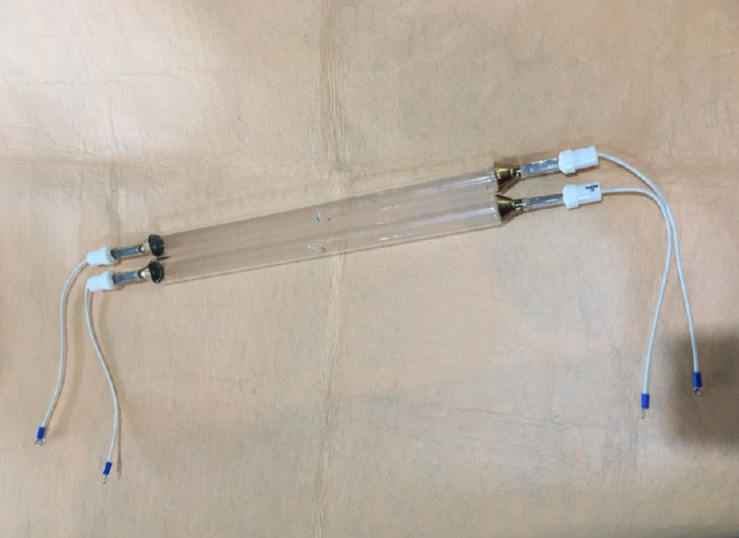
Out on the press floor, mixed runs that mix UV-curable and water-based inks quickly expose a simple reality: one broad-spectrum cure doesn’t cure anything well. You either get the water-based layer skinning over while the UV layer stays tacky, or you over-cure the UV and watch the water-based layer crack. Either way, you’re buying scrap, makeready, and downtime. Here’s what actually matters, technically. We built the 222nm far UVC lamp as a targeted photon source, not a broad emitter. Its output stays concentrated around 222nm with a tight spectral width, so you can selectively excite the photoinitiators in UV inks while keeping the thermal load off the adjacent water-based layer. Peak irradiance at the substrate is adjustable by lamp power and reflector geometry, giving you repeatable dose control. And because we eliminate the 185nm line, it runs ozone-free—so the curing zone stays clean and won’t chew up sensitive components. Why this works in mixed-ink printing is pretty straightforward. You need to lock in the UV layer fast without destabilizing the water-based layer. The 222nm profile drives rapid cross-linking at the surface and gives you through-cure, while the low infrared contribution prevents the heat buildup that leads to cockling and poor lay. On the same press footprint, you can push higher line speeds, cut down on solvent handling, and keep dot gain more consistent. When operators switch ink sets, only minor spectral presets are needed, so changeovers are shorter. A few shop-floor realities to keep in mind. This lamp demands precise optical alignment and a dedicated power supply with stable arc control—otherwise you can’t hold dose repeatability. You’ll need to map substrate reflectivity, ink thickness, and photoinitiator absorption to set dwell and irradiance. And remember, 222nm output gets attenuated by many common window materials; stick with a quartz curing window and keep clean, cool airflow across the lamp so output stays steady over thousands of hours.