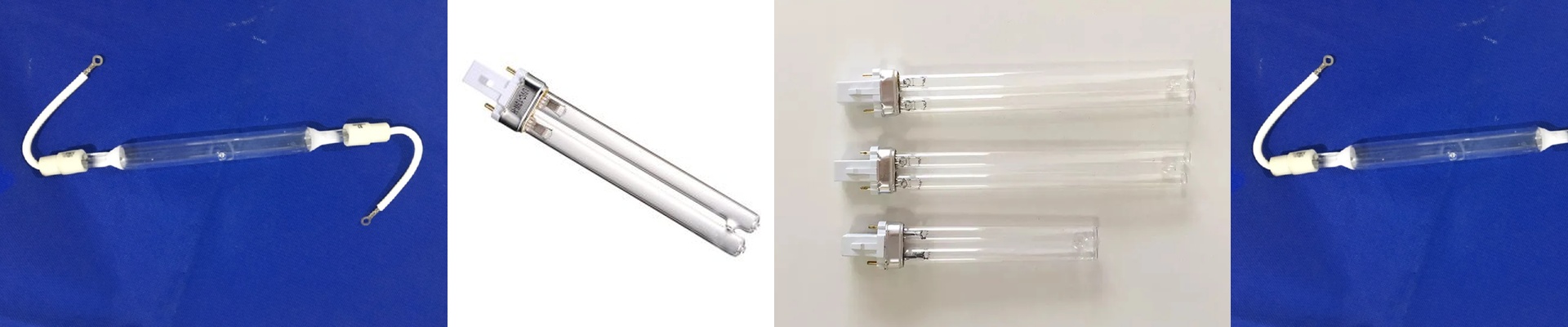
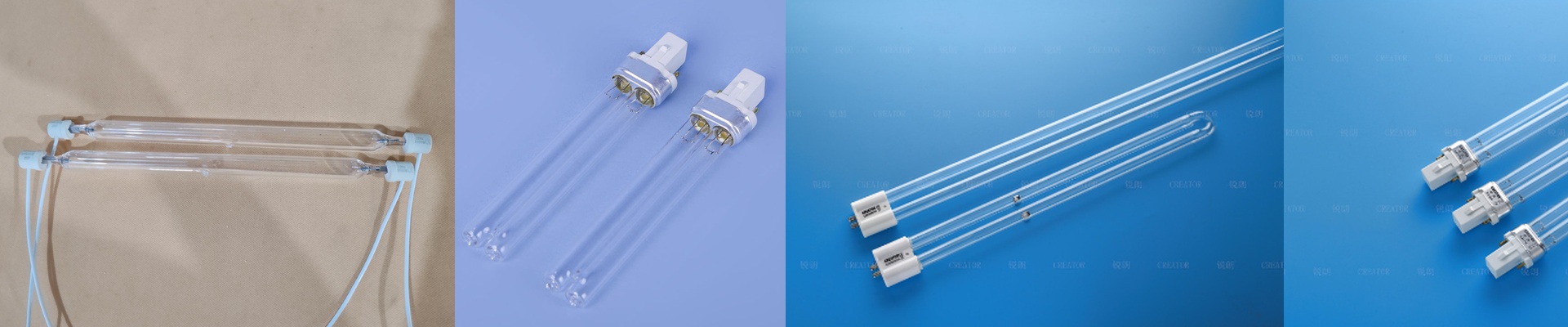
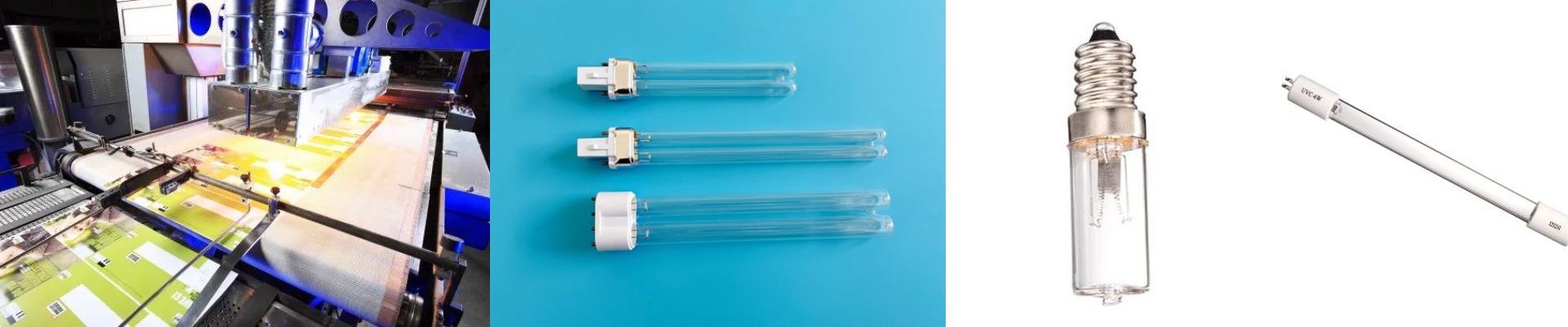
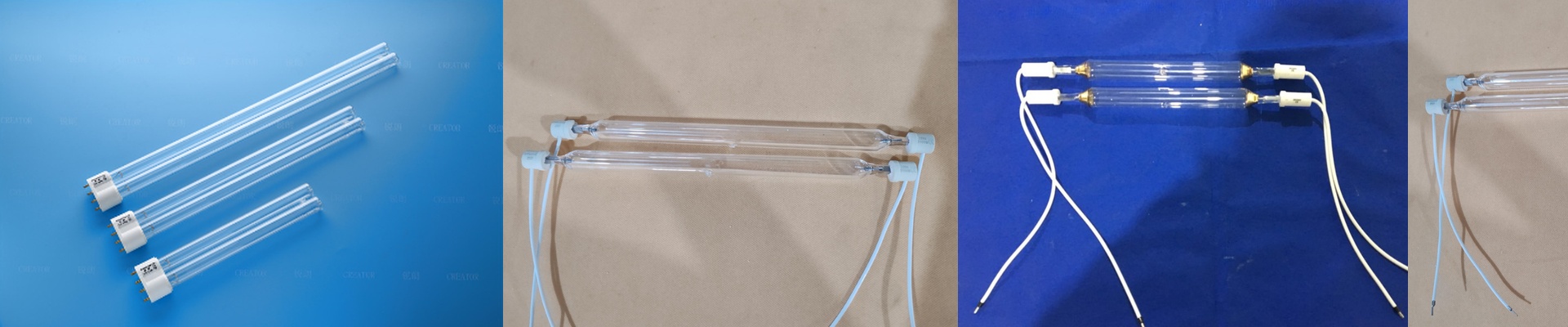
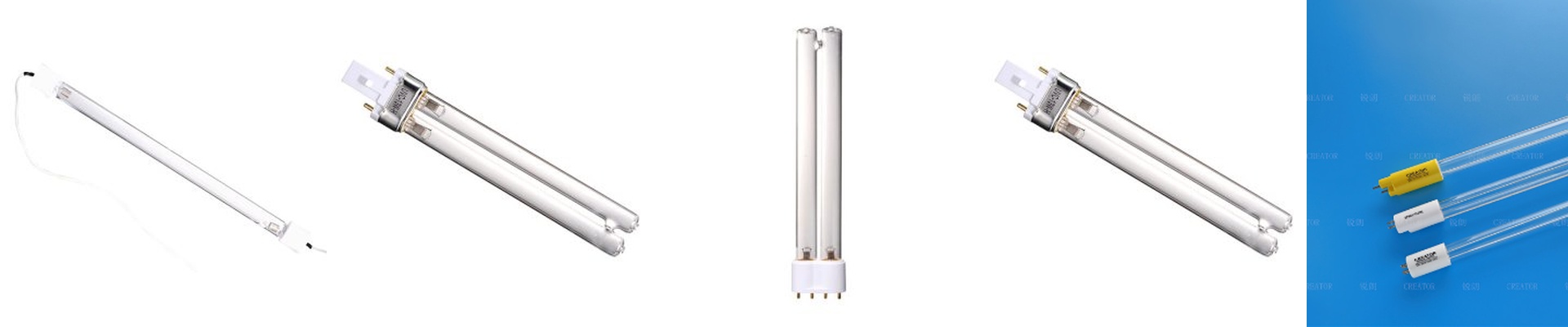
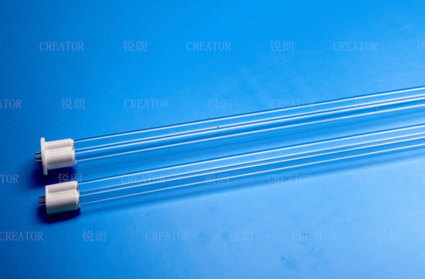
On the press floor, exposure and curing aren’t theoretical. They’re the line between a clean cure and a tacky sheet, between keeping cycle time and scrapping the run. When a gallium lamp starts drifting, the spectral output shifts, peak irradiance falls off, and the photoinitiator response gets spotty. You see it immediately—pinholes, adhesion issues, color that won’t sit still.
What actually matters under the hood
A replacement gallium lamp has to deliver repeatable spectral energy at the right wavelength. We build around a stable 365nm peak, with a narrow spectral envelope that matches the absorption band of the photoinitiators you’re running. Power density is engineered to hit the irradiance your reflector geometry is designed for, so energy density (mJ/cm²) across the substrate stays even. Output holds steady over life, with controlled degradation instead of a hard cliff. The quartz envelope and reflector alignment are set to keep focus and cut losses.
Why this works where it counts
This lamp is built for exposure and curing duty, where intensity stability is what keeps yield in the black. With stable peak irradiance, cross-linking happens predictably, so you’re not constantly chasing ink films or trimming speed. The payoff is fewer rejects, makereadies that don’t yo-yo, and fewer swaps eating into uptime. We stand behind it straight: if our custom UV lamp doesn’t deliver the curing results of comparably priced major brands, we make it right—full compensation.
The shop-floor details you can’t skip
Matching the lamp to the fixture is mandatory. Confirm arc length, base, and reflector interface; a mismatch changes the spot profile and can rob irradiance. Check the power supply and cooling airflow—stable voltage and adequate cooling keep spectral stability and lamp life intact. Expect full output only after warm-up; intensity is lower until the arc settles. Treat the lamp as a consumable that’s aligned to your optics, and performance stays repeatable.