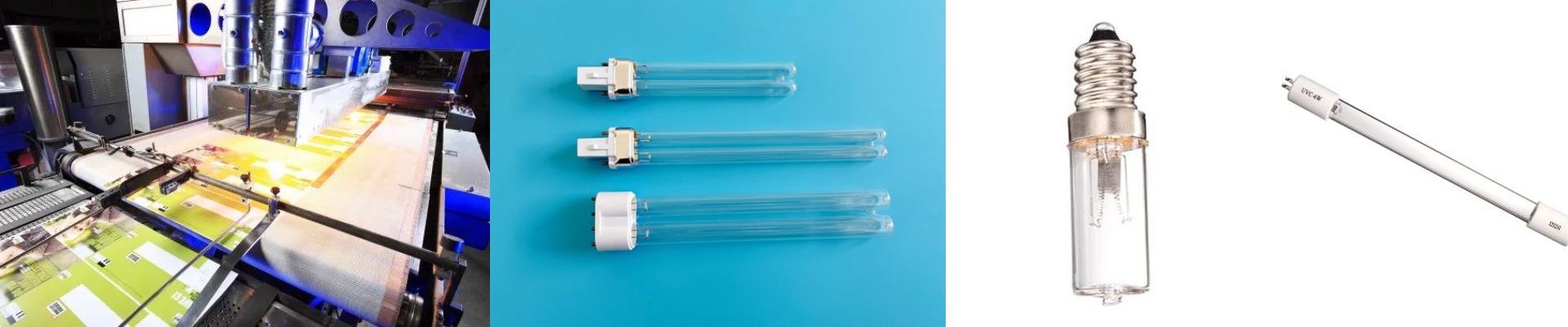
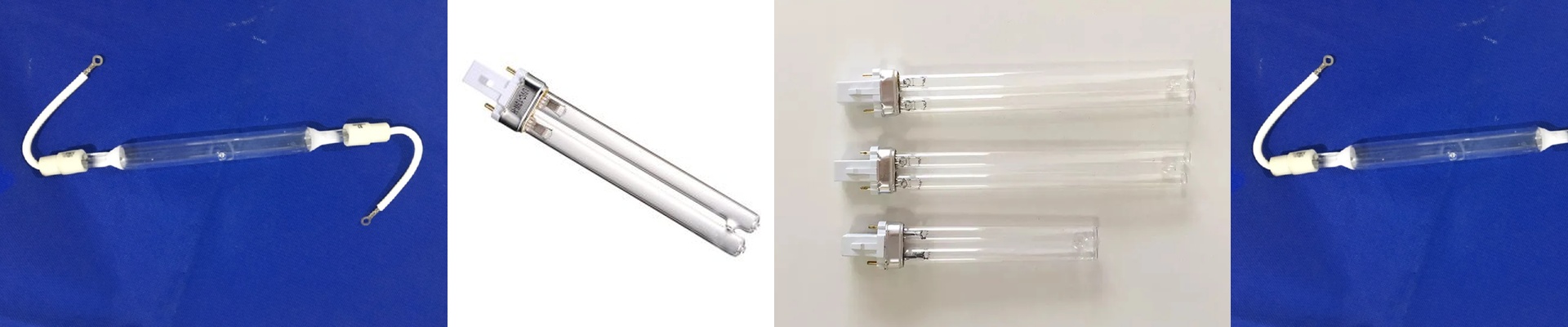
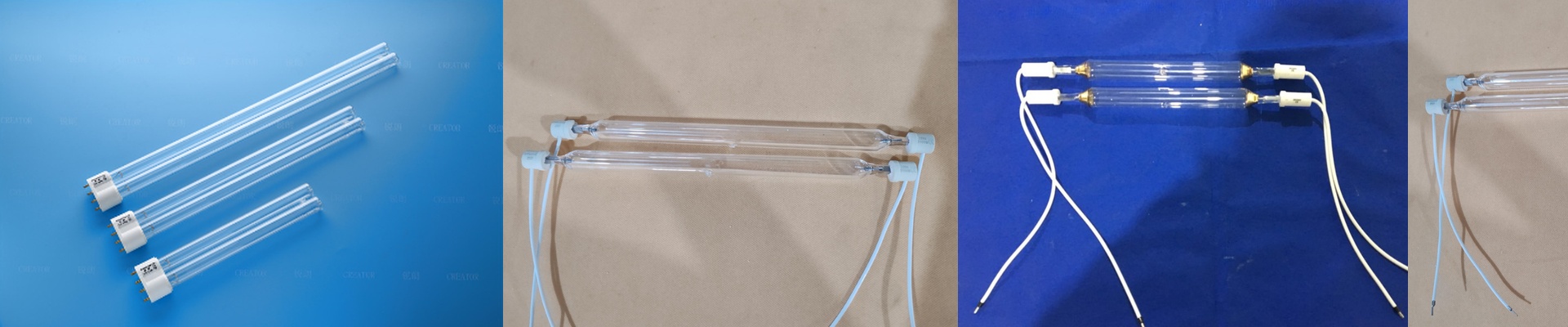
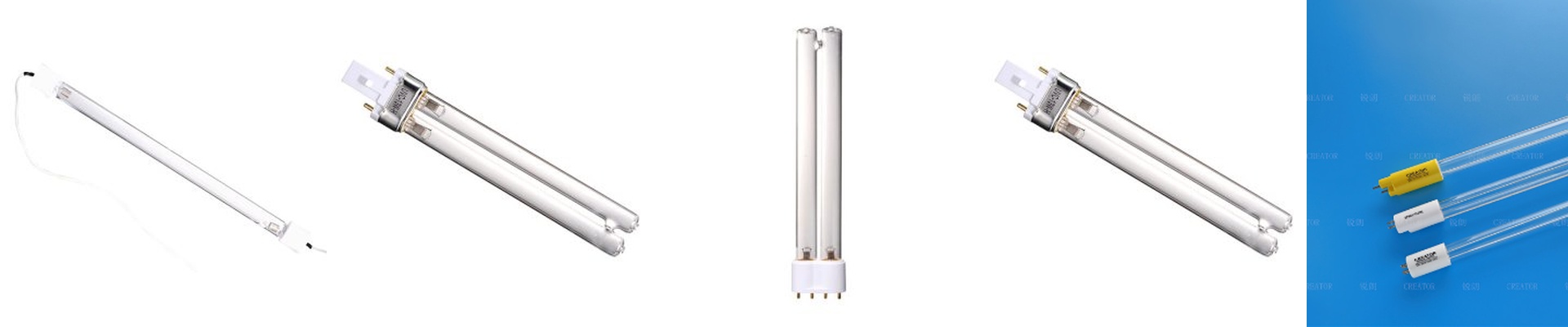
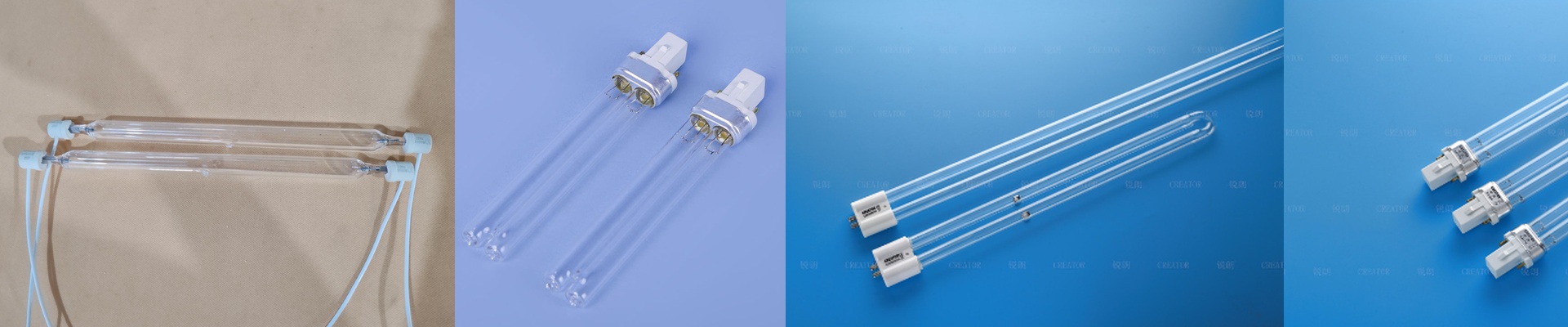
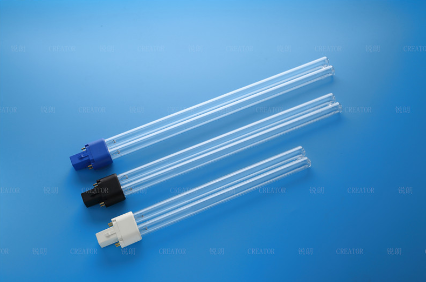
On printed art tile lines, the finish is what separates good from good enough. Everyone expects that glass-hard gloss, but a lot of UV setups miss the mark — leaving the ink with a flat sheen and a cure that never really locks up. The problem usually isn’t the ink. It’s the mismatch between the lamp spectrum and the photoinitiators in the formulation. What actually matters on the technical side Gallium lamps earn their keep because of how the spectrum is engineered. A standard mercury vapor lamp throws out broad UV, but a gallium lamp concentrates energy right at 365nm. That wavelength lines up with the main absorption peak for most UV-curable inks, so polymerization kicks off fast and complete. You’re not just getting surface dryness; you’re getting deep cross-linking at the molecular level. On the numbers, we’re talking peak irradiance above 1200 mW/cm² at the substrate, and an energy density of 800 mJ/cm². That energy profile is what turns liquid ink into a hard, durable film with a high-gloss, glaze-like surface. Why this works for建材装饰 work With建材装饰 applications, the surface has to take abrasion and chemical exposure without losing detail. The gallium lamp’s 365nm output goes straight after the photoinitiators that build a dense polymer network. That network gives the cured ink its hardness, so it performs and feels like a fired glaze. And it’s fast and energy-efficient, curing instantly without the heat stress that can warp sensitive tile substrates. You end up with a finish that looks and behaves like ceramic, straight off the printer. What you need to get right on install Installation comes down to alignment — the lamp, reflector, and dichroic coating have to be lined up precisely to hold the required peak irradiance. The output is highly directional, and any misalignment drops energy density and leaves you short on cure. The lamp is ozone-free, but it still needs a dedicated power supply and a cooling system sized for the instantaneous power draw. Matching the lamp to your printer’s web speed and lamp housing isn’t optional if you want consistent results.