Getting Your UV Wavelengths Right
Most UV lamps are messy. They throw energy all over the place, and in a high-precision shop, that waste is a headache. Think of it like this: your resin has a specific “trigger” (the photoinitiator). If your chemistry needs 365nm to harden, but your lamp is peaking at 395nm, you’re going to have a bad time. You’ll end up with a tacky surface and a center that’s still gooey. We don’t do that. We build our lamps to hit the exact peak your material actually wants.
Power vs. Heat: The Balancing Act
In the lab, we mess with the gas mixtures and electrode shapes to shift where that light peaks. But here’s the thing: we aren’t just cranking up the wattage. That’s the easy part. The real trick is managing the irradiance. High-power UV arrays gethot. Really hot. You have to balance that intensity against what your material can actually take. If we set you up with a high-density lamp for a thin-film job, you’ve got to make sure your conveyor is moving fast enough—or your fans are kicking in—to pull that heat away. Otherwise, your material is just going to warp.
The Gear That Actually Works
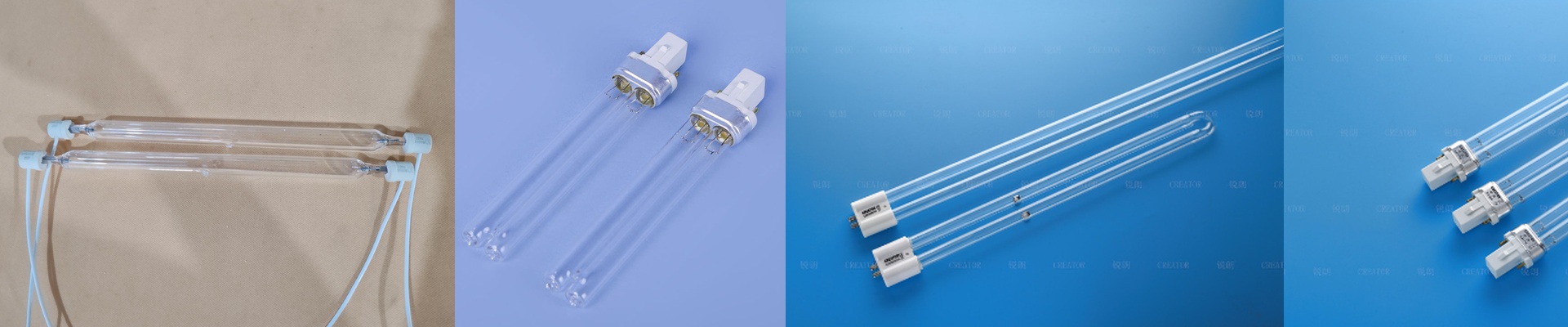
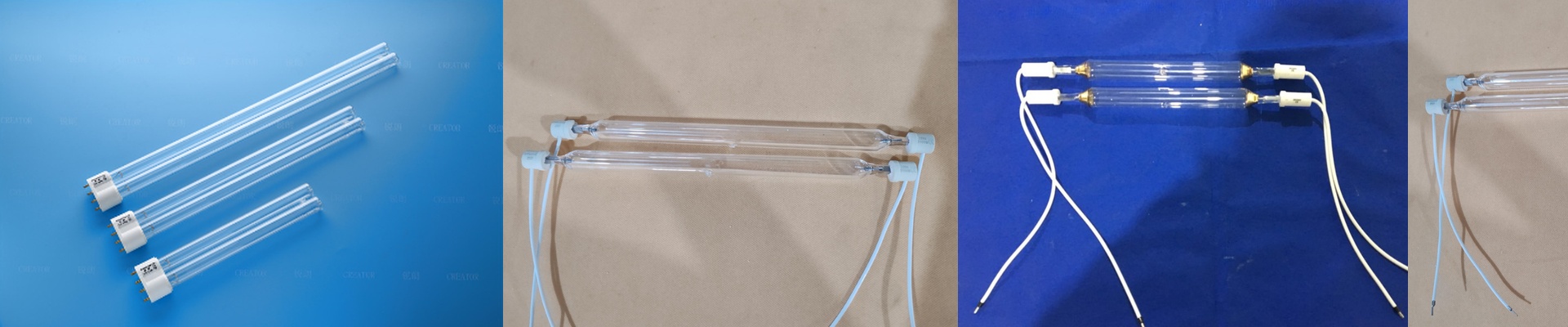
We use high-purity fused quartz because standard glass is basically a wall for the UV rays you actually need. For some of our setups, we add dichroic coatings to the envelope. These act like a mirror for infrared (IR) radiation, bouncing the heat back into the arc. It keeps the heat inside the lamp and off your product, which is exactly where it belongs.
No Headaches, No Guesswork
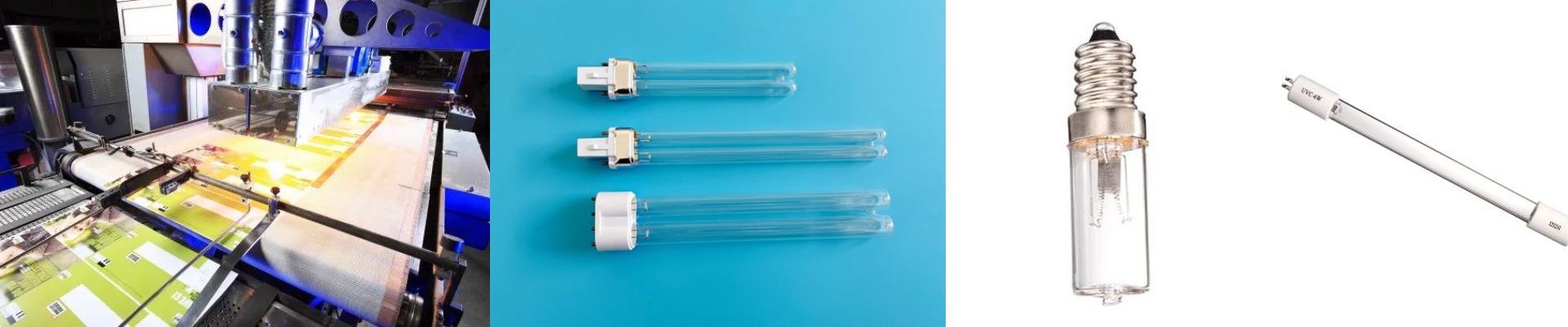
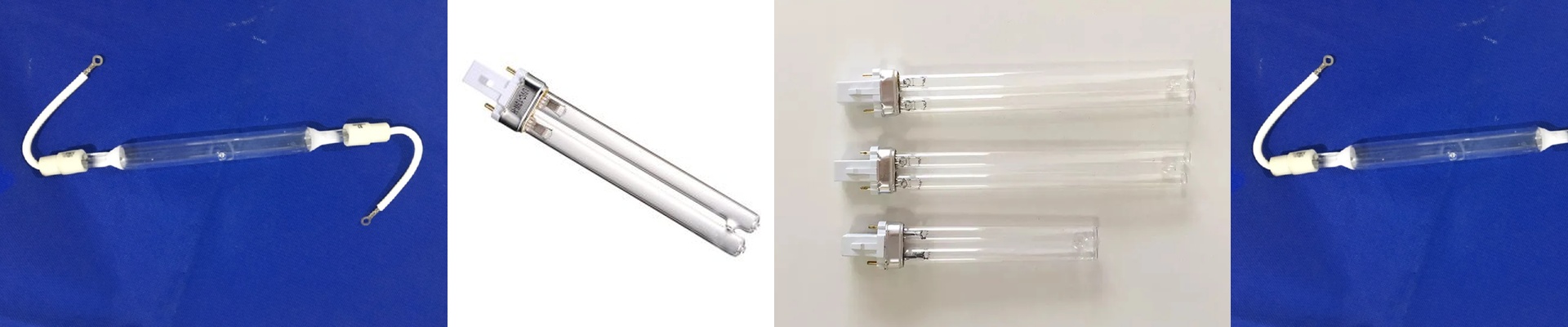
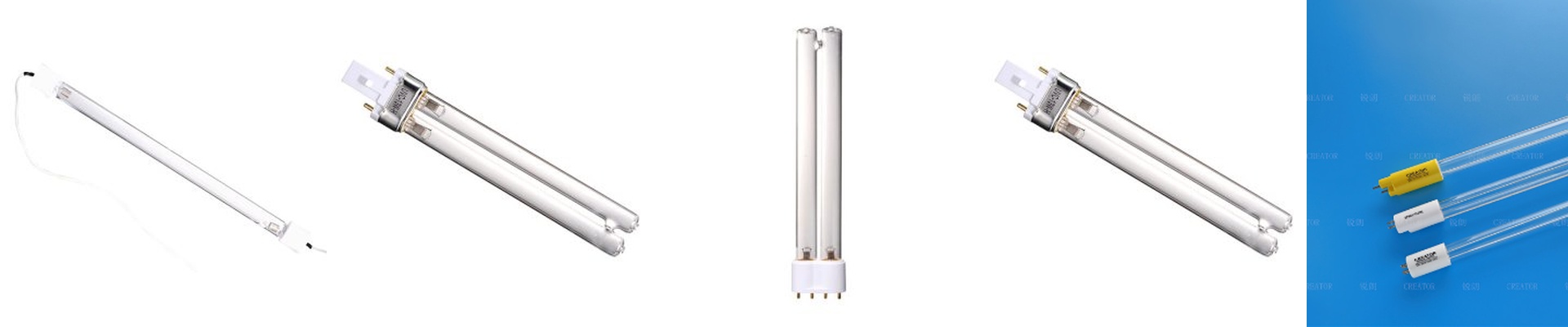
We design these to be simple drop-in replacements. Whether you need a weird pin configuration or a custom length, we handle it. The last thing you want is to spend your weekend rewiring a whole rack just to change a bulb. Before any batch leaves us, we run it through a spectroradiometer. We verify the peak wavelength so you aren’t just crossing your fingers and hoping for the best. Just a heads-up: electrodes wear down over time, and you’ll see a slight dip in intensity. It’s normal. We usually suggest checking your curing times every 1,000 hours just to keep things dialed in.