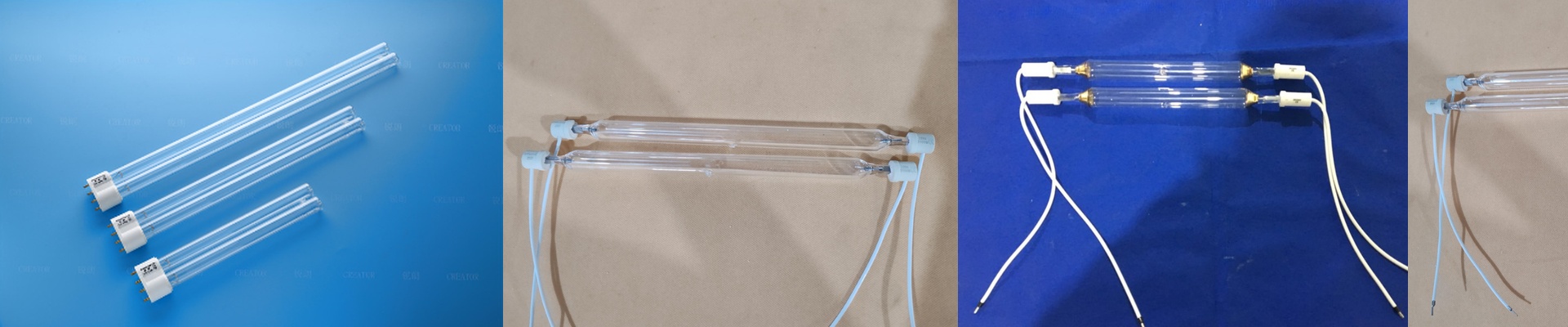
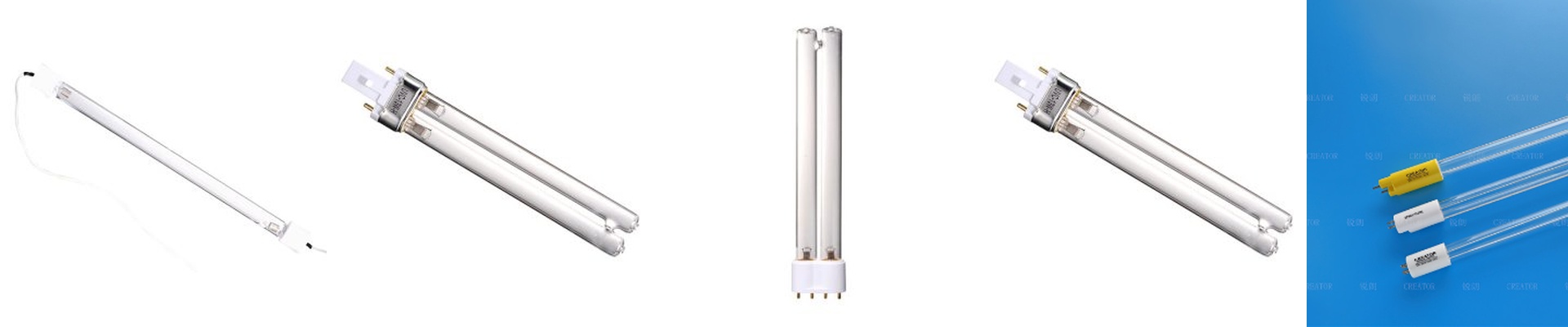
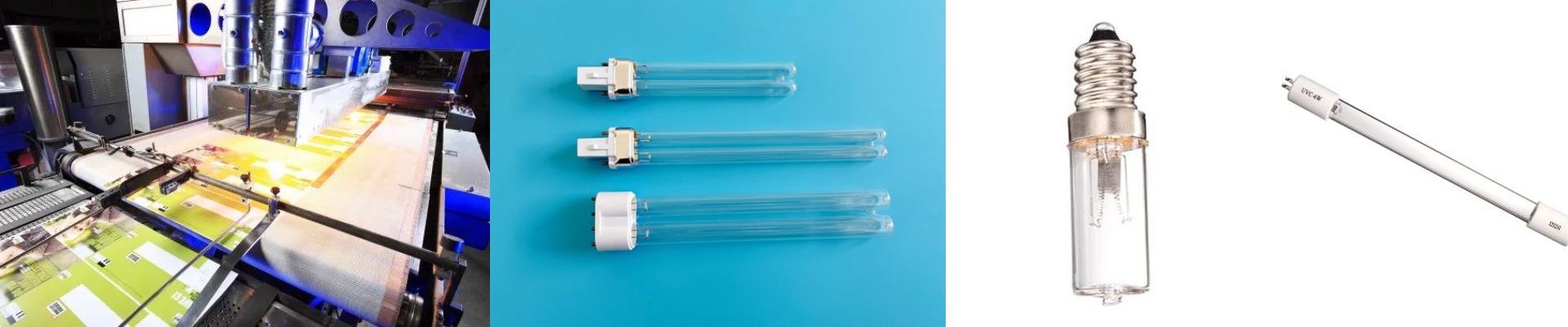
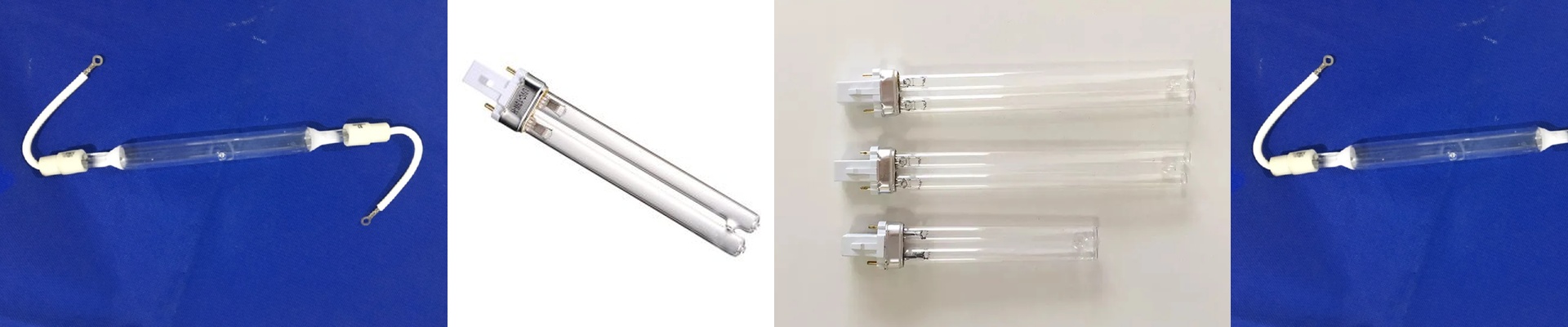
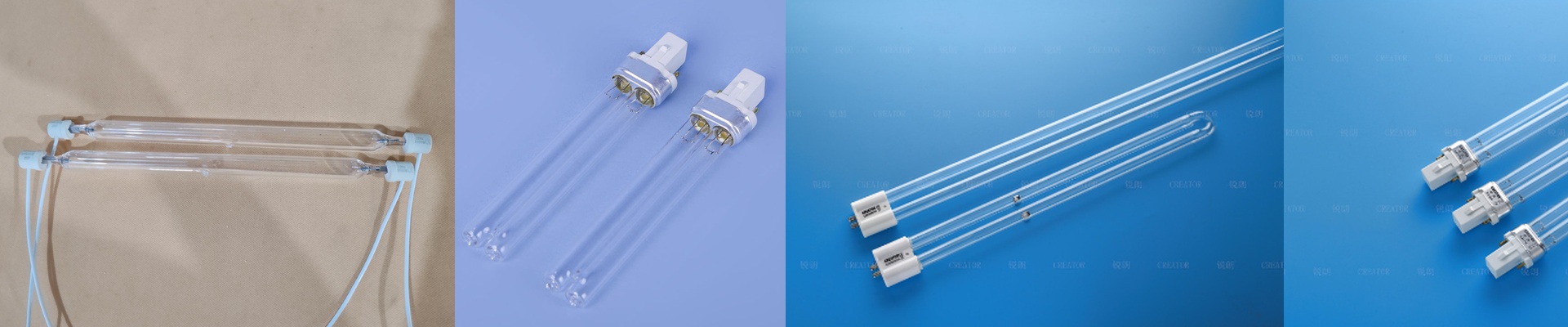
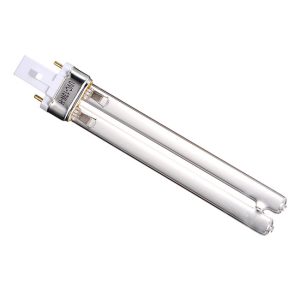
On a household appliance line, you run to cycle targets and you can’t cut corners on hygiene. If the UVC sterilization module starts drifting, you’re staring down microbial non-compliance, field returns, and a brand that takes a hit. We built our replacement UVC lamp modules to take the guesswork out of that step—consistent germicidal performance inside dishwashers, shoe cabinets, and other compact appliances. What you really need here is repeatable output and tight control. The modules use ozone-free quartz sleeves and low-pressure mercury vapor sources tuned to the 254 nm germicidal peak, with spectral output held to tight tolerances. Peak irradiance at the target plane is engineered to meet validated dose requirements, and intensity stays stable over the service life. We spec long life, low decay, and repeatable warm-up behavior so your appliance’s cycle logic doesn’t have to change. Why it fits appliance work: it’s about integration. The form factor and mounting geometry are designed to drop into common chamber layouts, with wiring options that line up with typical control boards. You get predictable dwell-time performance, lower energy draw per cycle, and fewer interventions in the field. For manufacturers, that means fewer service calls and more consistent pass-rates in routine validation testing. Here are the details that matter. UVC output is sensitive to operating temperature and chamber geometry. Check clearances and airflow around the module so you don’t run into thermal clipping, and make sure the driver matches the lamp’s ignition and operating parameters. Always handle the lamp by the sleeve—oils on bare quartz will create hot spots and accelerate output loss. Plan for end-of-life sensing or timer-based replacement so intensity stays inside your validated window.