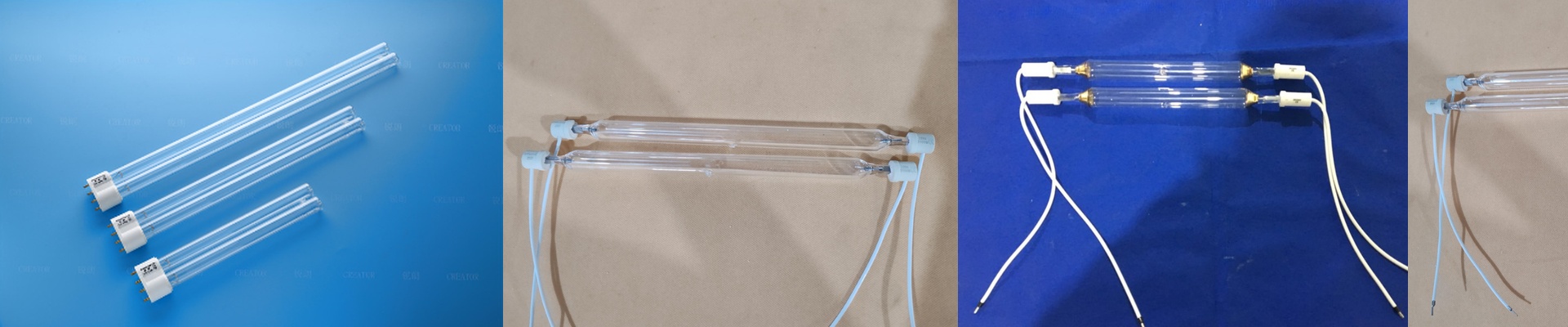
Dealing with Electrical Noise in Big UV Curing Lines
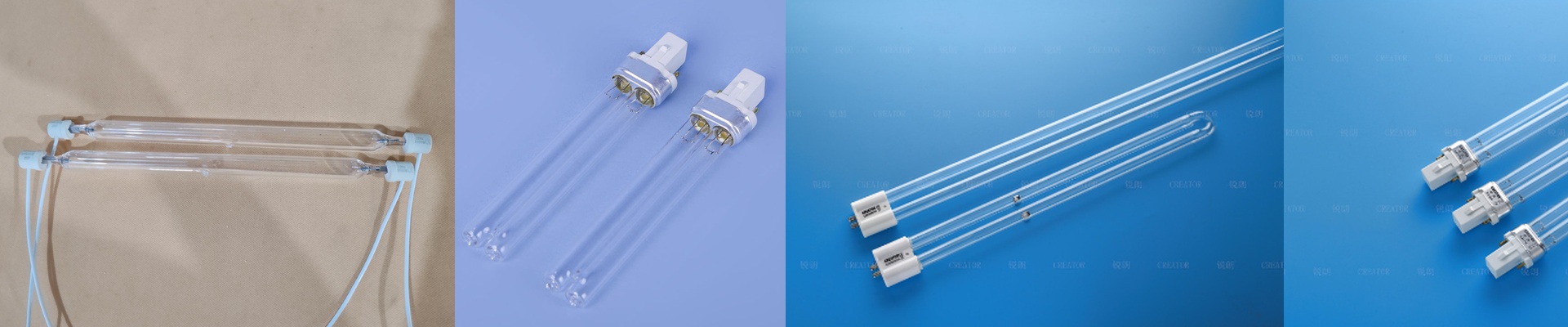
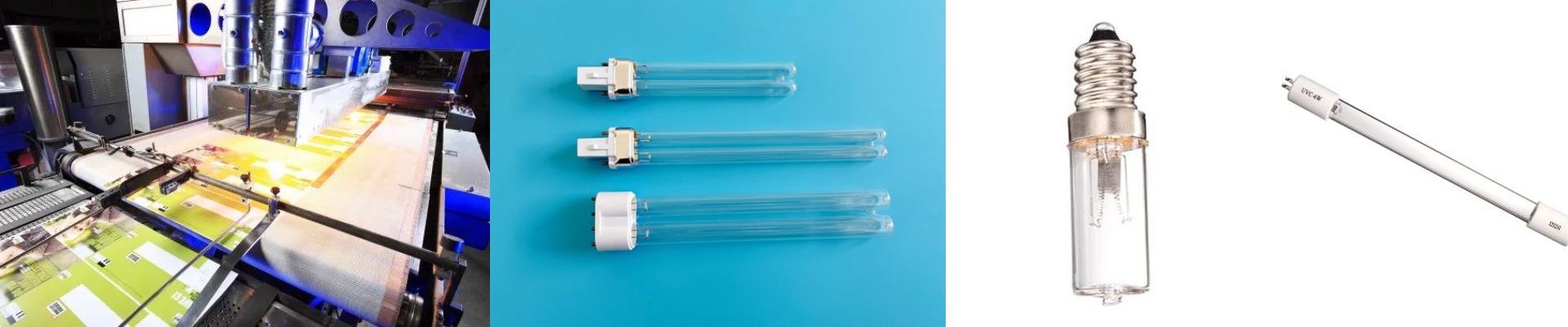
If you’ve ever spent a day in a print shop with a few large-scale presses humming away, you know it’s a chaotic environment. It’s not just the noise you can hear—it’s the electrical noise you can’t. When you’ve got multiple high-frequency ballasts firing off at once, you get electromagnetic interference (EMI). It’s a mess. We built our long-life mercury UV tubes specifically to survive that kind of stress.
Why these don’t flicker
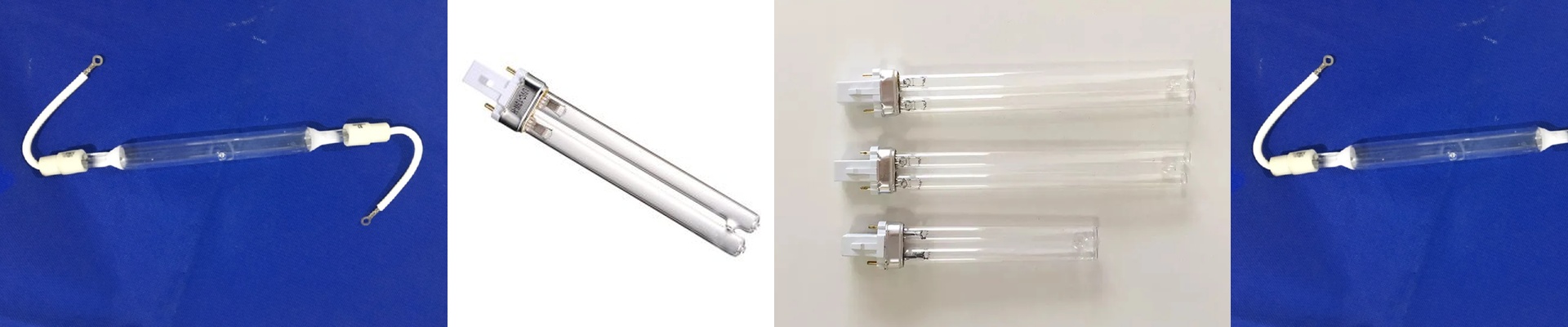
Most UV lamps are twitchy. They pick up noise from the machines sitting next to them, and suddenly you’ve got flickering or a drop in output. We fixed this by rethinking the electrode geometry and using a purer mercury fill. We tightened the tolerances on the arc gap to keep the plasma discharge stable. The result? The lamp stays lit. Even when your power grid is screaming because every other heavy machine in the shop is running, your UV output stays constant.No dips. No surprises.
The secret to the long life
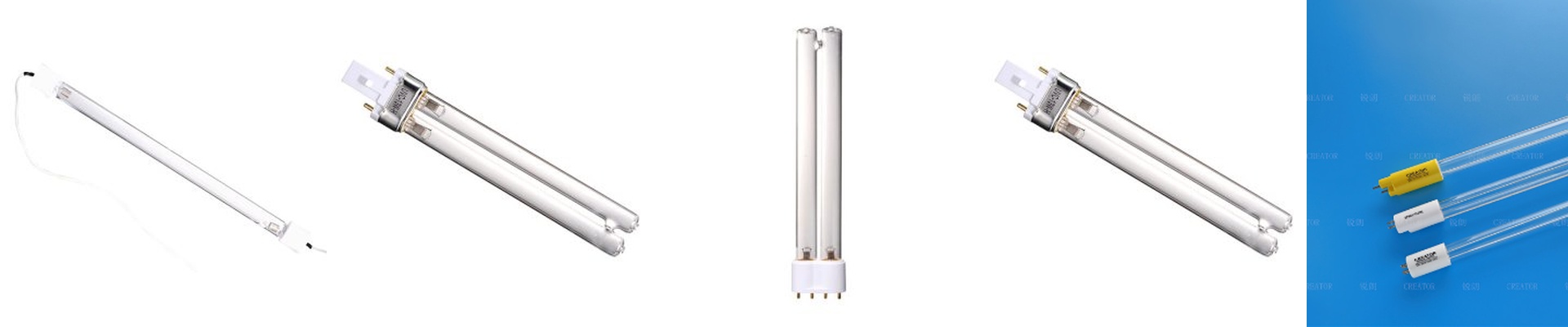
Cheap tubes usually “burn out” after a few hundred hours. It’s frustrating. We use a specialized mercury amalgam that stops the active material from evaporating off the electrodes too quickly. This gives you a much flatter decay curve. Instead of the light plummeting out of nowhere, it fades slowly over a long period. This is a huge win for your sanity. You can actually schedule your replacements during planned downtime instead of scrambling to fix a dead lamp in the middle of a rush job.
A quick reality check
Now, look—these tubes are tough, but they aren’t magic. High-stability mercury lamps get hot. Really hot. If you’re pushing these to max wattage inside a tight housing, you have to make sure your cooling fans are actually doing their job. If the airflow is bad, you’ll cook the electrodes, and no amount of internal quality can save them from that. But as long as they can breathe, they’re easy to use. They’re drop-in replacements for standard industrial presses. Just wire them into your existing ballasts, and they’ll handle the electrical chaos of a busy floor without skipping a beat.