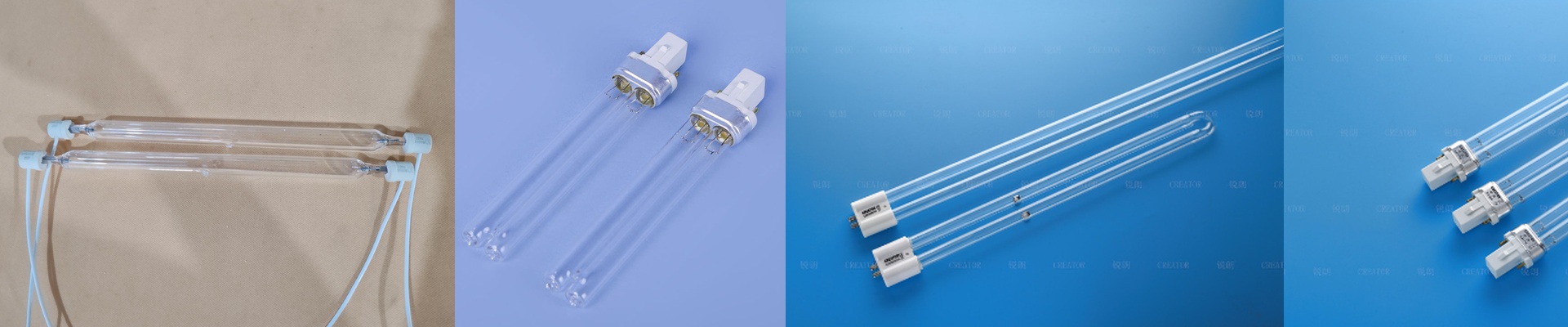
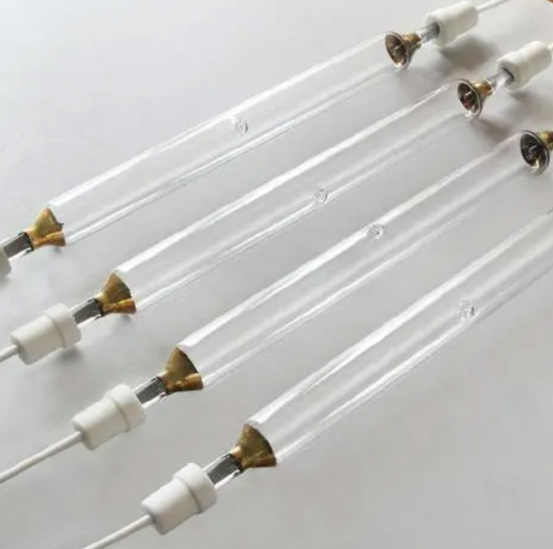
Don’t Let Your UV Lamps Become a Liability
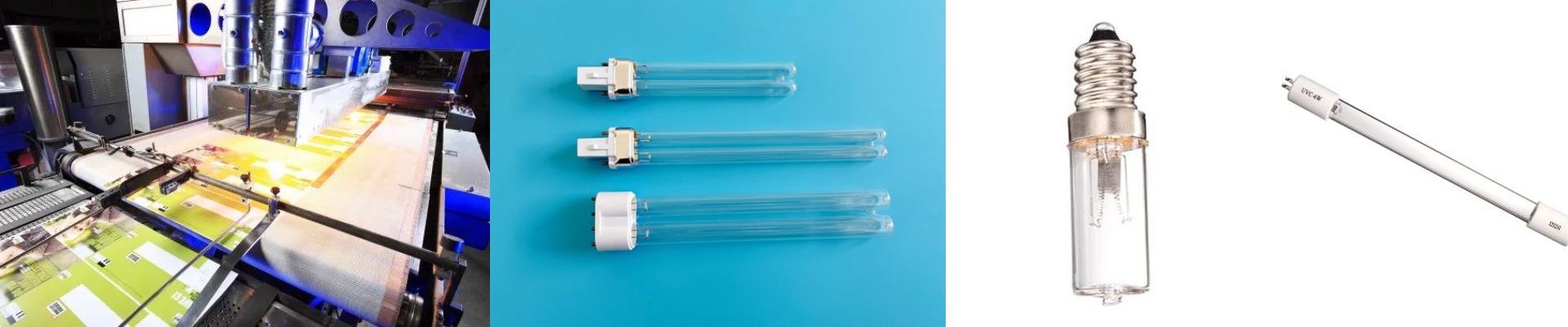
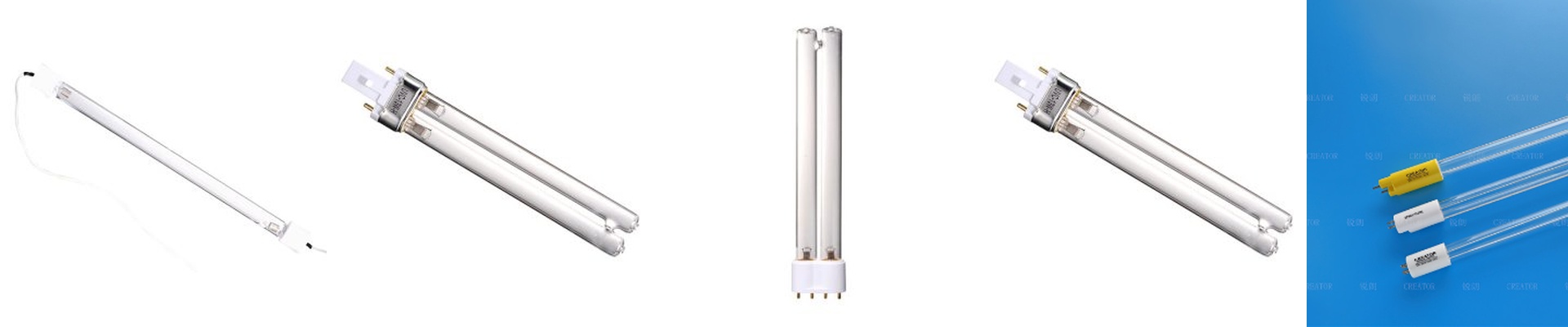
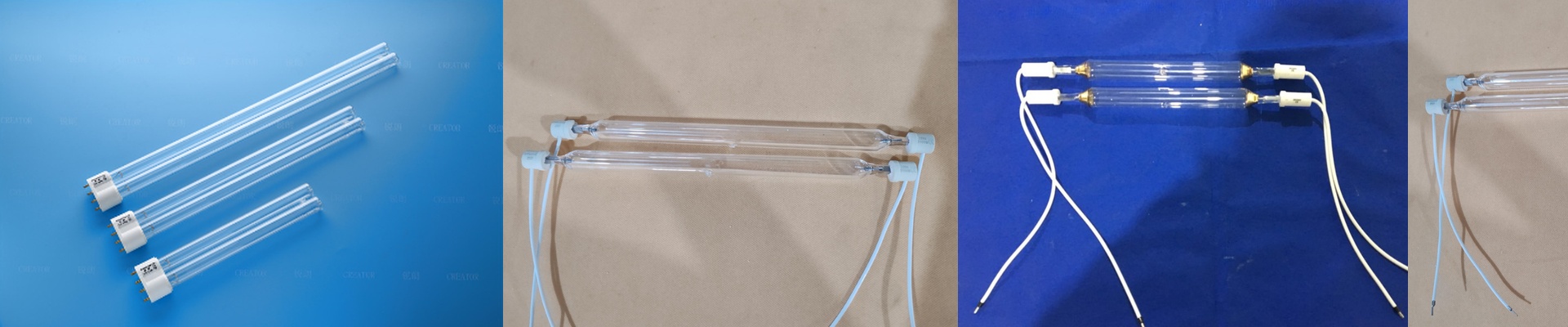
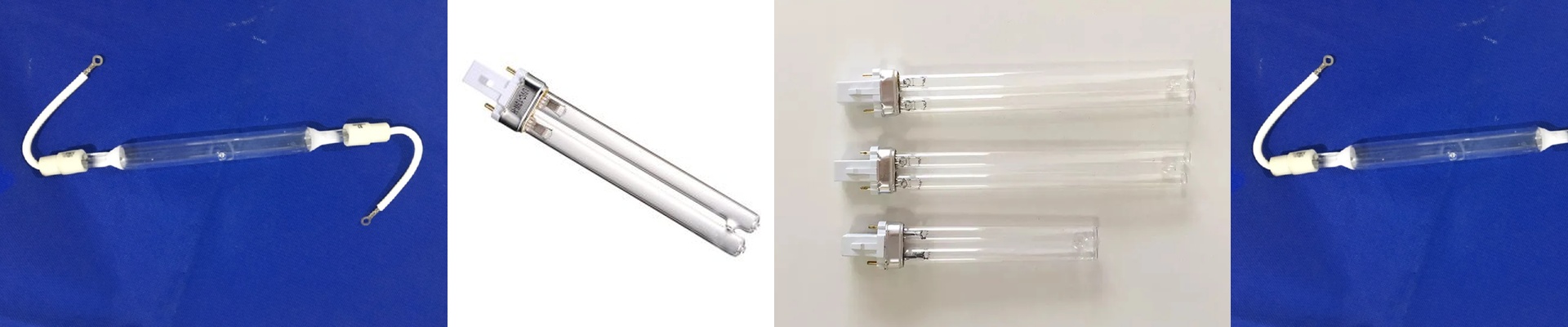
If you’re running a small print shop, you know UV lamps are great for curing ink fast. But here’s the thing: these lamps put out short-wave radiation (usually around 253.7 nm) that doesn’t play nice with human skin or eyes. It can cause nasty burns and eye irritation almost instantly. That’s why we don’t just focus on how much power the lamp puts out. We focus on keeping that power exactly where it belongs. Keeping the light in the box A bare UV lamp is basically a hazard waiting to happen. To fix that, we use high-reflectance aluminum to bounce those photons straight onto your work. If you’re building your own conveyor setup, please, don’t use polycarbonate. It looks clear, but UVC radiation eats right through it. Stick with tempered glass or powder-coated steel. It’s the only way to be sure nothing is leaking out. The heat and power struggle Most of these lamps rely on high-voltage ballasts. If the current rating on your ballast doesn’t match your lamp, you’re going to fry the electrodes way sooner than you should. We keep the current steady so you don’t deal with flickering or lamps dying every few weeks. Then there’s the heat. These things get hot. Really hot. If a cooling fan dies or some dust blocks the airflow, the temperature spikes. And here is the annoying part: when the bulb gets too hot, the UV output actually drops. You’ve got to keep an eye on the ambient temp around the bulb if you want that 254nm peak to stay consistent. Safety that actually works People talk about “drop-in replacements,” but a new lamp is only safe if your machine has real, hard-wired interlocks. We always suggest magnetic switches on every single access panel. The second a door swings open, the power to the ballast should kill instantly. Relying on a software switch is just asking for trouble. It’s too slow. We build our custom lamps for small shops to hit that sweet spot. You get all the curing power you need to get the job done, but you can actually sleep at night knowing your shop floor isn’t a danger zone.