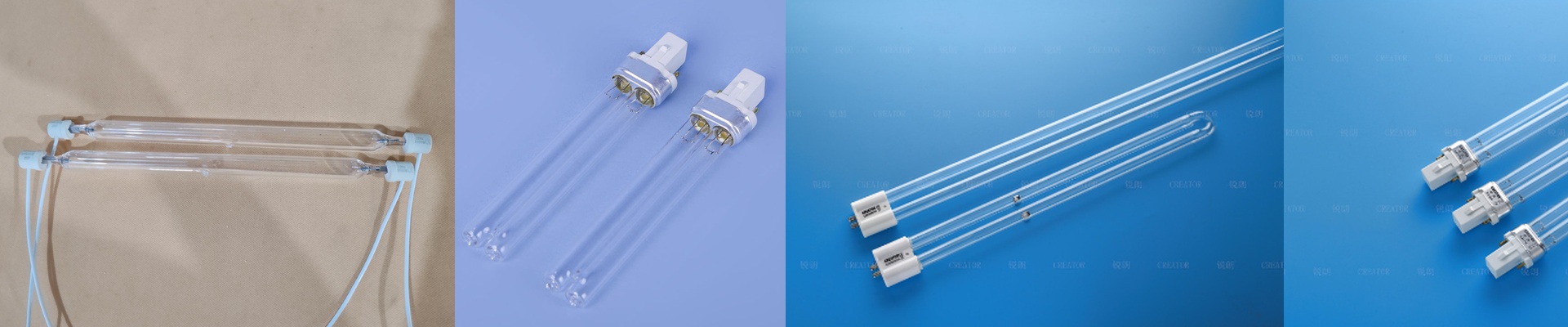
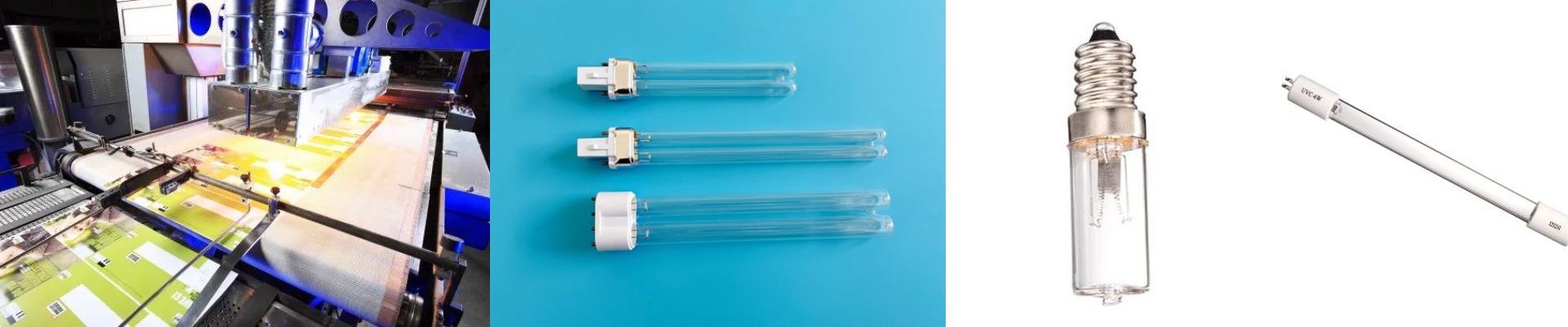
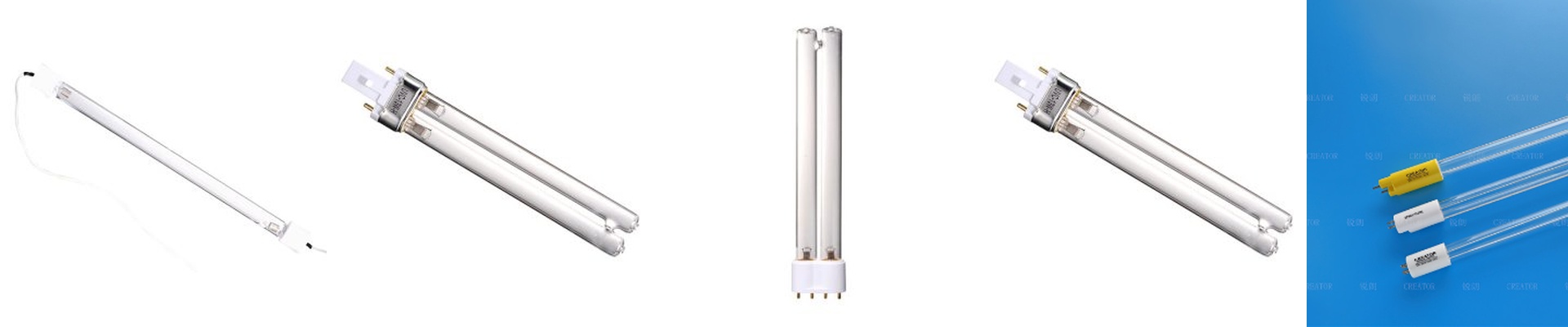
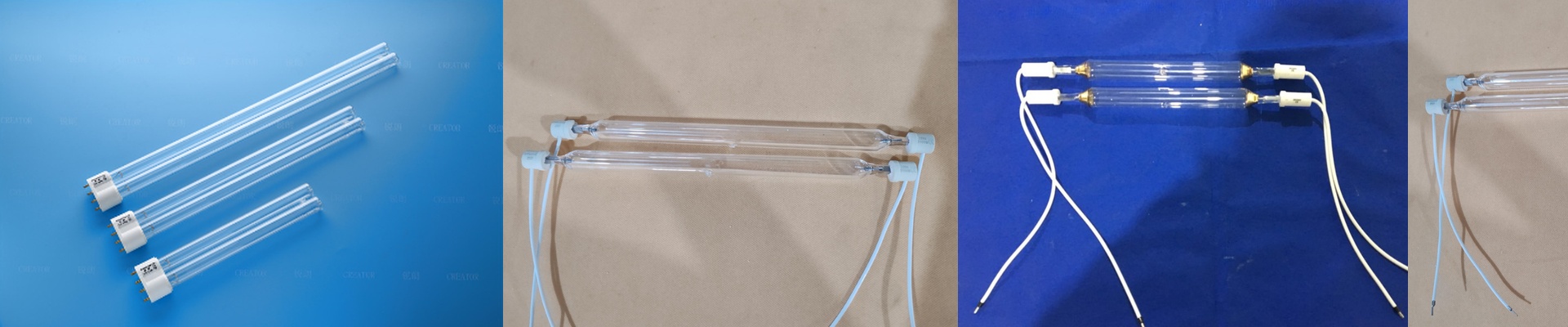
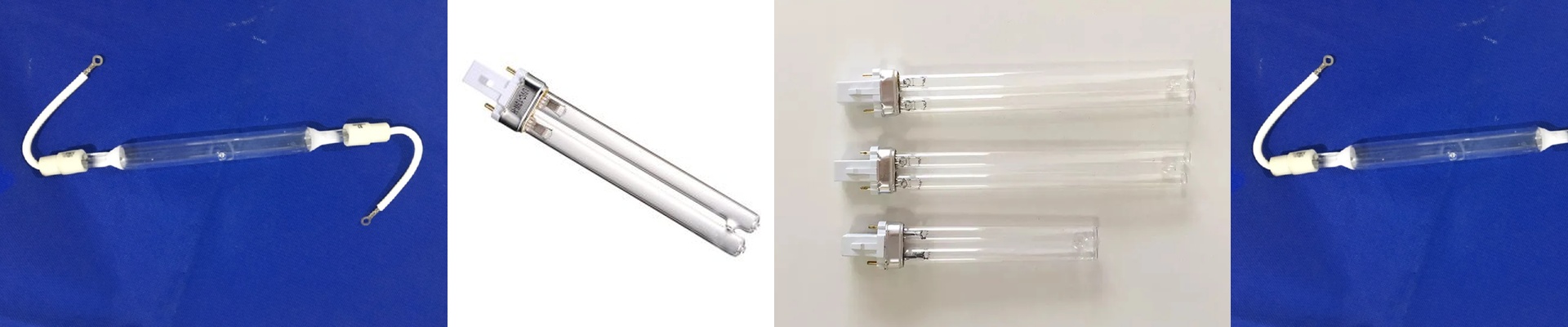
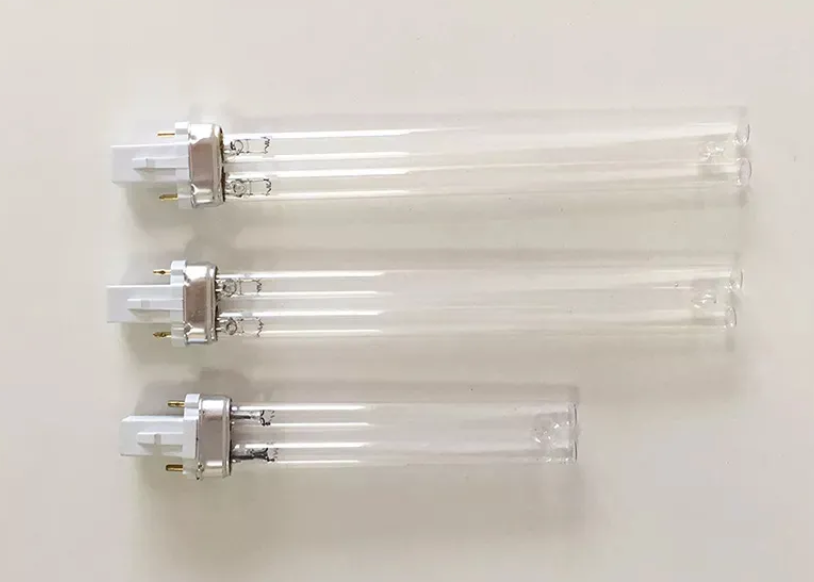
Old CPAP cleaning systems start to crawl when the original UVC lamps lose spectral output. That drop creates a bottleneck that drags the whole sanitation line down with it. We bring the performance back by rebuilding around a UVC germicidal lamp that’s purpose-built for the CPAP environment. What actually matters under the hood We spec a low-pressure mercury vapor lamp that delivers true 254nm germicidal output, with stable irradiance—no broad-spectrum UV, just the wavelength that does the work. Peak irradiance is engineered to clear 60 mW/cm² at the target surface, so microorganisms get knocked out inside the required dwell window. The quartz sleeve and a proprietary reflector geometry keep intensity consistent across the treatment chamber, so every mask and reservoir sees the same dose. We track output stability against a defined lamp life curve, and call end-of-life when measured UVC intensity falls off—not by calendar alone. Why this fits the CPAP workflow This lamp is cut for the CPAP sanitation beat: fast cycles, dose delivery you can count on, and repeatable validation. Restoring the original UVC output envelope gets your process speed back—the speed older lamps slowly ate away. The payoff is fewer stalled batches, fewer re-cleans, and a sanitation run that hits documented disinfection targets without running long. Power draw is matched to the chamber footprint, so you’re not paying for wattage you don’t need. What to watch for on the install and in the field Install is straightforward, but the lamp has to be matched to the chamber reflector and the airflow pattern. Swap in a generic tube and you can end up with hot spots and dead zones. Check your fixture’s operating voltage and connector type, and make sure the chamber quartz window is compatible with 254nm transmission. For steady performance, keep intensity checks on the schedule and replace the lamp when the measured UVC dose no longer clears your validated threshold.