Let’s Talk About Scaling Your UV Brand: The Nitty-Gritty of Lamp Integration
If you’re building a UV brand, you already know that just sticking your logo on a generic bulb doesn’t cut it. That’s a recipe for failure. The real magic happens when the wavelength and the energy hit exactly what they’re supposed to—whether you’re trying to kill bacteria or harden a polymer. Basically, your hardware specs are what decide if your product actually works or just glows.
The Physics (Without the Boring Textbook Part)
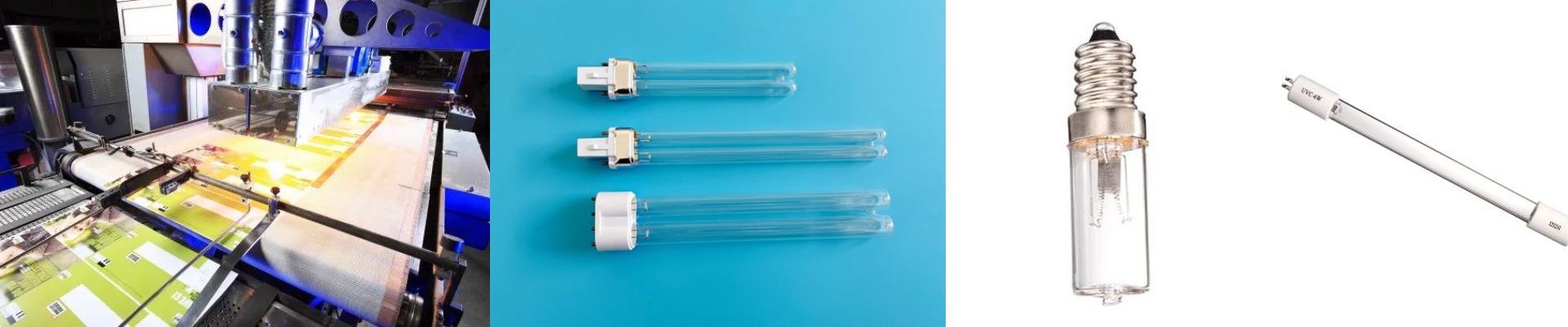
We don’t believe in one-size-fits-all. We build our systems around what you’re actually trying to do. If you’re into sterilization, we lean heavily into the 254nm UVC peak. It’s the sweet spot for punching through cell walls and neutralizing microorganisms. But if you’re curing adhesives or coatings, we shift things around to make sure the light gets deep into the material. Then there’s the power density. This is where things get tricky. If you cram a high-wattage lamp into a tiny housing, you’ll get a lightning-fast cure. Sounds great, right? But you’ll also get a massive amount of heat. If you don’t balance that wattage with a solid cooling plan, your lamps are going to burn out way faster than they should.
Getting the Hardware Right
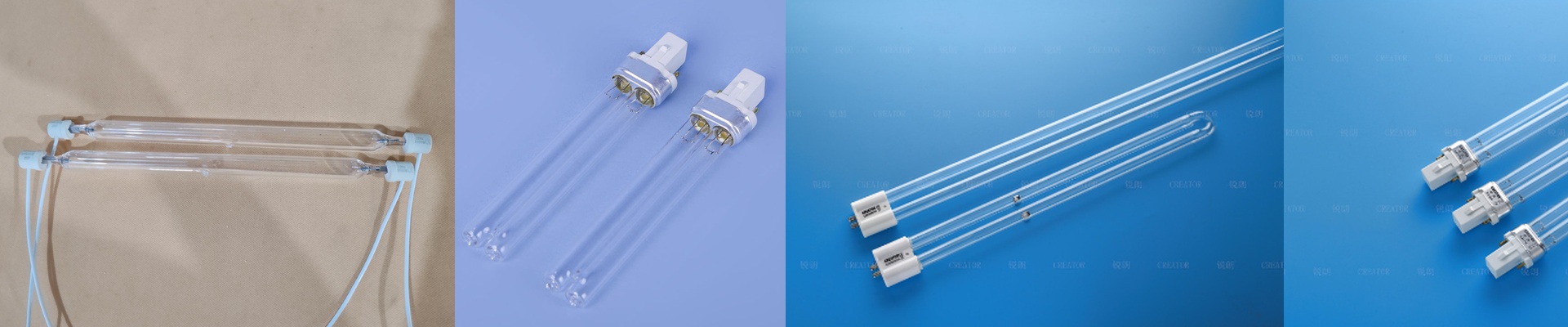
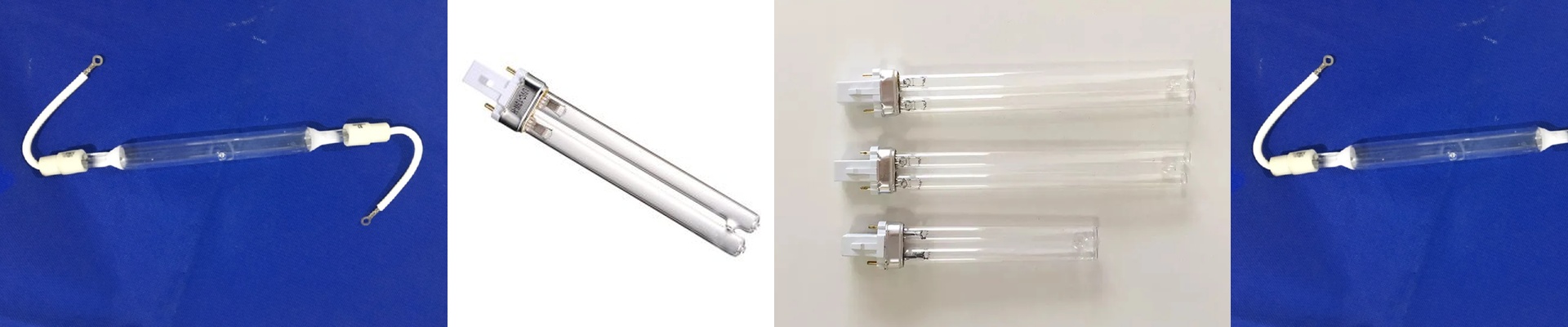
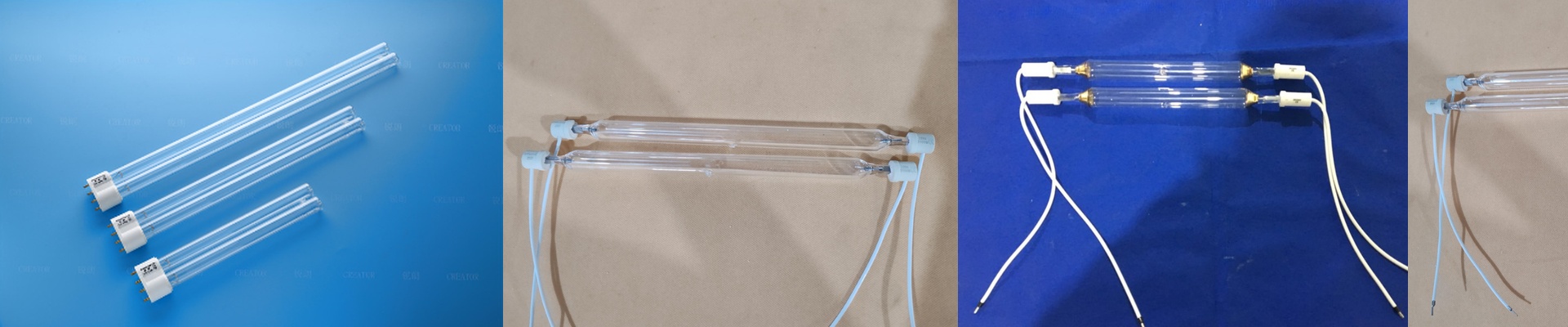
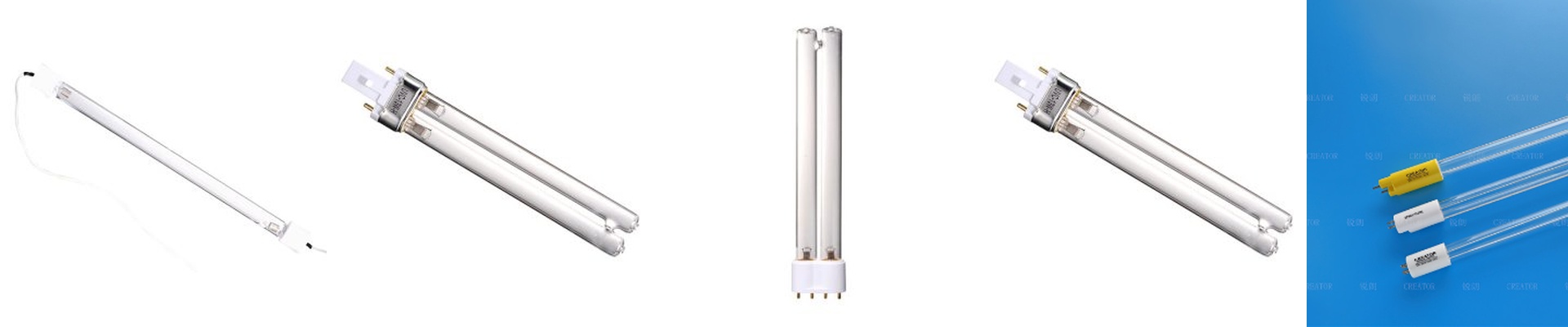
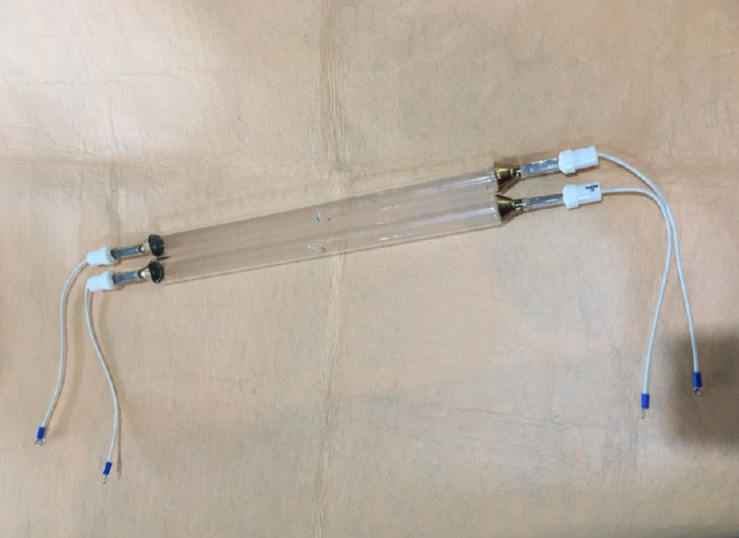
Depending on how much space you have in your machine, we’ve got a few different ways to go. You can go with mercury-vapor lamps or UV-LED arrays. LEDs are great—they have a tighter spectrum and they last forever. But let’s be honest: if you need raw, brute-force intensity for bulk curing, mercury lamps still take the trophy. We also handle the messy electrical stuff. We can tweak the connectors and the wiring so the lamps just slide right into your existing chassis. No headaches. We can even toughen up the quartz sleeves for high-pressure or nasty environments. Just keep in mind that thicker quartz lets a little less UV light through. It’s a trade-off.
The Reality of Integration
Here’s the thing: high-output UV systems create heat and ozone. Lots of it. If you push for maximum power, your ventilation has to be on point. You need to scrub the air and pull that heat away from the ballast before things get too hot to handle. We’ll work with you to find that “Goldilocks” zone—where your curing speed is fast, but your materials aren’t melting.