
Getting UV Curing and Sterilization Right
Here is the reality: UV curing and sterilization come down to one thing—hitting a very specific target. Whether you’re trying to harden a polymer or kill off bacteria, you need the radiation to land exactly where it should. If your output dips even a little, everything slows down. Your line crawls. Your quality checks start failing. It’s a headache nobody needs.
The Balance of Power and Light
Getting the right performance is all about the relationship between wattage and the length of the tube. If you want to crank up your conveyor speed, you need higher wattage density. But there’s a catch. You have to make sure the light actually matches the photoinitiator in your ink or coating. If you get the wavelength wrong, you’ll run into a frustrating problem: the surface looks dry, but the bottom is still tacky. We see this all the time with cheap setups. It’s a classic “under-cure” fail.
The Hardware That Actually Works
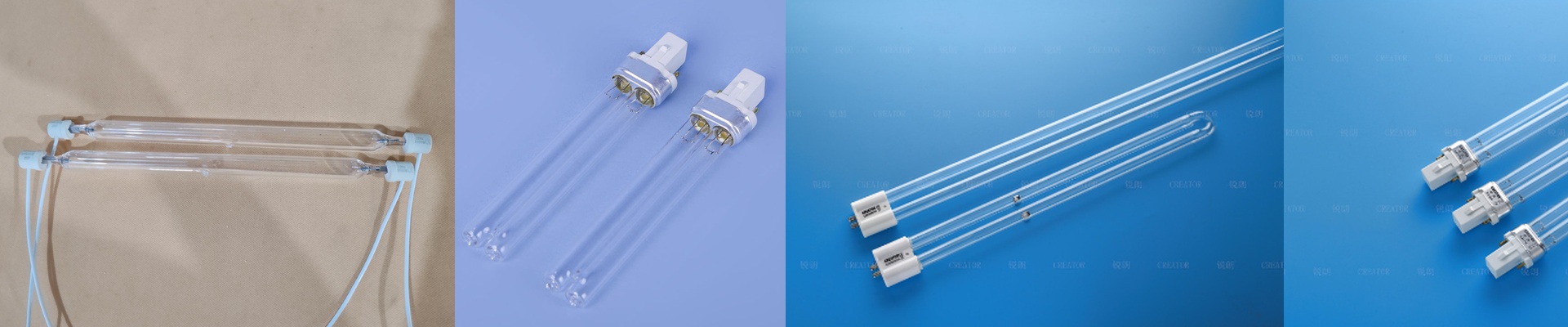
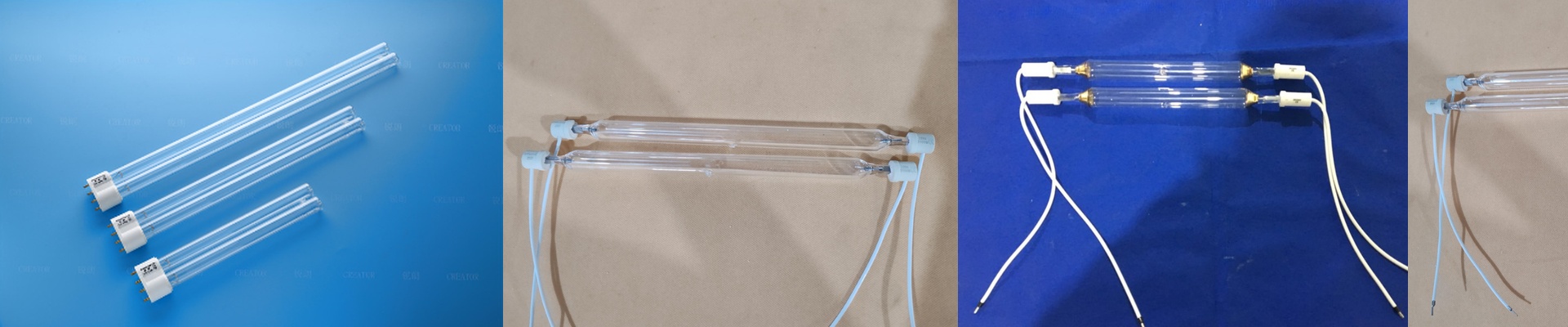
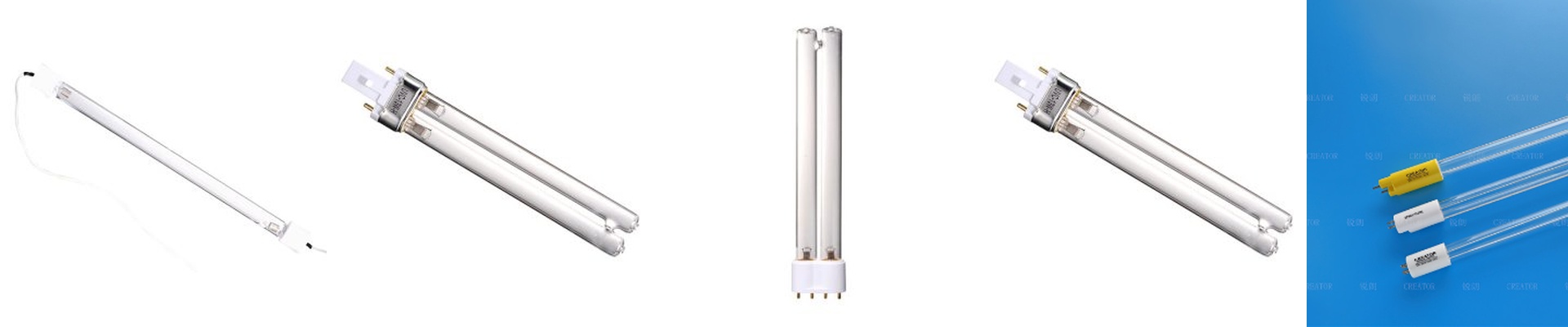
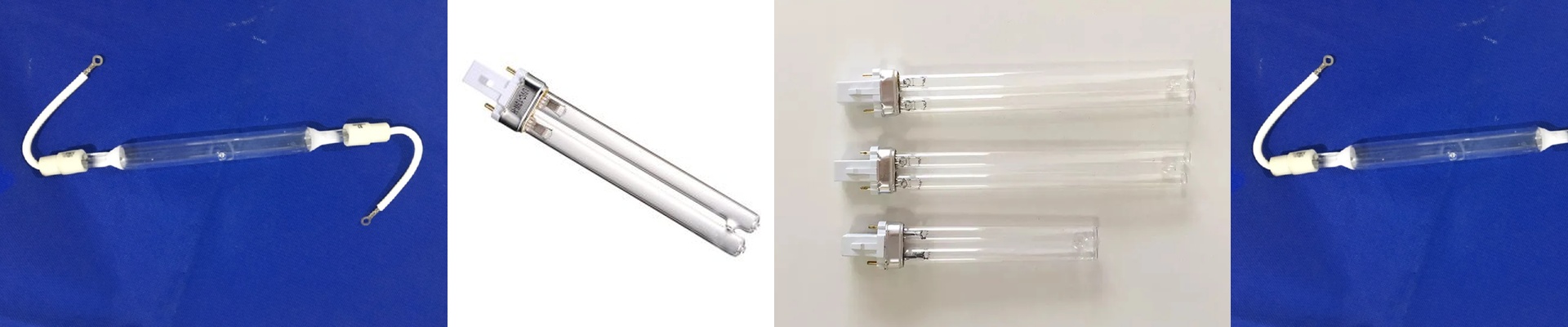
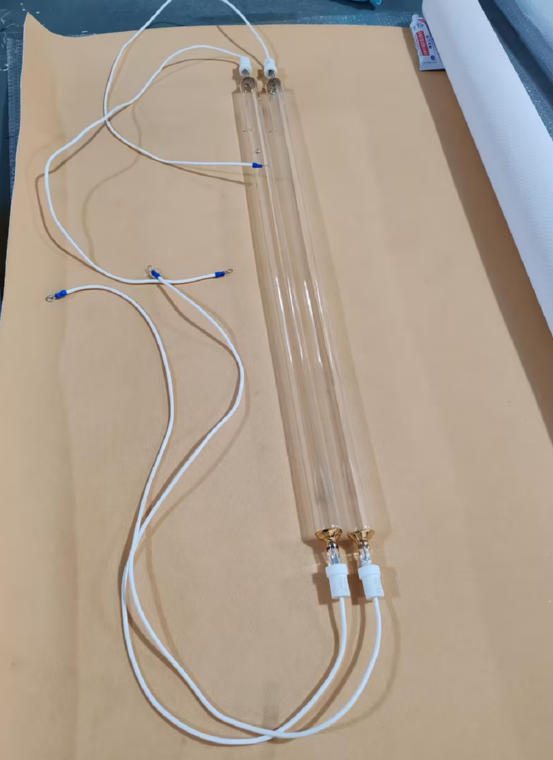
We don’t use standard glass. Why? Because standard glass blocks the very waves you’re paying for. Instead, we use high-purity quartz to make sure the UV gets through. We also put a lot of work into the electrodes. They’re built to resist sputtering, which is just a fancy way of saying the tube walls won’t turn dark and cloudy over time. Then there’s the power supply. Your ballast has to be a perfect match for the lamp’s voltage and current. If you hook a high-output lamp up to a weak power supply, it’s going to burn out way too fast. To make things easier, we build custom lengths and connectors so our lamps just slide right into your existing rigs. No fuss.
Managing the Heat
High-intensity lamps get hot. Really hot. The UV photons are doing the heavy lifting, but they leave behind infrared heat that can warp your materials. That’s why you can’t ignore your cooling. Whether you use fans or water-jackets, you’ve got to handle that thermal load. If the cooling fails, the temperature spikes and your UV output drops. We keep our results on par with the biggest names in the industry because we’re obsessive about the gas fill and the geometry of the electrodes. It just works.