Let’s Talk About Why Your UV Tubes Keep Burning Out
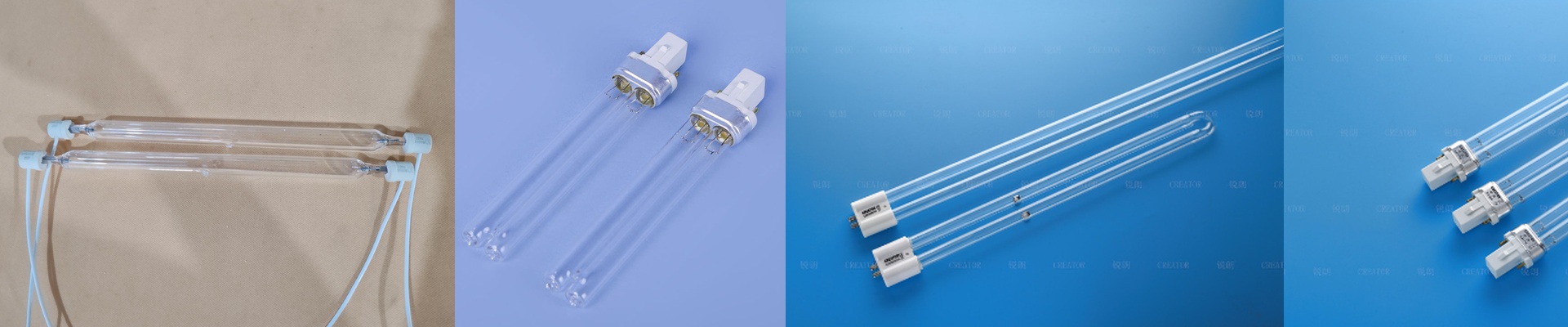
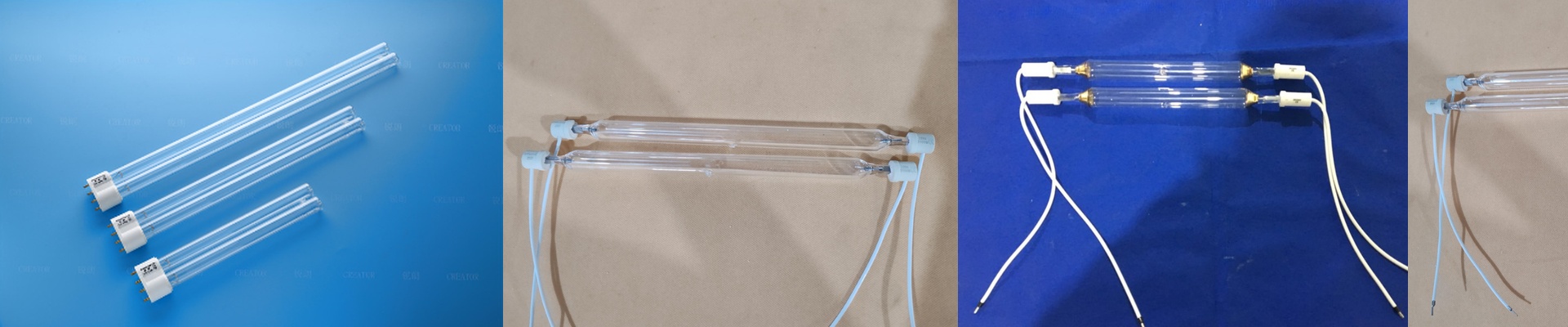
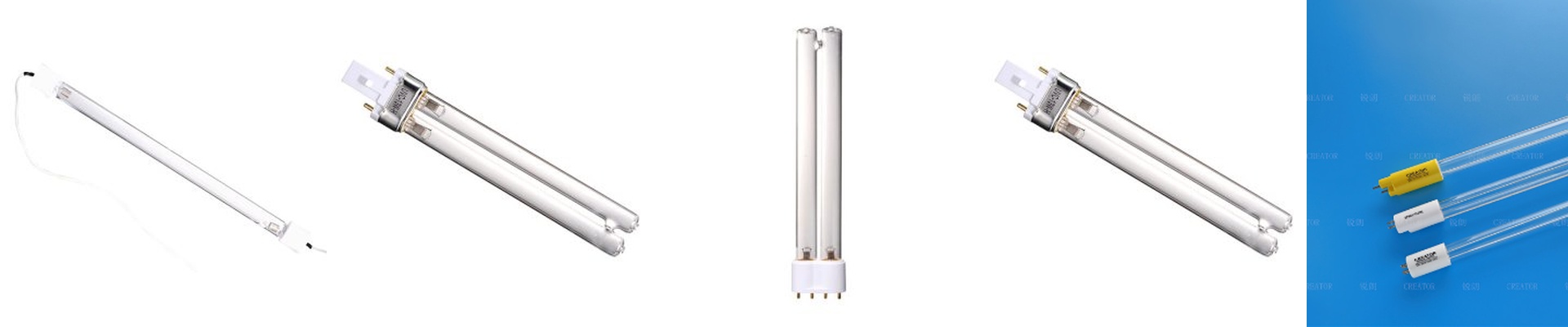
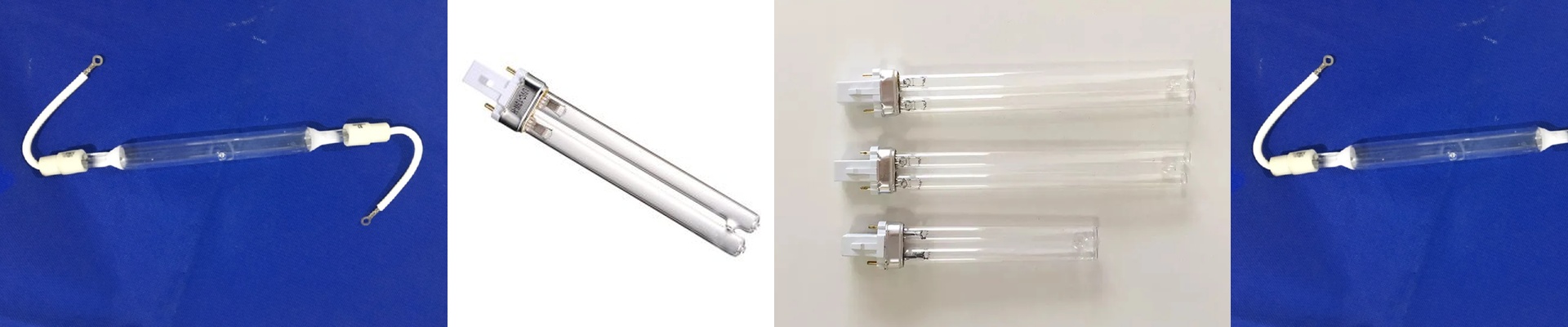
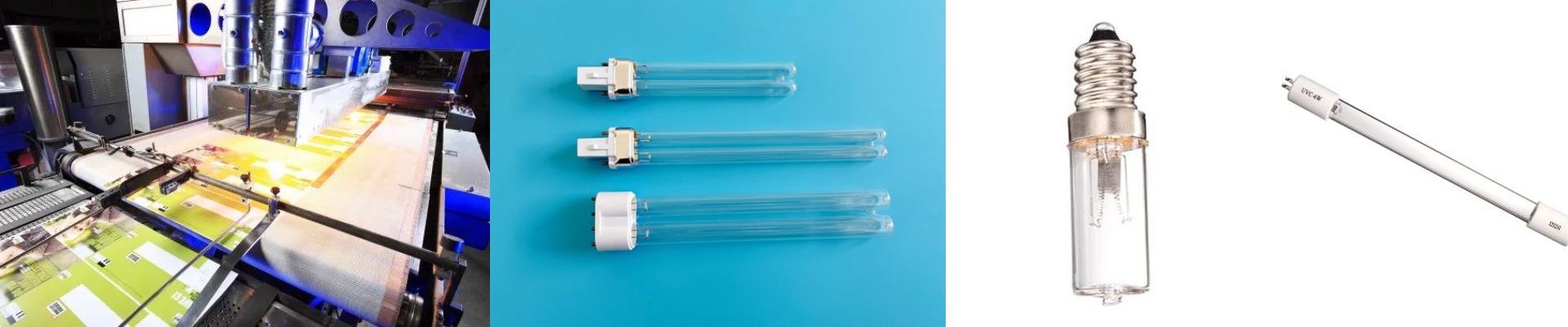
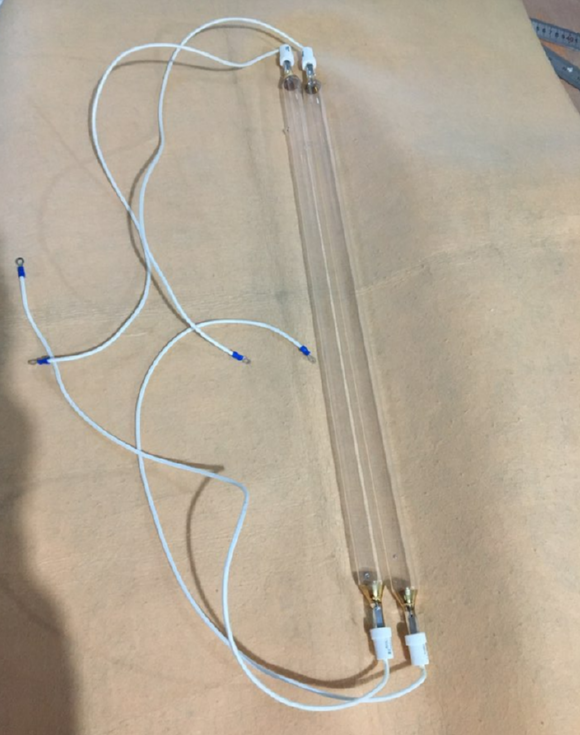
When you’re shopping for mercury UV curing tubes, it’s easy to think you’re just buying a piece of glass. But it’s actually more like buying a recipe. The mix of electrode materials and the purity of the quartz have to be exactly right, or the lamp just won’t last.
The secret to a tube that actually lasts
Ever notice how some lamps start to look “cloudy” inside? That’s called sputtering. Basically, metal ions start migrating and coating the inside of the glass. Once that happens, your UV light gets blocked, your curing speed tanks, and your production slows to a crawl. We use a specific coating on our electrodes to stop that from happening. It keeps the glass clear and the light steady. You get a consistent cure from the first part to the last, without having to guestimate if the lamp is still strong enough.
The headache of exporting (and how to avoid it)
Here is the thing about the UV industry: there are a lot of “generic” lamps out there. Most of them are just clones. If you’re shipping machines to the US or the EU with cloned tubes inside, you’re playing a risky game. Customs can seize your shipment, or you could end up in a legal mess over intellectual property. It’s a nightmare you don’t want. We hold our own patents on how our lamps are built. That means when your gear leaves the factory, it’s legally clear. You don’t have to worry about your shipment getting flagged or your supply chain hitting a brick wall.
A quick word on the setup
One thing to keep in mind: these long-life tubes are a bit more sensitive. You can’t just slam the power on and off like a light switch. They need a proper warm-up cycle to protect the electrodes. If your power supply is too aggressive, it’ll chew through the lamp life, no matter how good the patent is. Just make sure you’re using a compatible electronic ballast that handles the voltage ramp-up correctly. Do that, and you’ll actually hit those rated hours we promise.