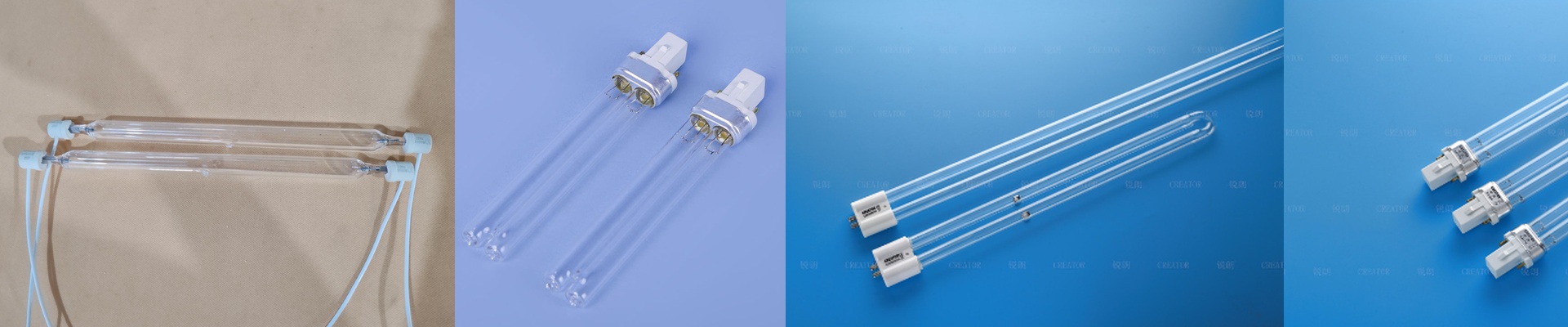

Making 120W/cm Mercury UV Lamps Actually Smart
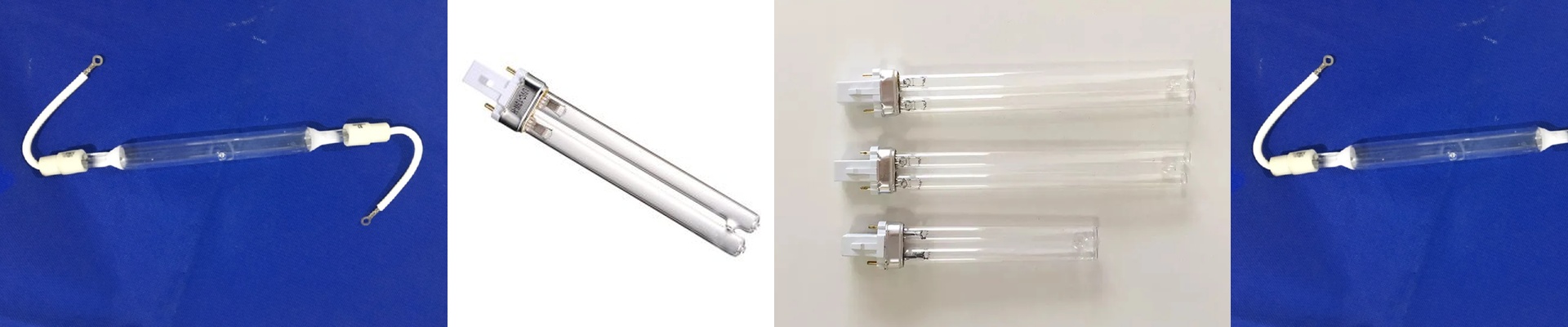
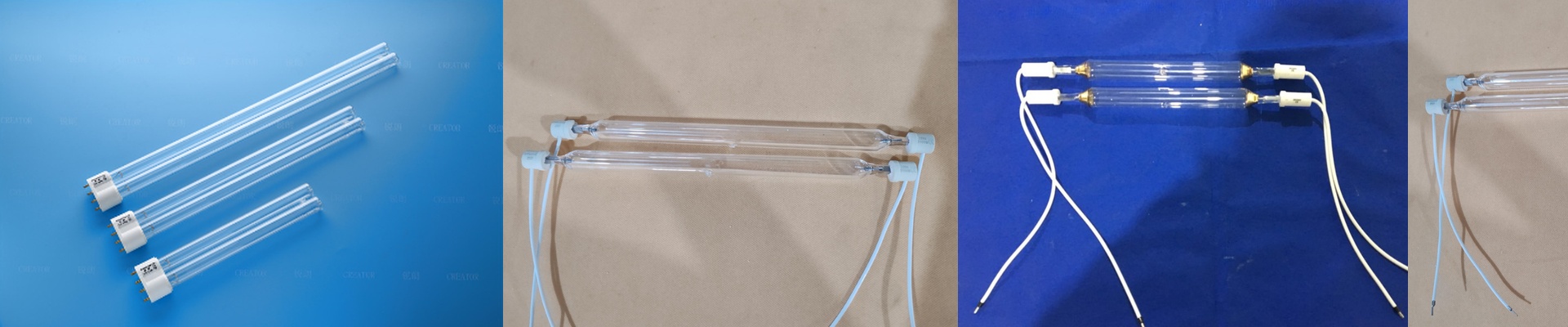
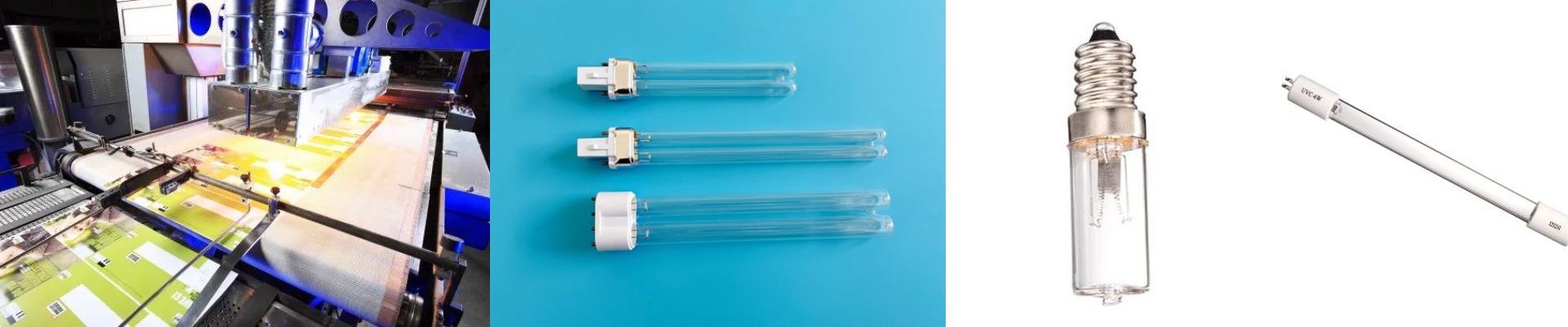
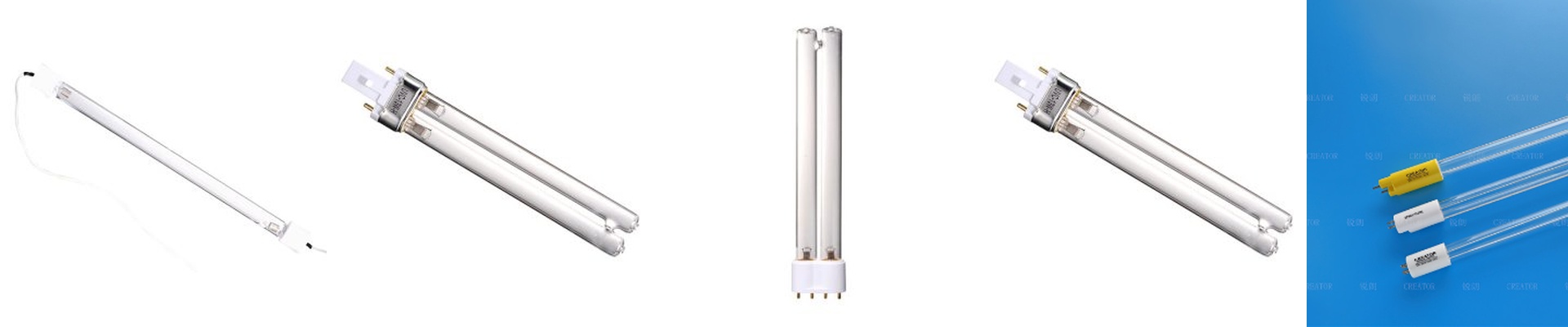
If you’ve spent any time in industrial curing or sterilization, you know the 120W/cm mercury lamp. It’s the old reliable. It does the heavy lifting. But for a long time, we’ve just been crossing our fingers and hoping they don’t quit on us at the worst possible moment. We’re changing that. We’re moving away from the “guess and check” method and moving toward hardware that actually tells you what’s going on. The heat struggle Packing 120W into every single centimeter is no joke. It’s a lot of energy in a very small space. That’s why it’s great for things like PET curing or high-speed sterilization—you get a concentrated blast of UVC that gets the job done fast. But there’s a catch. All that power creates a ton of heat. If your cooling fans aren’t up to the task, your quartz envelope is going to feel the stress. It’ll fail. We use high-purity quartz because it’s tough, but physics doesn’t lie: more watts means more heat you have to get rid of. If you don’t move that heat out, the lamp dies. Simple as that. Stop flying blind Here’s the thing about traditional UV setups: they’re basically blind. You see the lamp glowing, so you assume it’s working. Then, suddenly, a batch of product fails quality control and you realize the lamp was dying for days. That’s a nightmare. So, we started tracking the current draw and voltage fluctuations right at the ballast. Instead of just looking at the light, we’re watching the power curve. Now, you can see a lamp drifting toward the end of its life before it actually pops. It means you can swap it out during a scheduled break instead of having the whole line grind to a halt in the middle of a shift. Is it worth the extra effort? Look, adding sensors isn’t free. It costs a bit more upfront and makes your wiring a little more crowded. You’ll also need a controller to make sense of all that data. But think about the alternative. You stop throwing away perfectly good lamps just because a calendar told you it was “time” to change them. You stop scrapping expensive parts because a lamp lost its punch. You just replace them when the data says they’re actually worn out. It’s just a smarter way to run a line.