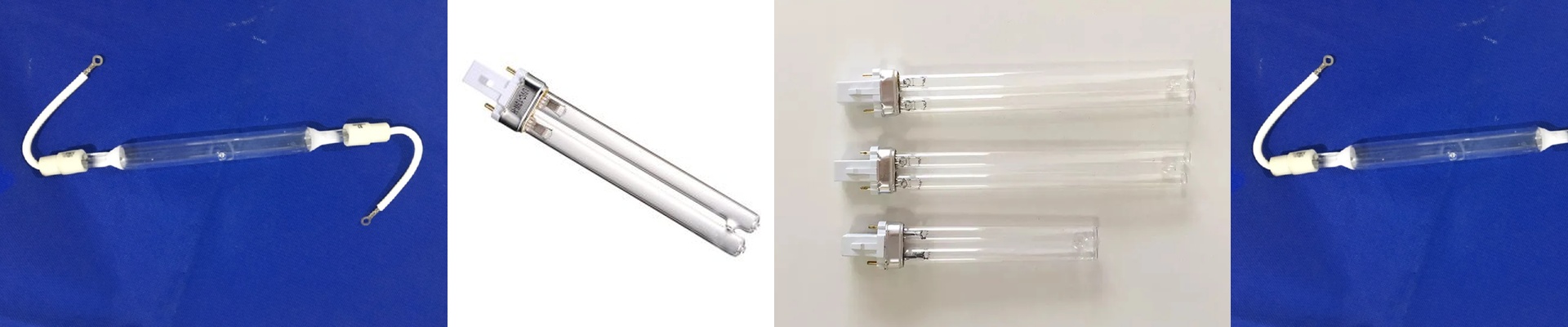
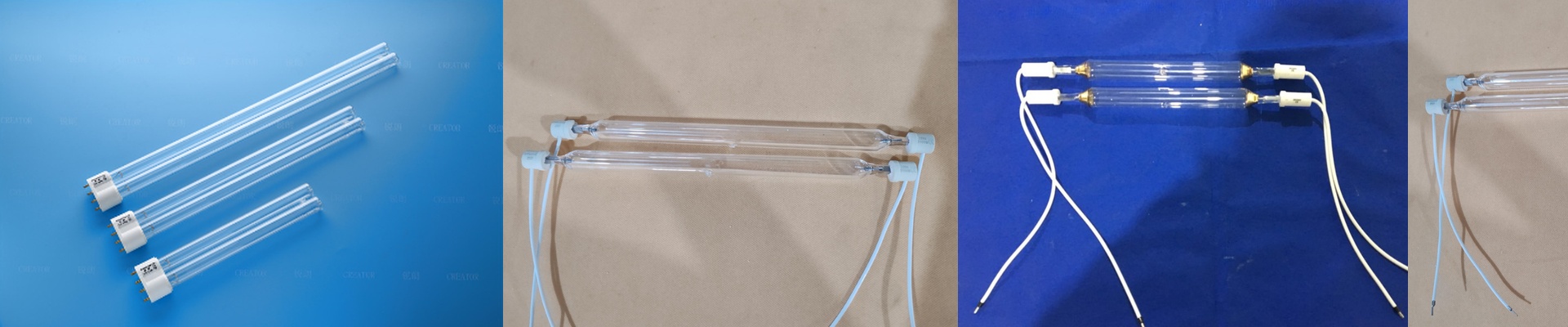
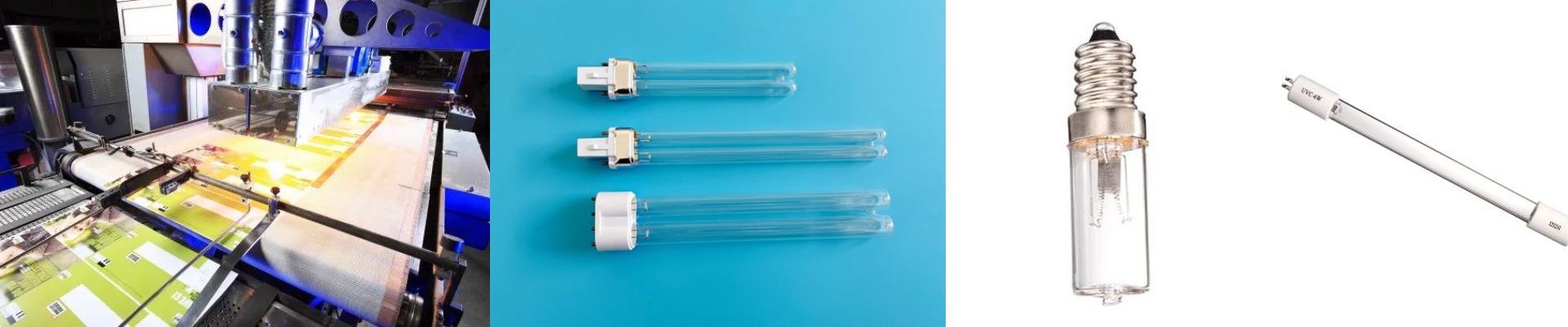
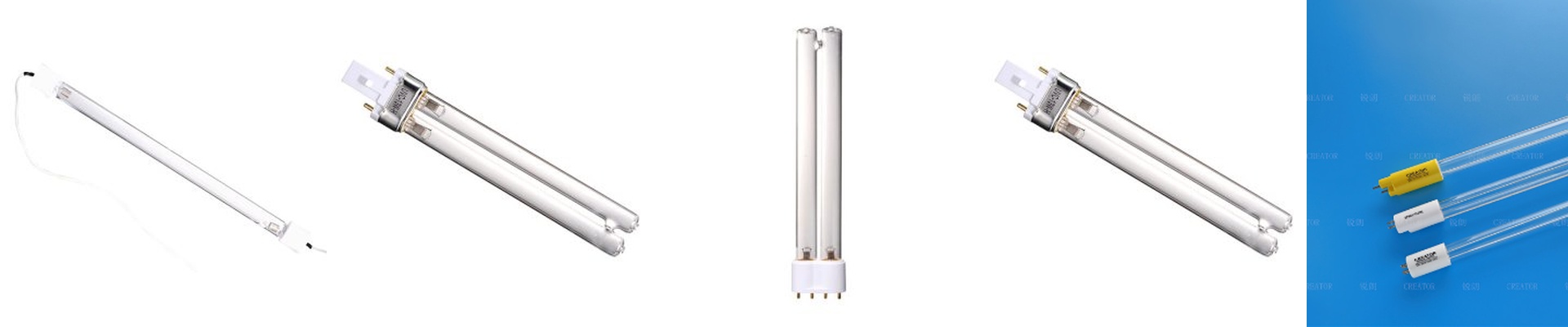
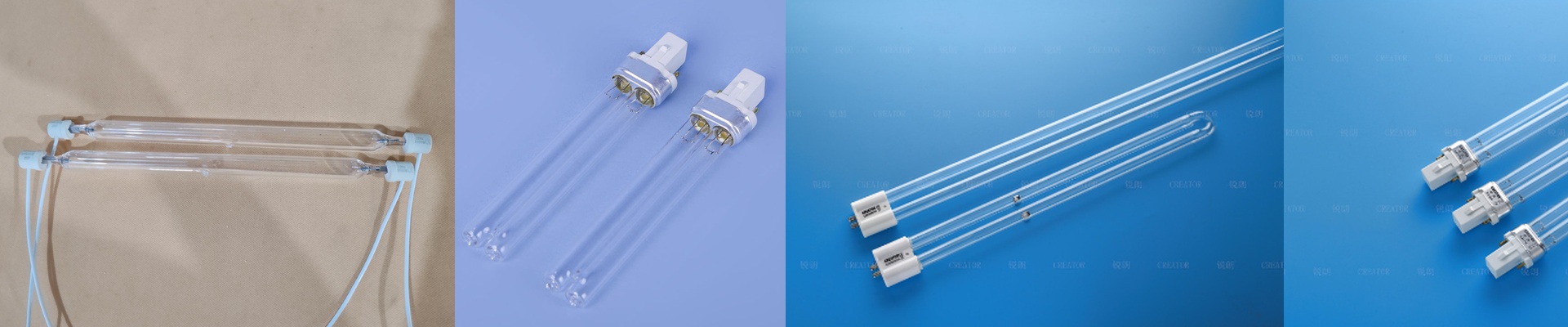
Let’s talk about the 120W/cm Mercury UV Lamp
If you’re setting up a UV curing line for printing or coating, you’ve probably seen “W/cm” all over your spec sheets. In plain English? That’s your power density. It’s the dial that controls how fast your line moves and how deep your cure actually goes. The 120W/cm lamp is the heavy hitter here. It’s built for those photopolymers that need to set now.
The power and the heat
Think of the 120W/cm rating as how much energy is packed into every centimeter of that quartz tube. It puts out a broad spectrum of UV—mostly UVC and UVB—which is great because it hits everything. It snaps the surface resins shut and reaches deep into the pigment layers so nothing stays tacky. But here’s the catch: all that power creates a lot of heat.A lot. If you’re working with materials that warp or melt easily, you can’t just crank it and walk away. You’ll need to tweak your conveyor speed or throw in a cooling stage to keep your substrates flat.
What’s actually inside?
We use high-purity fused quartz for the tubing. Why? Because we want as much UV light as possible to get out without getting trapped. Inside, we use pressurized mercury vapor to keep the arc steady. Since these lamps run at high voltages and get scorching hot, the end-cap seals have to be perfect. If even a tiny bit of oxygen leaks in, the lamp burns out way too soon. It’s a delicate balance of brute force and precision.
Fitting it into your workflow
The good news is that these are pretty easy to swap into most standard UV housings. They plug right into your existing electronic ballasts, so you don’t have to rewire your whole shop. For the engineers trying to save space, this high output is a win. You can keep your curing tunnel small without slowing down your production. One last tip:Keep your reflectors clean. It sounds simple, but a little bit of dust on those mirrors will kill your intensity faster than the lamp wearing out. Give them a wipe, and you’ll keep that snap-cure feeling a lot longer.