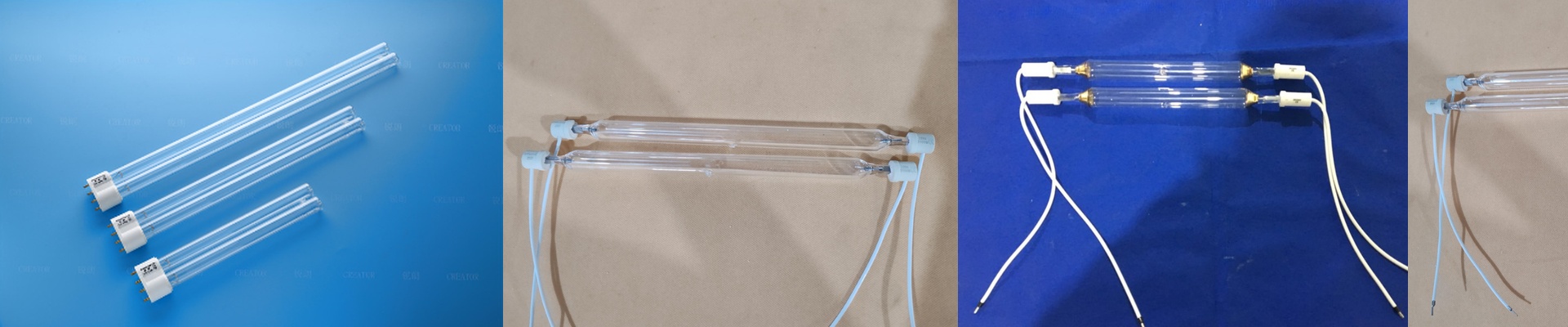
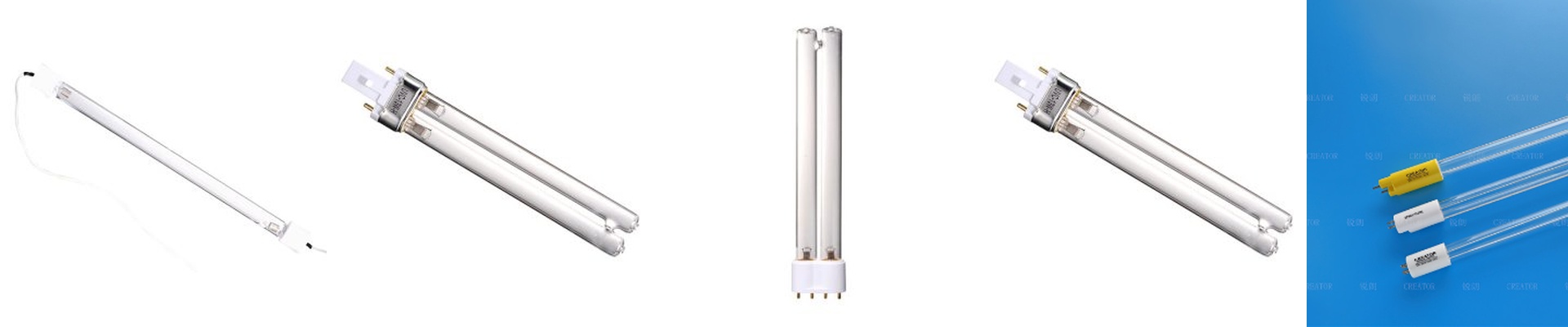
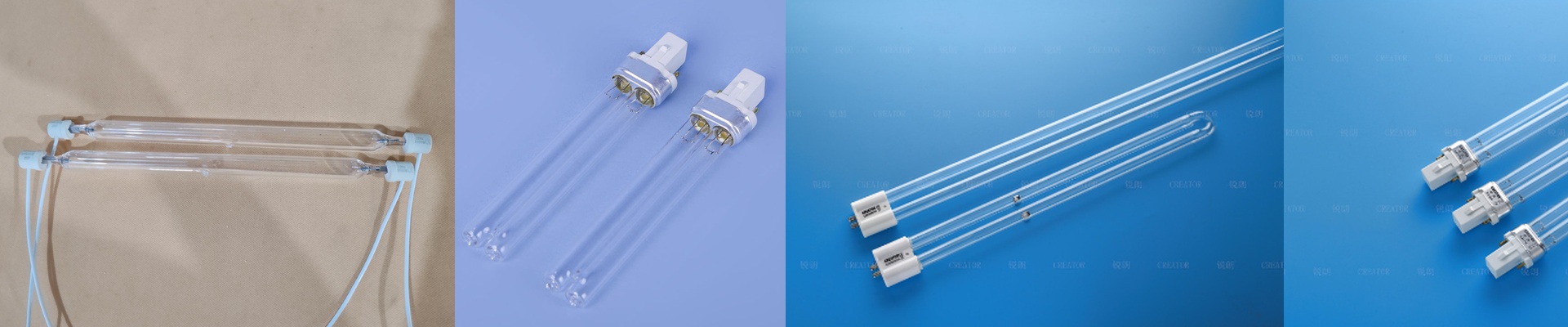
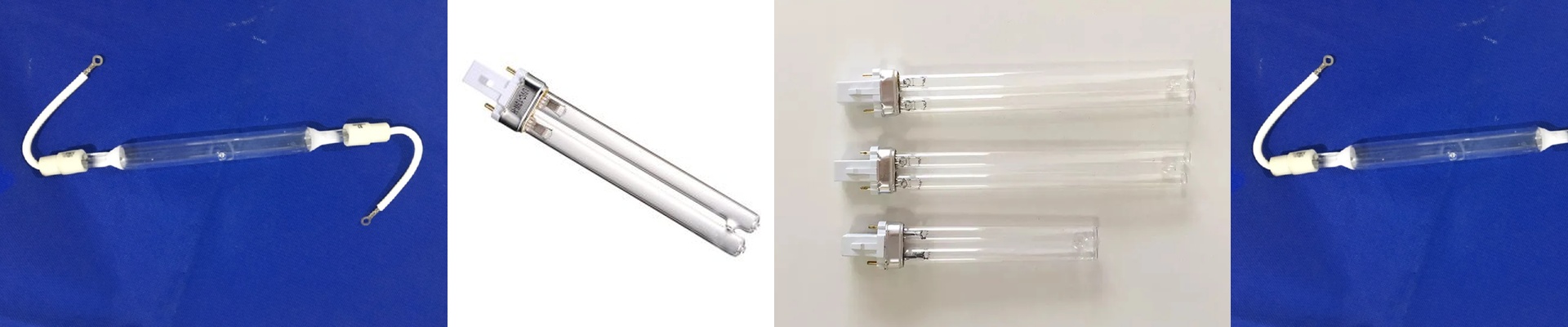
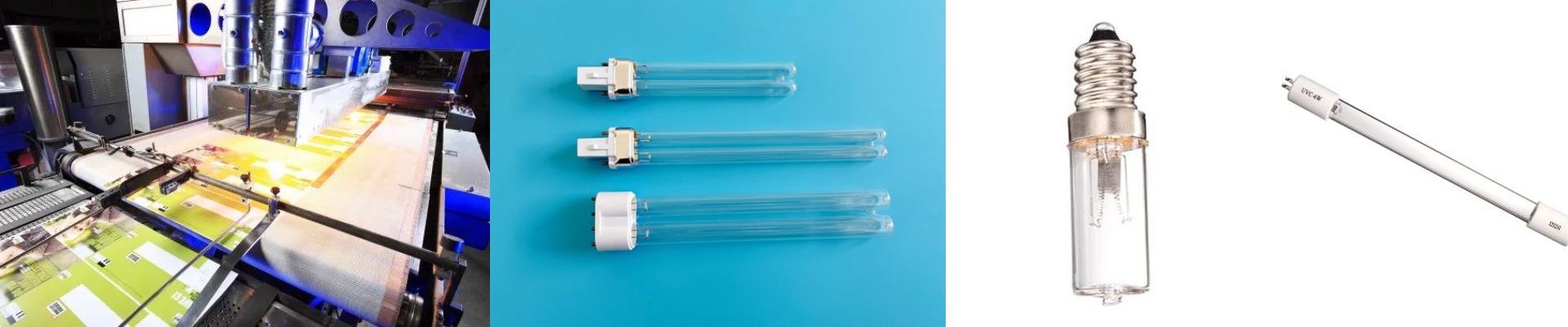
Let’s Talk About the 80W/cm Mercury UV Lamp
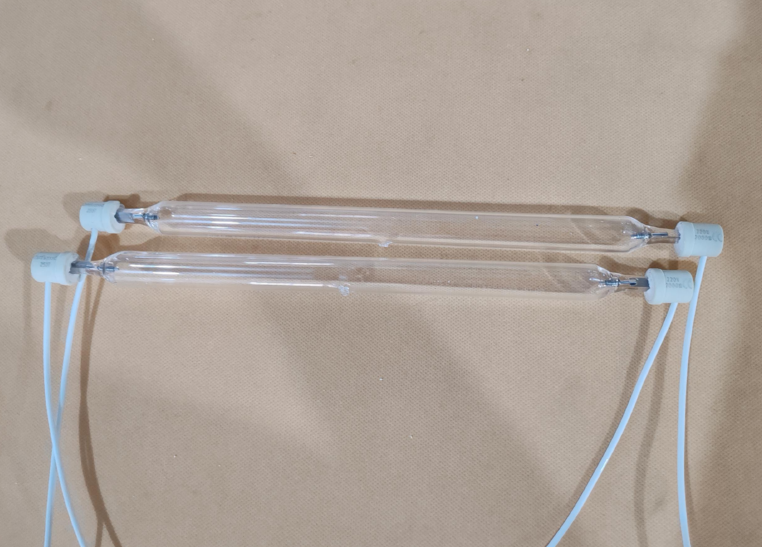
When we set our standard mercury UV lamps to 80W/cm, we aren’t just picking a number out of a hat. There’s a very practical reason for it. If you’re doing high-speed textile printing, you need a specific kind of punch to get those UV-curable inks to set instantly. 80W/cm is that sweet spot. The battle against “surface cure” Here is the thing about power density: you need enough UVC and UVB radiation to punch through the ink. If the power dips too low, you run into a nightmare called “surface cure.” That’s when the ink feels dry to the touch, but the moment you handle the fabric, it smears. It’s frustrating, it ruins the product, and it’s a total waste of material. We use a mercury-vapor discharge to make sure the cure goes all the way down to the fibers. Quartz and the heat problem We house the mercury arc in high-purity fused quartz. Why? Because regular glass would just soak up the UV rays. Quartz lets them fly right through. But there’s a catch. Pushing 80W/cm getshot. Really hot. If your conveyor is crawling or your exhaust fans are choked with dust, you’re going to scorch your fabric. Keep a close eye on your cooling system. If the quartz overheats, it doesn’t just stop working—it can actually crack. Getting it right on the floor These lamps are basically the final quality check for your textiles. They snap the pigment into the fibers in a heartbeat, which means you can ditch those massive, clunky drying tunnels. Just a heads-up on the setup: make sure your ballast matches the lamp’s impedance. If they aren’t a perfect pair, you’ll see flickering, or worse, the lamp will burn out way too soon. And if you’re running 24/7 shifts, don’t replace all your lamps at once. Stagger them. That way, your cure rate stays steady across the whole line and you don’t have a sudden dip in quality.