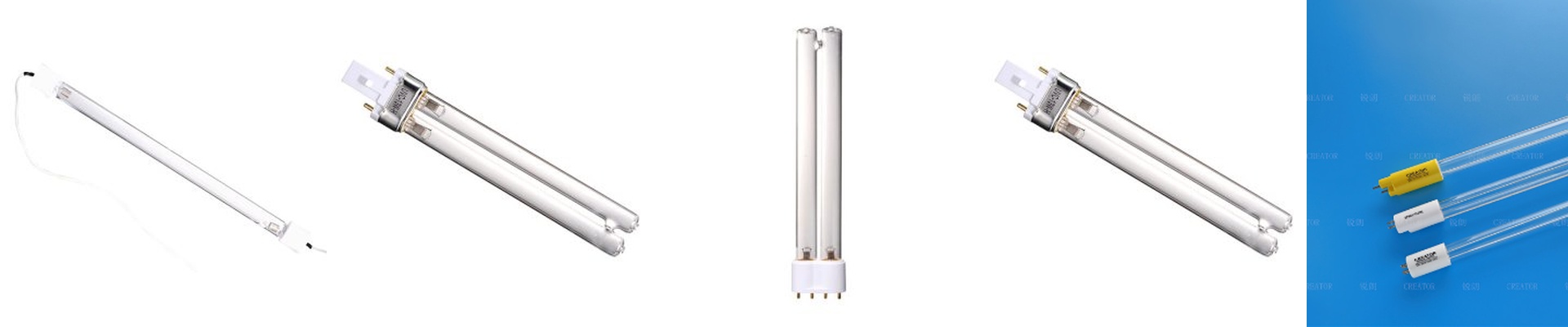
The Hidden Headache of Exporting UV Lamps
Here’s something most people don’t realize when they’re sourcing UV lamps for export: you aren’t just paying for a piece of hardware. You’re actually paying for the legal right to sell that thing in another country. It sounds boring, but it’s a nightmare if you get it wrong. A lot of factories are basically just assembly lines. They use generic designs they found somewhere, and more often than not, those designs rip off someone else’s patent. If your supplier doesn’t actually own the tech they’re selling you, you’re playing a dangerous game. One bad day at customs and your entire shipment gets seized. Or worse, you get hit with a lawsuit the moment your machines land in a new market. The problem with “standard” designs Most cheap UV lamps look the same because they follow the same basic blueprint. That’s where the trouble starts. If some company in the US or EU holds a patent on a specific way the electrode is shaped or how the quartz is coated, they can stop your shipment cold. We decided to do things differently. We built our own UV architectures and patented them. When you use our gear, you aren’t triggering any red flags. You can breathe easy knowing your cargo isn’t going to get stuck in a warehouse because of a legal dispute you didn’t even know existed. Total control over the build Because we own the patents, we call the shots. We don’t have to rely on some dusty, third-party blueprint that might be outdated or legally shaky. Need a specific wattage? A different spectral output? A cooling footprint that actually fits your machine? We can just do it. We tweak the specs to fit your exact needs without worrying about stepping on anyone’s toes. It makes getting a “drop-in replacement” way simpler and, more importantly, legally clean. Is it more expensive? Yeah, probably. Patented tech usually costs a bit more upfront than some no-name lamp from a generic factory. You’re paying for the actual research and the legal paperwork that protects you. But look at it this way: that extra cost is tiny compared to the price of losing an entire shipment or spending six figures on a lawyer. We stick to “safe export” designs. We double-check every single detail—from the housing to the ballast—against international patent databases. You get a product that actually works, and a supply chain that doesn’t snap the moment things get complicated.