
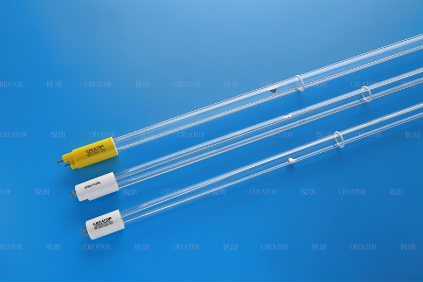
Making Gallium Iodide Lamps Work (Without Breaking the Bank)
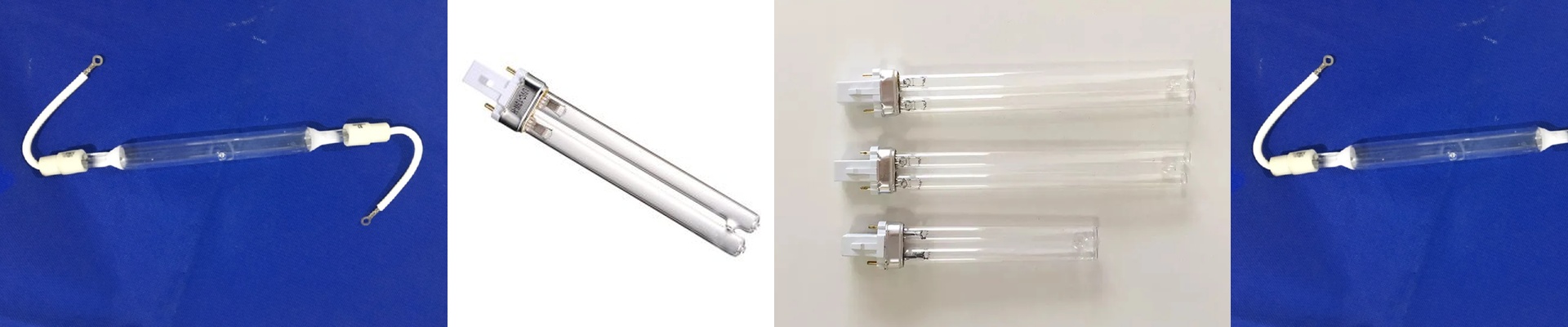
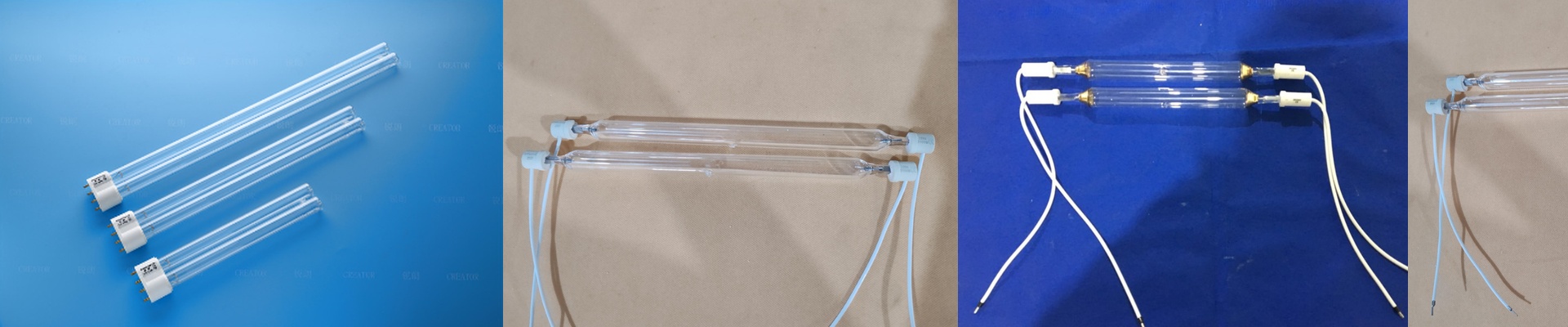
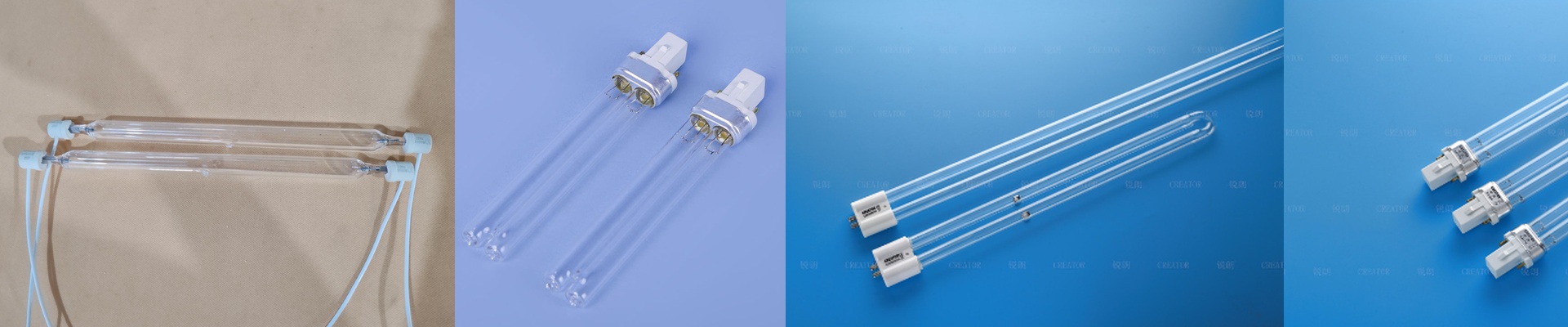
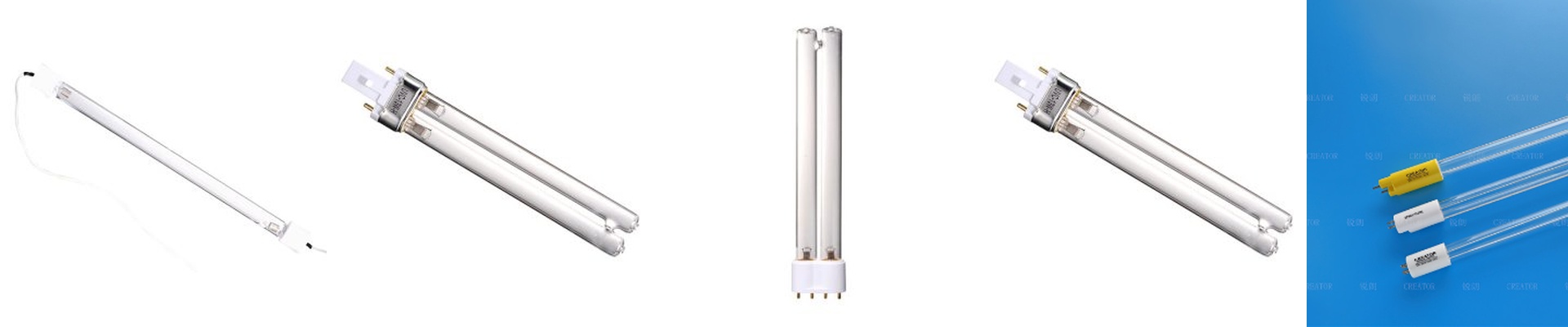
Here is the deal with gallium iodide lamps: they’re all about getting the light exactly where you need it. By playing around with halide chemistries, we can push the output into those ultraviolet and short-wave infrared bands. If you’ve got a specific curing job or industrial heating project that needs a very precise wavelength, this is how we hit that mark.
Getting the Spectrum Right
The secret sauce is the gallium iodide fill. Standard halogen tubes just can’t do what this chemistry does when it comes to tuning the emission. But the gas is only half the battle. We use high-purity fused quartz for the envelope. Why? Because regular glass would just soak up all that UV output. If you’re running a high-intensity setup, the quartz grade has to be spot on. If it’s even slightly off, the tube will overheat and burn out before you know it.It’s a delicate balance.
Why We Do Everything In-House
We handle the whole chain. From the initial quartz tubing to the final seal, it all happens under one roof. This is how we keep the costs down without cutting corners on the gas fill. We don’t have to pay a middleman or deal with third-party markups on vacuum sealing and dosing. Plus, you get a direct line to the people actually making the lamps. If you need a custom length or a specific wattage to fit into a tiny space, we don’t have to spend a week “checking with the vendor.” We just tweak the winding and the fill, and you’re good to go.It’s much simpler that way.
A Few Tips on Heat and Setup
These lamps pack a punch. They deliver a ton of energy, which is great for speeding up your production, but it’s tough on your reflectors. Keep your housing clean. Seriously. Even a little bit of dust on the reflector can bounce heat right back into the tube. That creates a hot spot, and that’s how you crack your quartz. And one more thing: keep the air moving. A steady breeze over the electrodes will keep them cool and make your lamps last a whole lot longer.