Getting UV Curing Right in Textile Production
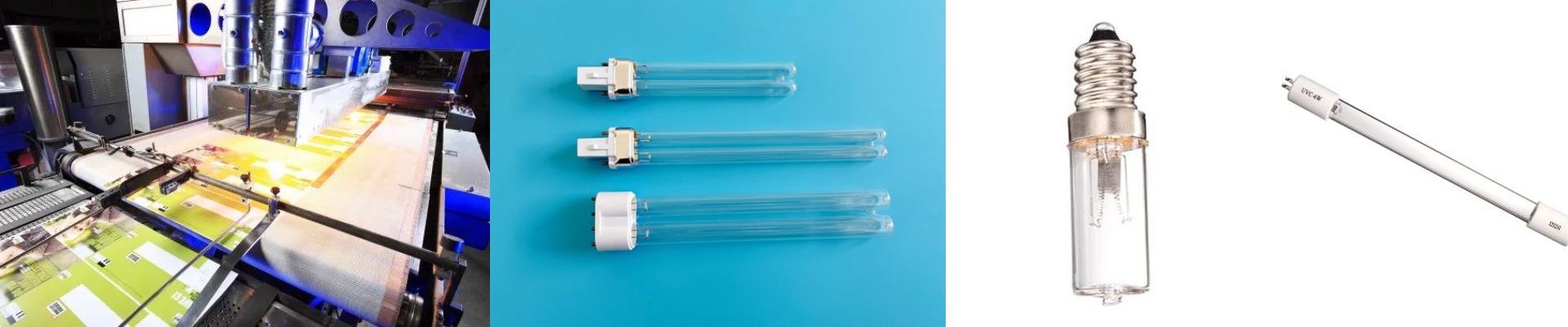
Think of UV lamps as more than just a way to dry things. They’re actually chemical triggers. In our world, we use custom UV setups to take a product from a raw fiber to a finished piece of clothing using photopolymerization. The best part? It replaces those massive thermal ovens. We’re talking about shrinking curing times from hours down to a few seconds. It’s a total shift in how the floor operates.
Picking the Right Light
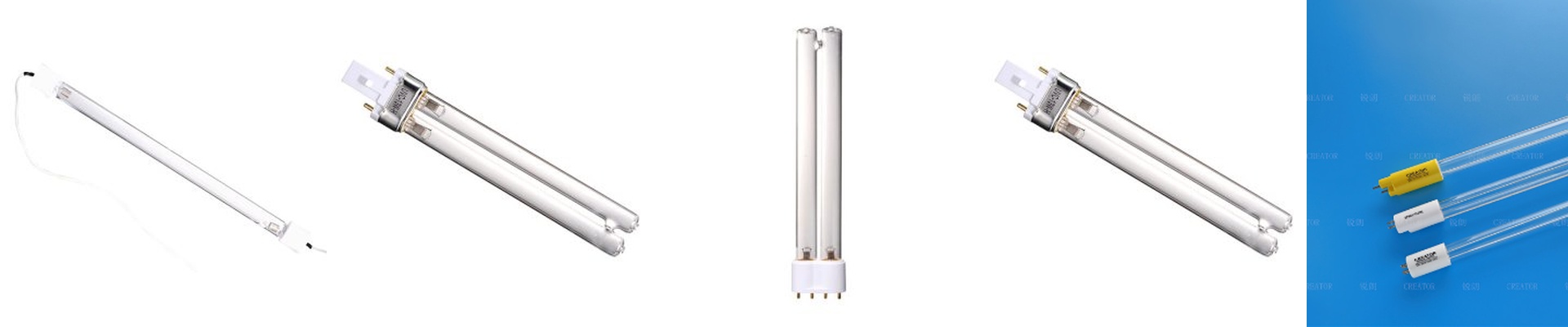
We don’t just grab any bulb off the shelf. You can’t. If you’re curing screen-printed inks, you need something different than if you’re bonding synthetic fibers. We have to spec out the wavelength. For example, shortwave UV-C is great for sterilization or getting a surface “active” and ready to bond. But for the dyes and photo-initiators we use most often, UVA is the way to go. Then there’s the power density—and this is where things get tricky. If you cram too much wattage into a small space, you’re going to scorch the fabric or watch the whole substrate shrink right in front of you. It’s a balancing act between how much power you’re pumping out and how fast the conveyor is moving. You have to get the distance between the lamp and the fabric exactly right, or you’ll end up with patchy curing across the width of the web.
The Hardware Side of Things
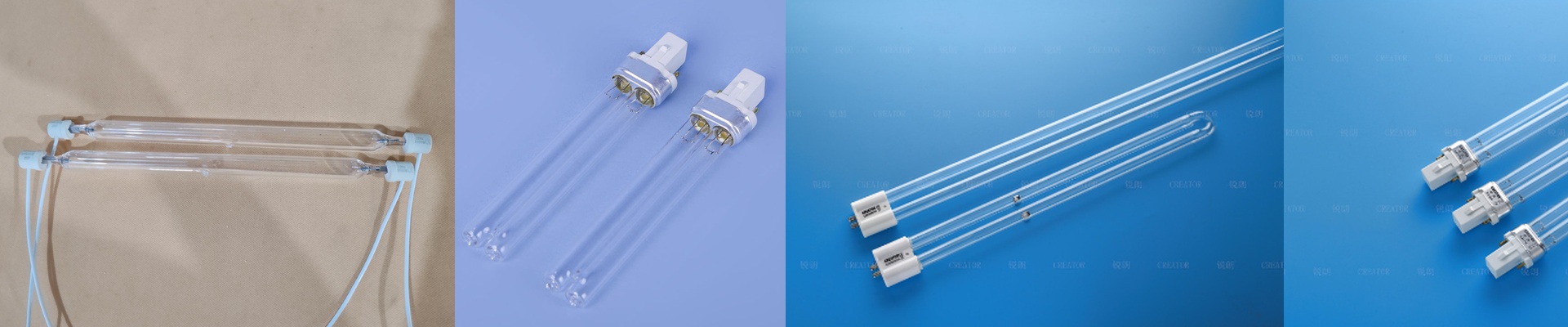
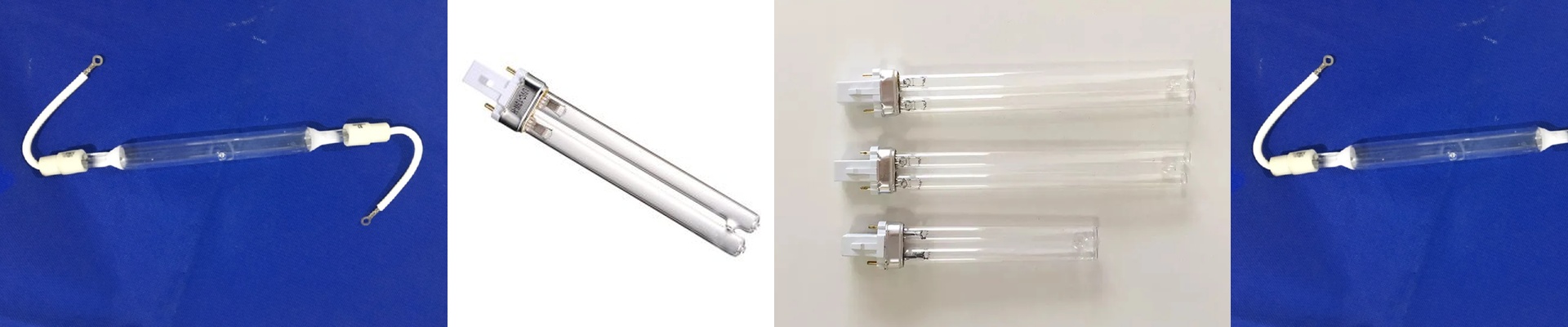
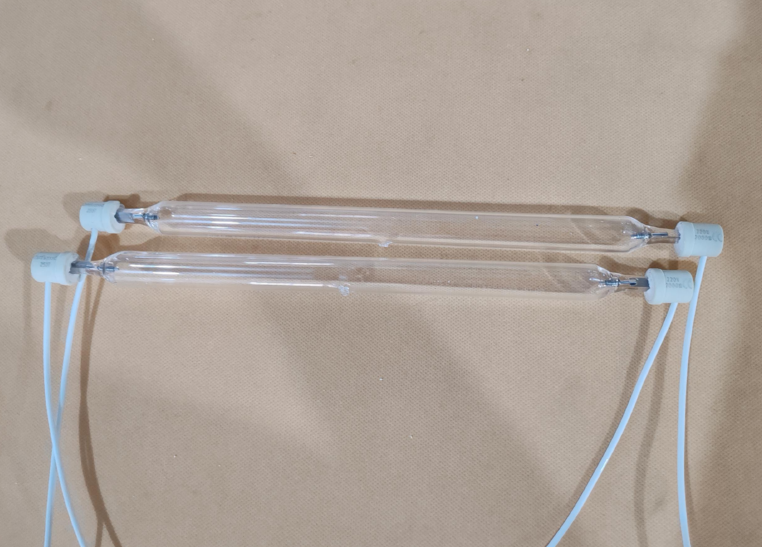
Here’s the thing: UV lamps get hot. Really hot. To stop the glass from cracking under all that thermal stress, we use quartz envelopes. And to keep the lamps from just burning out, we lean on forced-air cooling or water-cooled jackets. It keeps the gear stable. I also pay a lot of attention to the connectors. They handle a ton of current, so they need to be tough. We use heavy-duty sockets because lamps get swapped out often, and the gear takes a beating. Plus, if you’re running high voltage, you’ve got to shield your wiring. Otherwise, the electromagnetic interference will start messing with your PLC controllers, and nobody wants to deal with a glitchy system mid-run.
The Trade-off: Speed vs. Life
It’s tempting to push a lamp to 120% of its rated power just to speed up the line. You can do it, sure. But you’ll kill the lamp’s lifespan by about 30%. In my experience, it’s better to just run them at their nominal rating. It keeps the chemistry consistent, which is exactly what you want when you’re pushing through a 10,000-piece run.