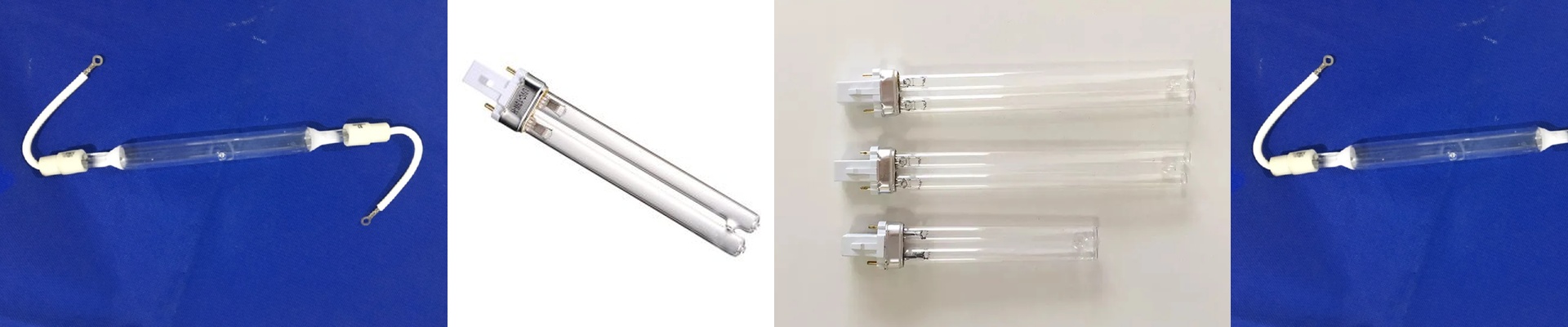
Building Your UV Lamp Brand: Let’s Talk Quartz Tubes
If you’re trying to scale a UV lamp brand, you quickly realize it takes a lot more than a cool logo and a website. You need a supply chain that actually gets the physics. One wrong move with the quartz glass or a slightly off-center electrode, and your product is basically a paperweight. That’s where we come in. We handle the heavy lifting on the OEM side so you can design tubes that actually work for your specific use case.
Getting the Specs Right
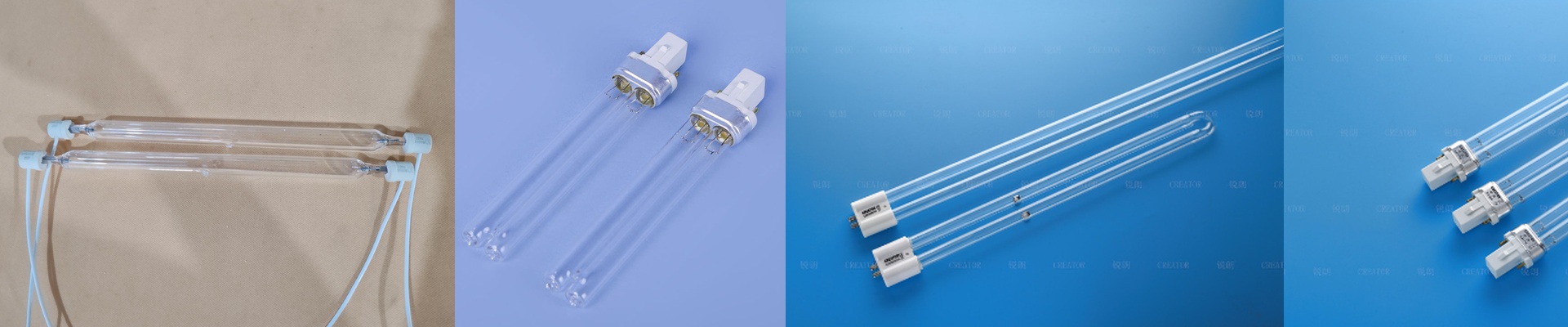
Here’s the thing: UV performance is all a balancing act. You’re juggling wattage, voltage, and the actual length of the tube. We build these to fit your exact footprint. But keep in mind, if you cram high wattage into a short tube, you get a ton of power—which is great for output—but it puts a lot of stress on the quartz. You’ve also got to make sure your ballast matches these specs perfectly. If you over-drive a tube that isn’t rated for that voltage? You’ll fry the electrodes way too soon. Nobody wants a customer calling them to complain that their bulbs are burning out in a week.
The Nitty-Gritty: Materials and Connections
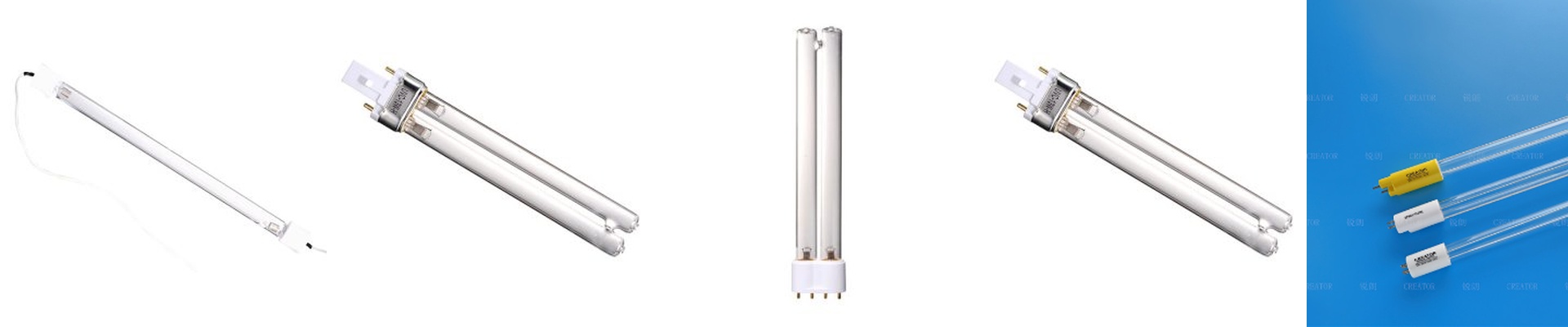
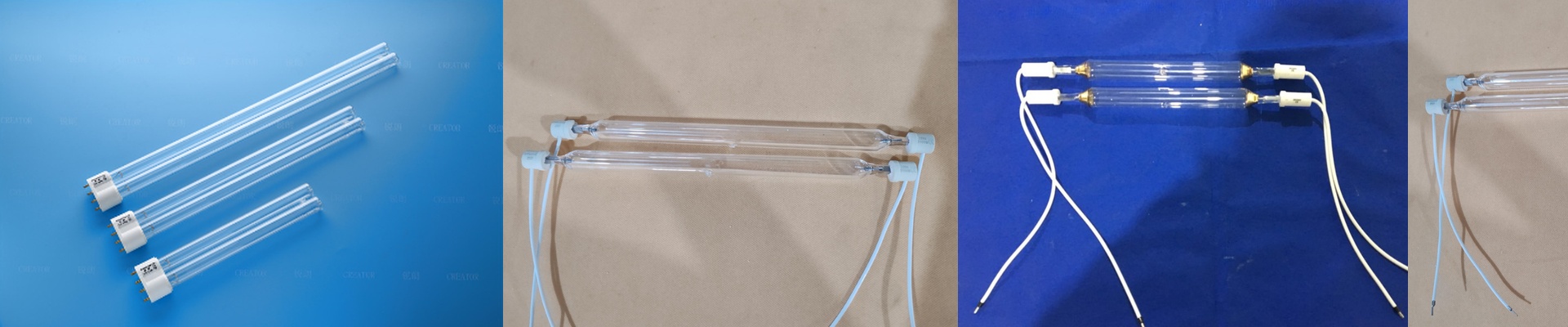
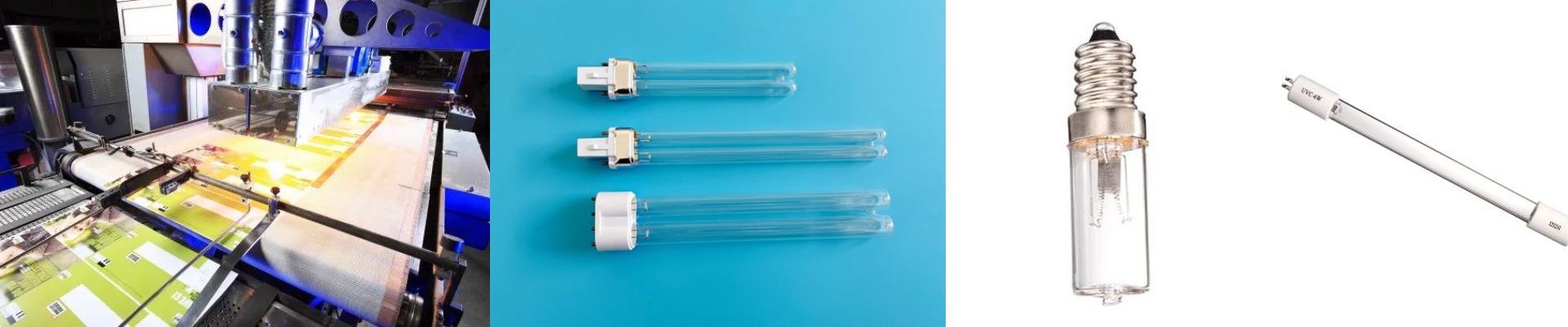
We use high-purity fused quartz. Why? Because standard glass just blocks shortwave UV. Quartz lets it fly right through. If you need to shift the wavelength or keep contaminants out, we can add specific coatings to make that happen. But the real headache is usually the wiring. This is where most lamps fail. We use the usual suspects like R7s or Sk15 connectors, or we can do custom pins if you need a tighter fit. A loose connection isn’t just annoying—it creates heat at the cap. Too much heat, and the quartz cracks. To stop that, we weld the electrodes so they can handle the constant heating and cooling of industrial work without snapping.
The Trade-Offs (The Honest Part)
Let’s be real: you can’t have everything. Customizing your lamps always involves a bit of a compromise. Usually, if you push for insane UV intensity to speed up curing or sterilization, you’re trading off the lifespan of the lamp. Your customers will get the results they want, but they’ll be replacing tubes more often. We’ll sit down with you and find that sweet spot. You want a lamp that hits the right microwatts per square centimeter but doesn’t cost your customers a fortune in replacements. It’s all about finding that middle ground.