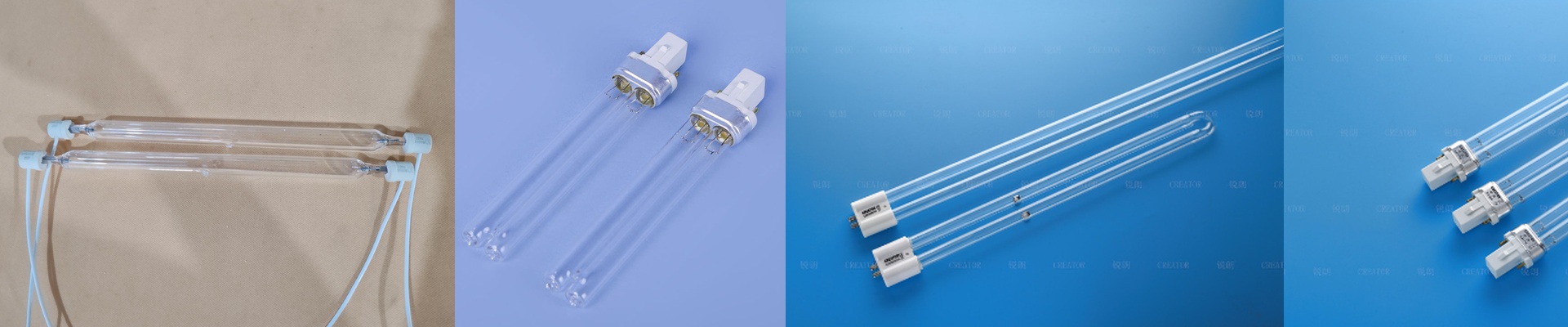
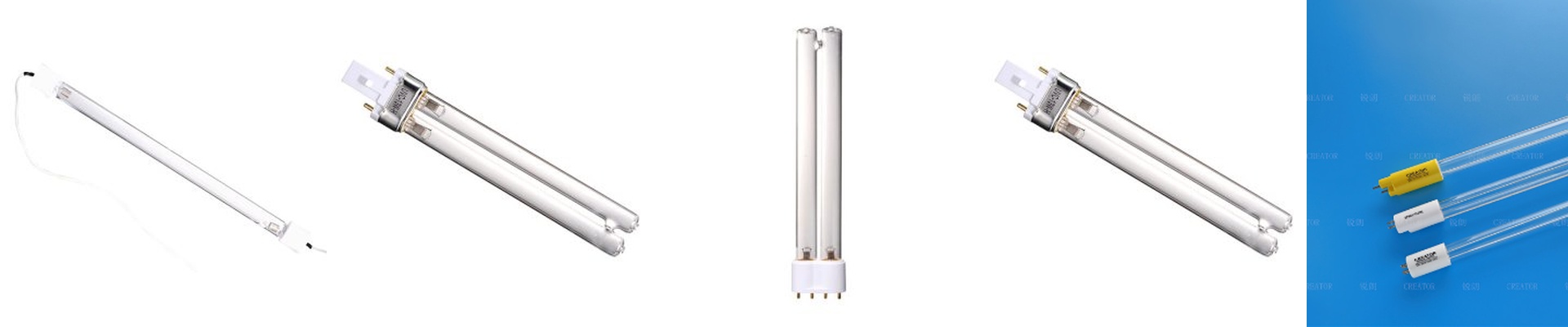
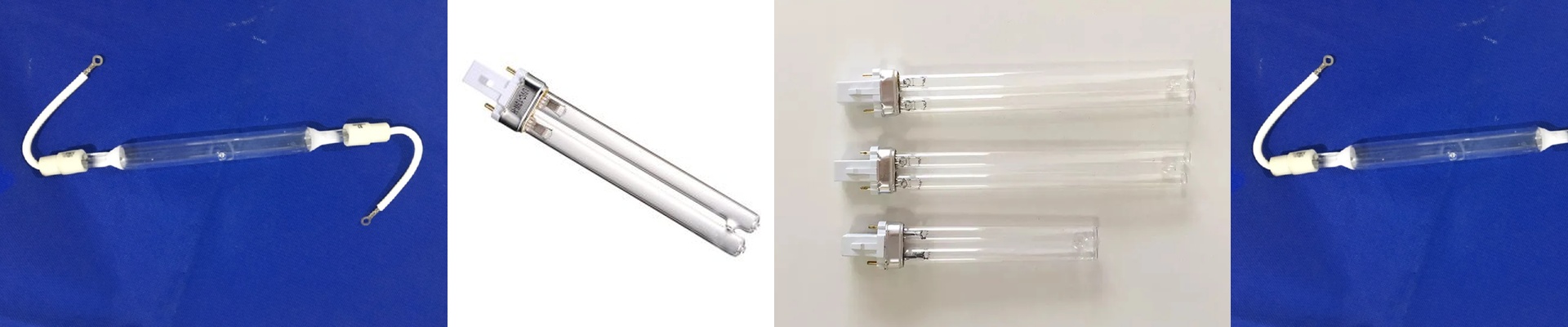
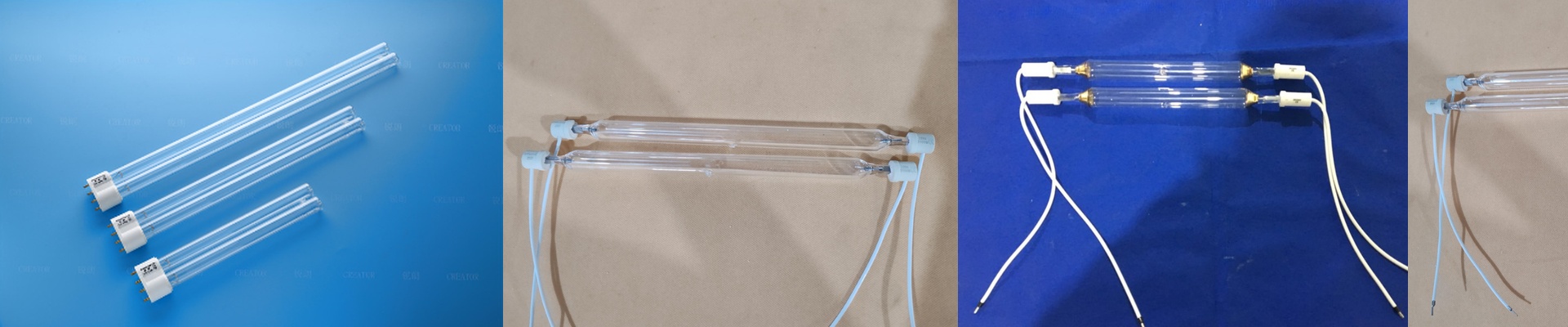
Getting Gallium Iodide Lamps Down to 0.5% Spectral Concentration
Most UV lamps are like floodlights—they throw energy everywhere. But if you’re doing something high-stakes, like medical sterilization or curing semiconductors, you don’t want a flood. You want a laser-focused beam. We spent a long time in the lab trying to hit a 0.5% spectral energy concentration. It sounded simple on paper, but the reality was a bit more chaotic.
The struggle with the physics
To hit that 0.5% mark, we had to get obsessive about the details. We’re talking about the purity of the quartz and the exact mix of the gallium iodide gas. If the gas mix is off by even a tiny bit, the whole peak shifts. We spent months tweaking the filling pressure and temperature profiles just to keep that peak locked in place. It’s not about making the light “better.” It’s about stopping the waste. When you squeeze all that energy into one narrow band, the material you’re working on just sucks it up faster.
Dealing with the heat
Here’s the catch: when you concentrate energy like this, things get hot. Really hot. If your housing can’t move that heat away fast enough, the quartz expands. And when the quartz expands, your 0.5% precision vanishes. It’s frustrating. To keep things stable, you can’t just wing it. We recommend using a water-cooled jacket or a forced-air system. Keep it cool, keep it precise.
Putting them to work
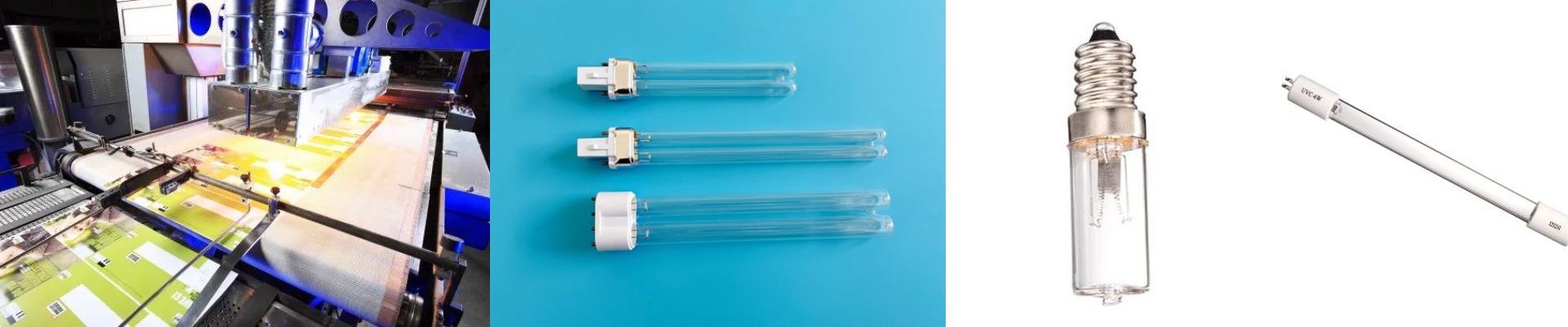
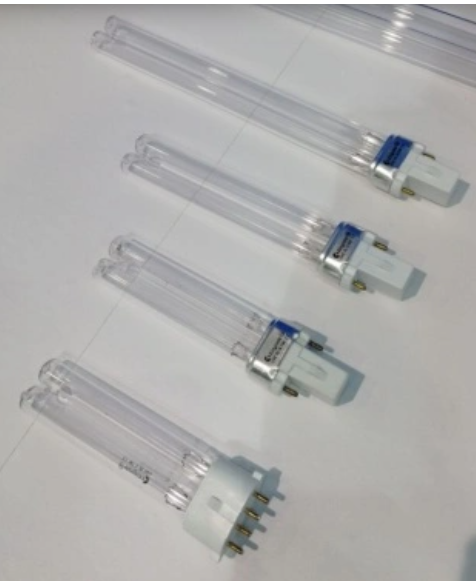
We made these as drop-in replacements, so they fit most industrial UV footprints. You can wire them right into your current setup. But a quick heads-up: check your ballasts. Gallium iodide lamps don’t behave like standard mercury vapor lamps. Their impedance curves are different. If your ballast isn’t tuned to the right wattage, you’re going to fry your electrodes way sooner than you should. At the end of the day, this kind of precision is what keeps a batch from ending up in the scrap bin.