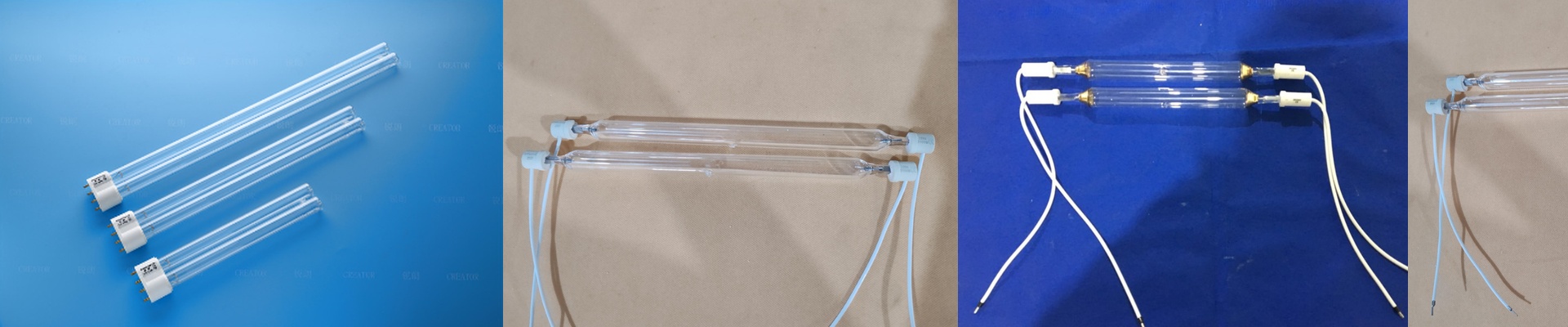
Getting Your PCB Curing Right with Gallium Iodide Lamps
If you’ve ever dealt with photoresist curing, you know the struggle. Use a standard mercury lamp and you’re fighting a losing battle with wavelengths that don’t quite fit. That’s why we build our Gallium Iodide (GaI) lamps. We focus the energy right where it needs to be—between 250nm and 350nm. It means your photoresist hardens fast, but you aren’t accidentally baking the substrate. It’s a much cleaner process.
The nuts and bolts of GaI
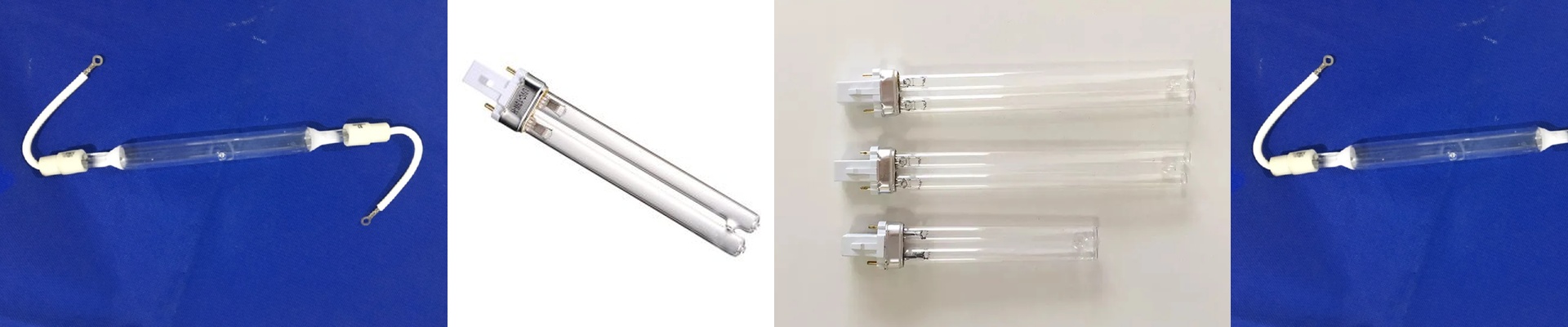
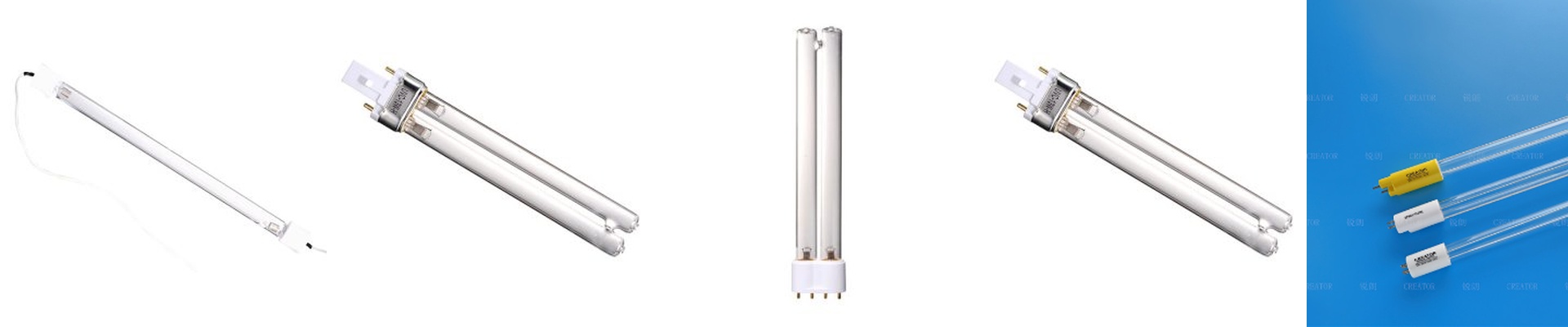
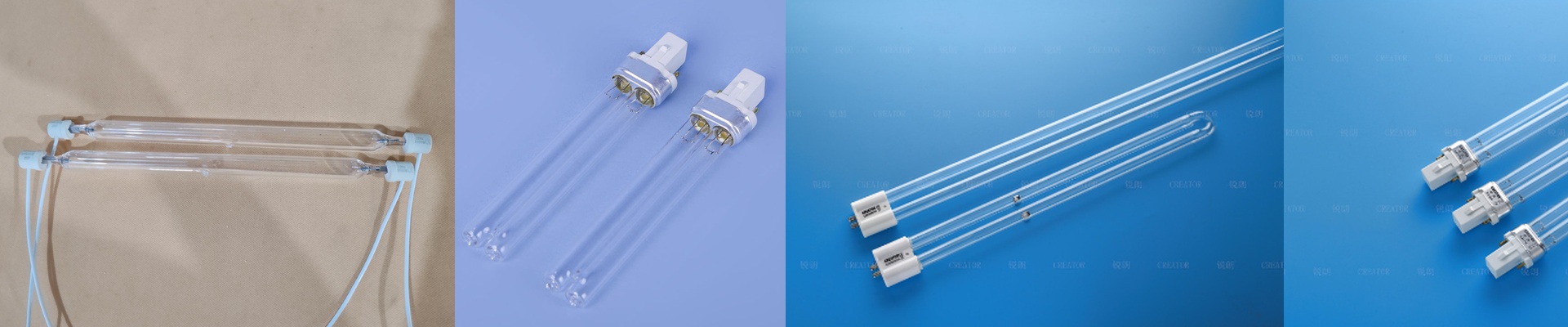
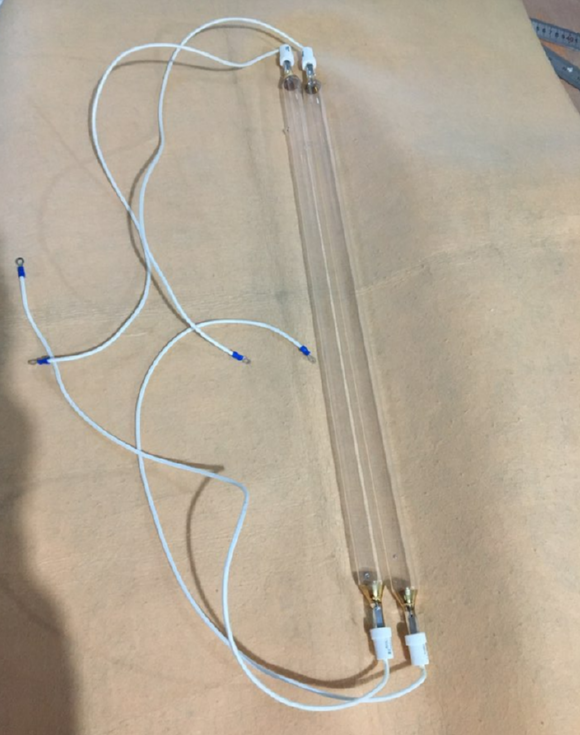
Here’s the thing about these emitters: they’re built to match exactly what modern photoresists are looking for. We design these modules to handle high current densities without breaking a sweat. When you’re picking a module, you want that spectral output to stay rock-solid. You don’t want the light drifting as the lamp gets older. To make sure the UV light actually reaches your board instead of getting trapped in the glass, we use high-purity quartz envelopes. It just works better.
Fitting them in (and keeping them cool)
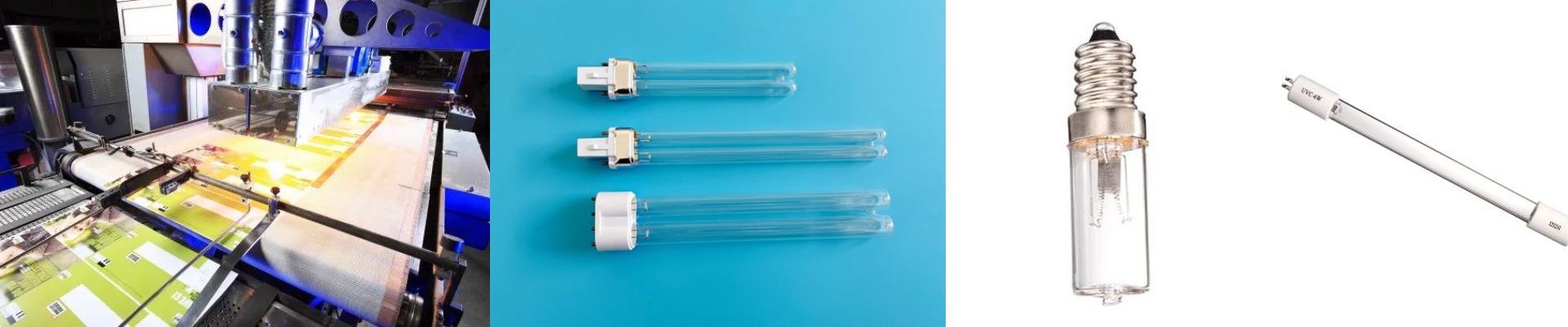
Nobody wants to tear apart their entire production line just to upgrade a lamp. We get that. That’s why we make our modules as simple drop-in replacements. They fit into most existing conveyor systems without a massive headache or a total machine overhaul. But a word of warning: high-intensity UV creates a lot of heat. Like, a lot. If your fans are clogged or your airflow is sluggish, you’re going to burn through your lamps way too fast. Keep an eye on your wattage per inch and make sure your cooling can keep up. Your quartz envelopes will thank you.
Real-world PCB production
In a busy factory, the only thing that actually matters is consistency. One little dip in UV intensity and suddenly you’ve got under-cured resist and a pile of failed etch cycles. It’s frustrating and expensive. We calibrate our modules to throw a uniform field of light across the whole board. No more “cold spots” on the edges. And since the spectral output is so tight, you can speed up your line and get more boards out the door without sacrificing quality.