
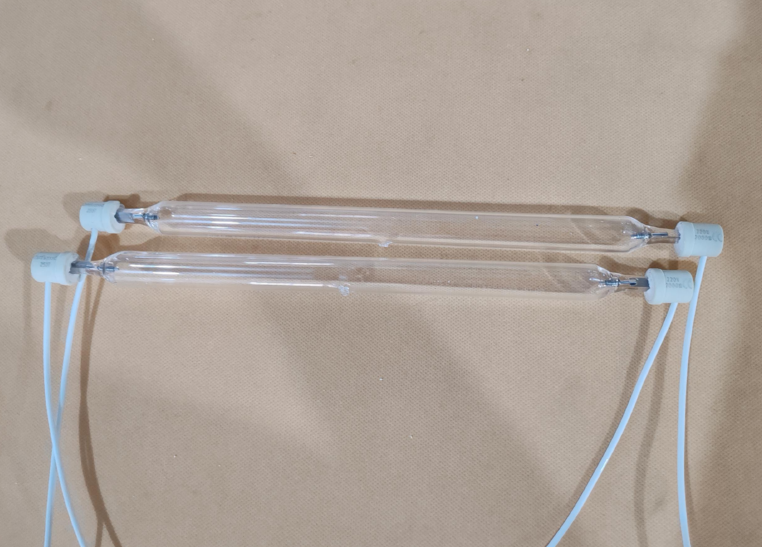
Getting Your PCB Patterning Right with GaI UV Lamps
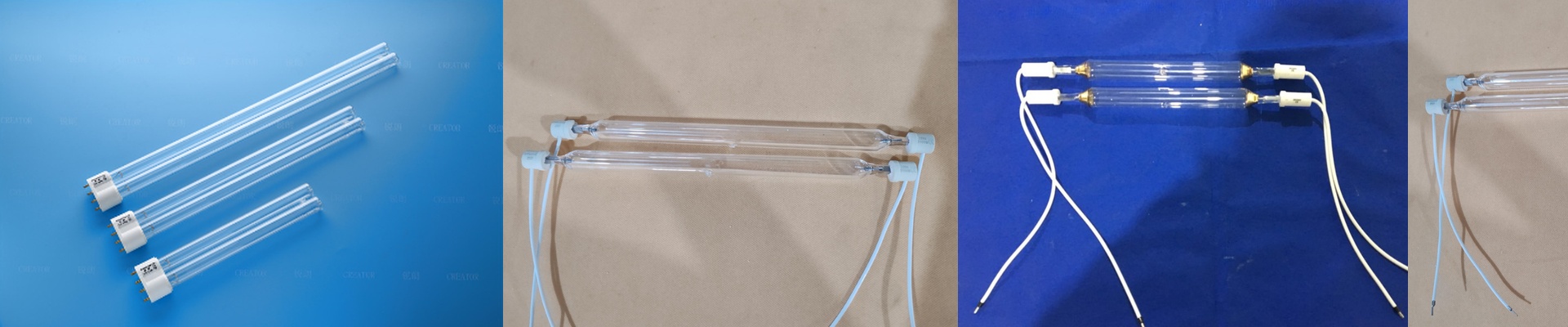
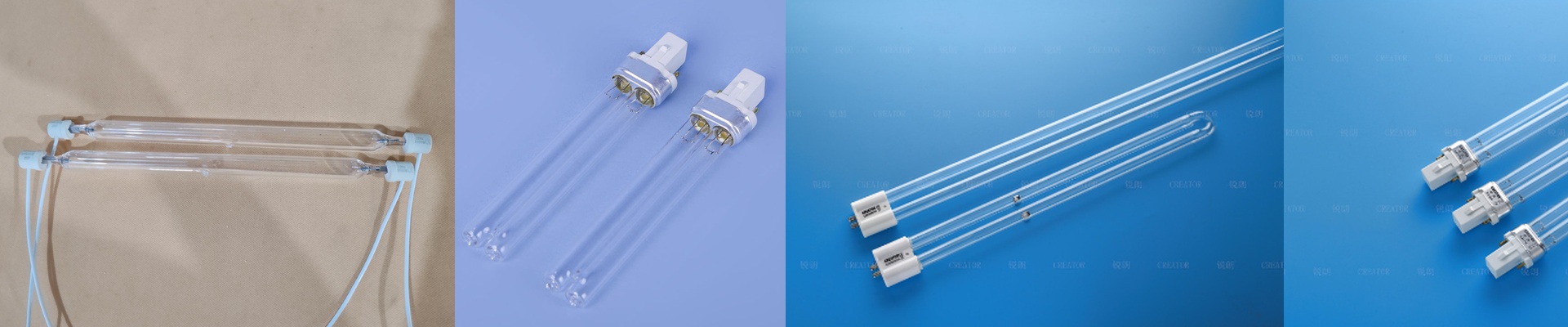
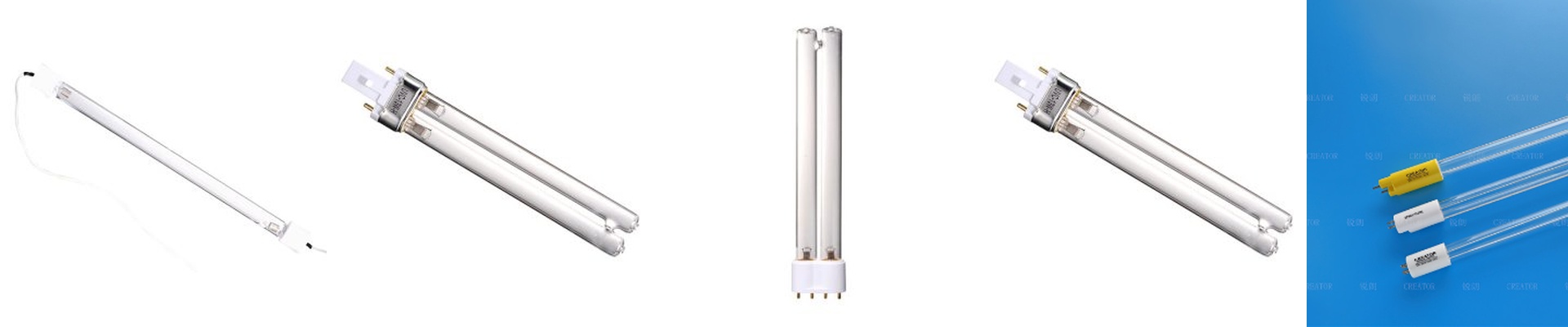
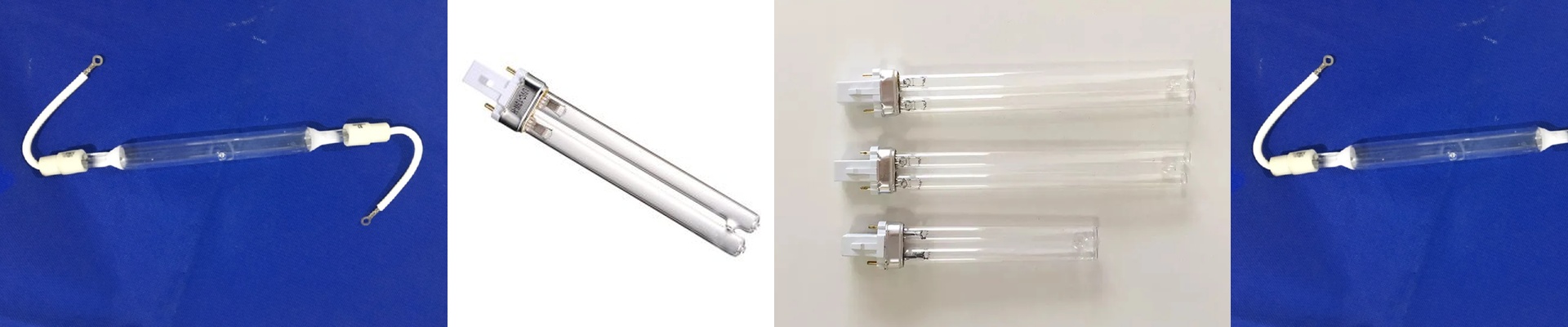
If you’re running a PCB line, you know the drill. You need your photoresist to react exactly where it’s supposed to, and nowhere else. That’s where Gallium Iodide (GaI) lamps come in. These things pump out a very specific, narrow band of UV light—usually peaking right around 254nm. We use this specific wavelength because it plays nice with most dry-film resists. It hits the film and penetrates it cleanly without bouncing around or scattering. Precision and the Power Struggle Here’s the thing about GaI lamps: they’re built for focus. Unlike those old-school mercury lamps that throw a wide range of light, GaI keeps it tight. For you, that meanssharper edges on your traces. You don’t have to worry as much about “under-cutting,” where stray light creeps under your mask and ruins the circuit. But there’s a trade-off. If you want to crank up your conveyor speed, you need more wattage. Just keep an eye on your cooling fans. If the airflow isn’t hitting the mark, the lamp gets too hot. When that happens, the spectral peak shifts, and suddenly your precision is out the window. The Hardware Side of Things We wrap these lamps in high-purity quartz. Why? Because regular glass would just soak up the UV light before it ever hit your board. They’re designed to be drop-in replacements, so they should fit right into your existing arrays without a fight. Just double-check your ballast. If the operating voltage doesn’t match the lamp, you’re looking at a flicker-fest or, worse, burnt-out electrodes. Real Talk: Life on the Shop Floor GaI lamps are a lifesaver for high-density interconnect (HDI) boards, but they can be a bit temperamental. First rule:**Never touch the quartz envelope with your bare hands.**The oils from your skin create these tiny hot spots. Once the lamp heats up, those spots can actually crack the glass. And a heads-up on your equipment—UV-C light is aggressive. It eats through plastic. If your shielding is looking old or has a few cracks, that light will slowly chew through your wiring insulation. Do yourself a favor and check your seals every few months. It takes two minutes and saves you a massive headache later.